Conjugation is an essential aspect of grammar in English. It refers to the variation of a verb form to indicate tense, person, number, mood, or voice. Understanding how to conjugate verbs correctly is crucial for effective communication in English.
English verbs can be conjugated in various ways depending on the tense and subject of the sentence. Learning the rules of verb conjugation can help improve your writing and speaking skills.
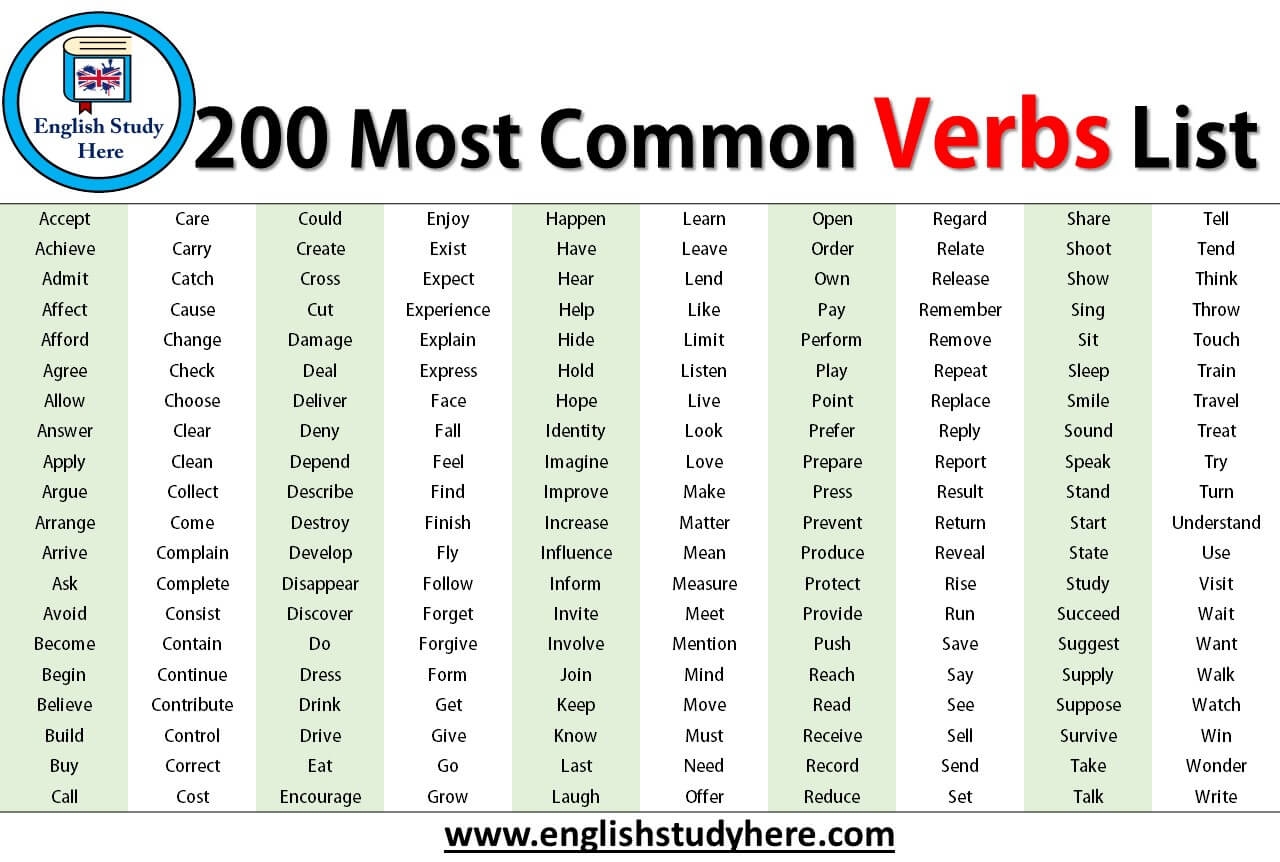
Conjugation of English Verbs
In English, verbs are conjugated according to tense, person, and number. The most common tenses in English are present, past, and future. For example, the verb “to be” is conjugated as follows:
- I am
- You are
- He/she/it is
- We are
- They are
Each pronoun has a specific conjugation for the verb depending on the tense being used. Regular verbs follow a pattern of conjugation, while irregular verbs have unique forms for each tense.
It is important to pay attention to subject-verb agreement when conjugating English verbs. The verb form must match the subject in terms of person and number. For example, “She eats” is correct, while “She eat” is incorrect.
Verb conjugation also involves auxiliary verbs, such as “have,” “do,” and “be.” These verbs are used to form compound tenses and questions. Understanding how to use auxiliary verbs correctly is essential for mastering English verb conjugation.
Practice is key to improving your conjugation skills. By regularly practicing verb conjugation exercises and using verbs in context, you can become more proficient in conjugating English verbs. Remember to pay attention to verb forms and subject-verb agreement in your writing and speaking.
In conclusion, conjugation is an important aspect of English grammar that affects how verbs are used in sentences. By understanding the rules of verb conjugation and practicing regularly, you can improve your communication skills and express yourself more effectively in English.