When learning Spanish, one of the most important verbs to master is “ir,” which means “to go.” This verb is irregular, meaning it doesn’t follow the typical conjugation patterns of regular verbs. However, with practice and memorization, you can easily learn how to conjugate “ir” in different tenses and moods.
Understanding how to properly conjugate “ir” will allow you to express actions of going to different places or events in Spanish. Whether you’re talking about going to the store, a party, or on vacation, knowing how to conjugate “ir” correctly is essential for effective communication.
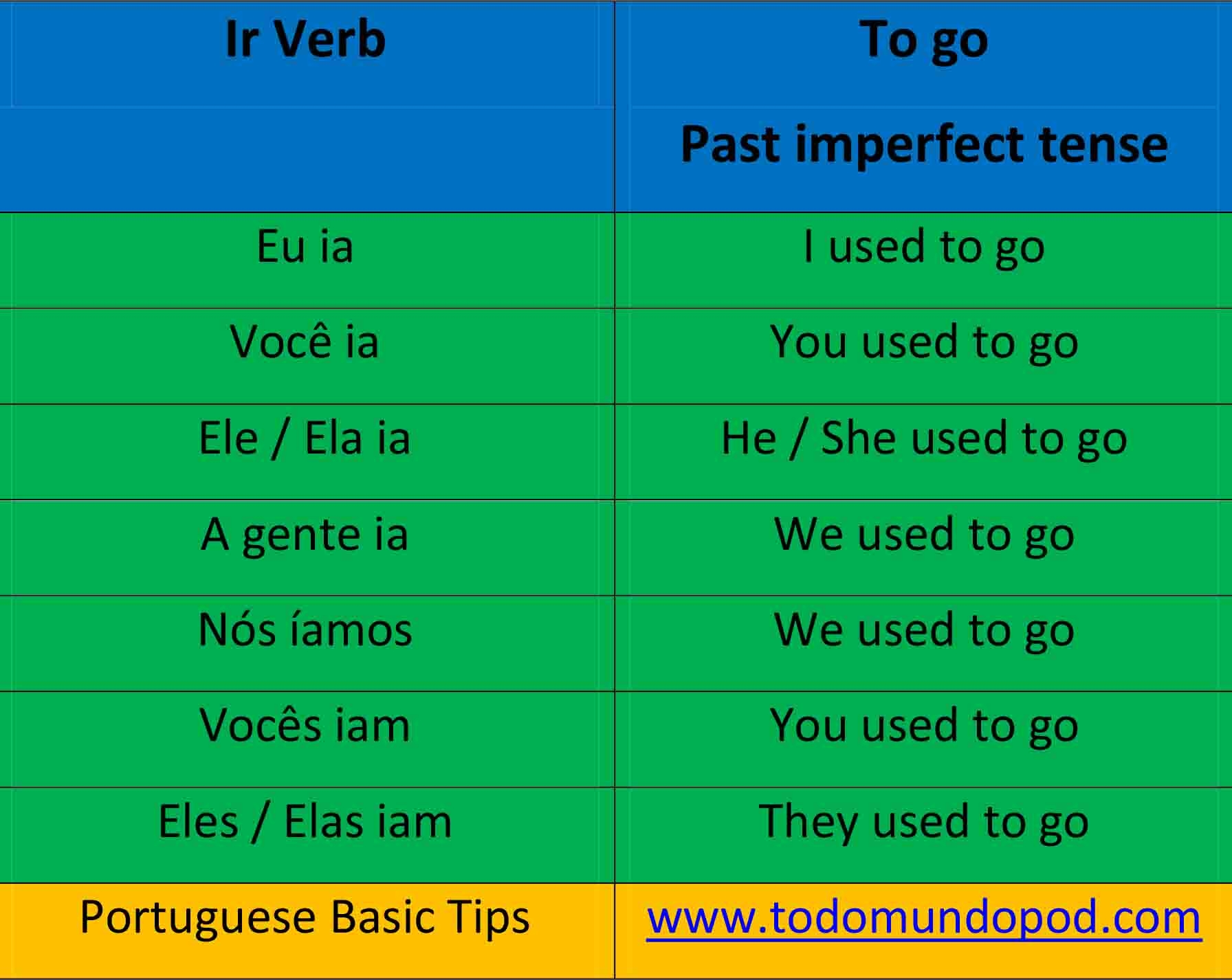
Conjugation of the Verb Ir
In the present tense, “ir” is conjugated as follows:
- Yo voy – I go
- Tú vas – You go
- Él/Ella/Usted va – He/She/You (formal) go
- Nosotros/nosotras vamos – We go
- Vosotros/vosotras vais – You all go
- Ellos/Ellas/Ustedes van – They/You all go
It’s important to note that the conjugation of “ir” is irregular in the present tense, but it follows a similar pattern in other tenses and moods. For example, in the preterite tense, the conjugation of “ir” is:
- Yo fui – I went
- Tú fuiste – You went
- Él/Ella/Usted fue – He/She/You (formal) went
- Nosotros/nosotras fuimos – We went
- Vosotros/vosotras fuisteis – You all went
- Ellos/Ellas/Ustedes fueron – They/You all went
By practicing the conjugation of “ir” in different tenses and moods, you’ll be able to confidently use this essential verb in a variety of situations. Whether you’re talking about past, present, or future actions of going, mastering the conjugation of “ir” will greatly enhance your Spanish language skills.
Overall, the verb “ir” is a crucial element of the Spanish language, and understanding how to properly conjugate it is essential for effective communication. By practicing the conjugation of “ir” in different tenses and moods, you’ll be well-equipped to express actions of going in various contexts. So, keep practicing and soon you’ll be a master of conjugating “ir” in Spanish!