The human eye is a fascinating organ that allows us to see the world around us in vivid detail. One of the most intriguing parts of the eye is the conjunctiva, a thin, transparent membrane that covers the white part of the eye and lines the inside of the eyelids. This delicate tissue plays a crucial role in protecting the eye from foreign particles and keeping it moist.
The conjunctiva is a thin, mucous membrane that covers the front surface of the eye and lines the inside of the eyelids. It consists of two parts: the bulbar conjunctiva, which covers the white part of the eye (sclera), and the palpebral conjunctiva, which lines the inside of the eyelids. This thin, transparent tissue helps to lubricate the eye, protect it from dust and other foreign particles, and provide a smooth surface for the eyelids to move over.
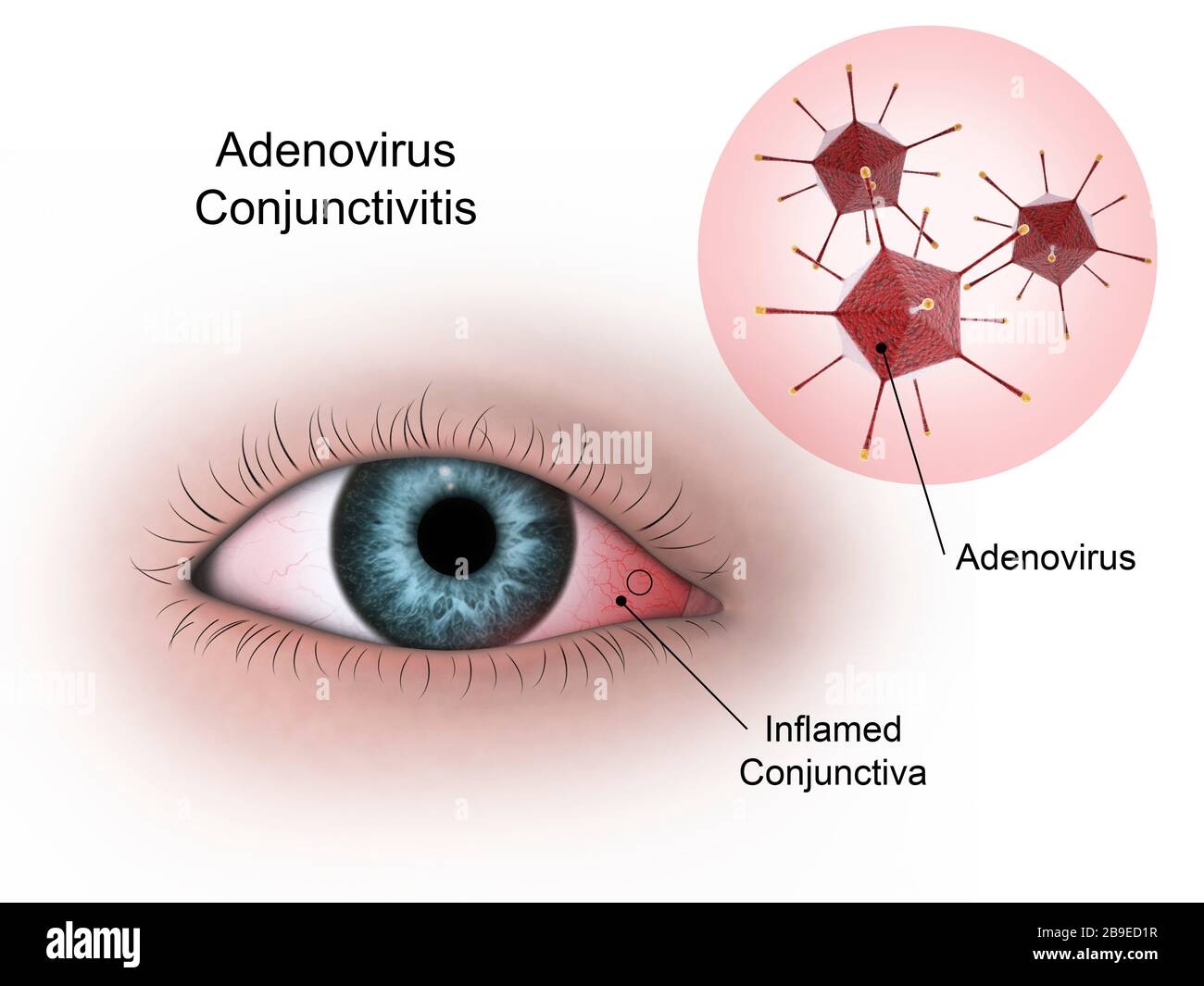
When the conjunctiva becomes inflamed or infected, a condition known as conjunctivitis, or pink eye, can occur. This common eye ailment can be caused by a viral or bacterial infection, allergies, or irritants such as smoke or chemicals. Symptoms of conjunctivitis include redness, itching, tearing, and discharge. Treatment typically involves antibiotic eye drops or ointment, antihistamines, or cold compresses.
While conjunctivitis is a common and usually mild condition, it is important to seek medical attention if symptoms persist or worsen. In some cases, conjunctivitis can be a sign of a more serious eye infection or underlying health issue. Proper diagnosis and treatment by an eye care professional are essential to prevent complications and ensure healthy vision.
In conclusion, the conjunctive eye is a remarkable part of the human eye that plays a vital role in protecting and maintaining our vision. By understanding the function and importance of the conjunctiva, we can better appreciate the complex and fascinating nature of our eyes. It is essential to take care of our eyes and seek prompt medical attention for any eye-related concerns to ensure optimal eye health and vision.