Conjunctive eye infection, also known as conjunctivitis, is a common condition that affects the outermost layer of the eye. It can be caused by a variety of factors, including bacteria, viruses, allergies, or irritants. Symptoms of conjunctivitis may include redness, itching, burning, and discharge from the eye.
It is important to seek medical attention if you suspect you have conjunctivitis, as some forms of the infection can be highly contagious and may require treatment with prescription medications. Your eye doctor will be able to determine the cause of your conjunctivitis and recommend the appropriate course of action to help alleviate your symptoms.
There are several types of conjunctivitis, including viral, bacterial, and allergic. Viral conjunctivitis is typically caused by a common cold virus and can spread easily from person to person. Bacterial conjunctivitis is caused by bacteria and may require antibiotic eye drops to clear up the infection. Allergic conjunctivitis is triggered by allergens such as pollen or pet dander and can be treated with antihistamine eye drops.
To prevent the spread of conjunctivitis, it is important to practice good hygiene, such as washing your hands frequently, avoiding touching your eyes, and not sharing towels or eye makeup with others. If you wear contact lenses, it is also important to follow proper cleaning and storage guidelines to prevent infection.
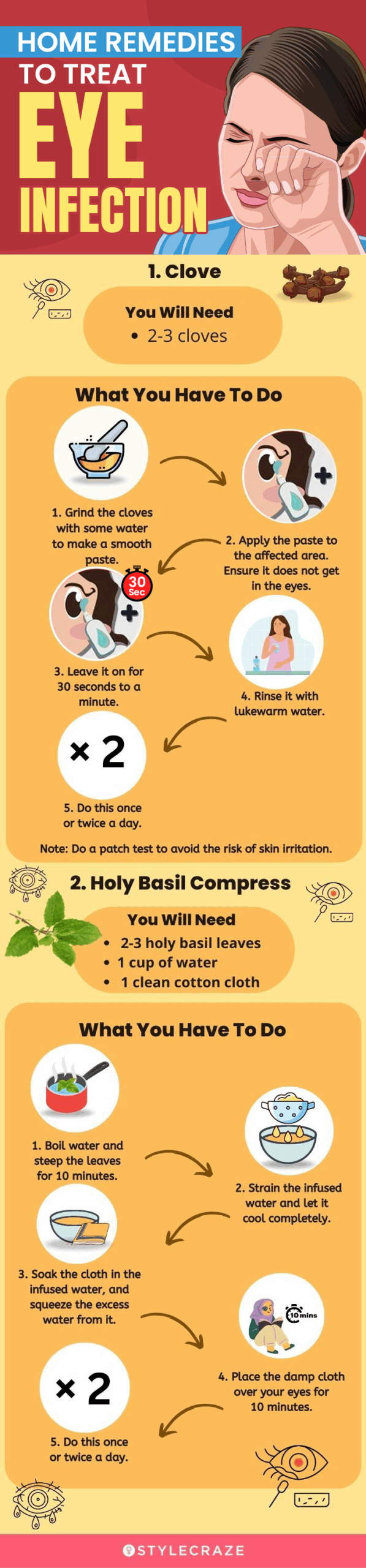
In most cases, conjunctivitis will clear up on its own within a week or two. However, if your symptoms are severe or do not improve with home remedies, it is best to consult with your eye doctor for further evaluation and treatment. By taking proper precautions and seeking medical attention when necessary, you can help protect your eyes and prevent the spread of conjunctivitis.
Overall, conjunctive eye infection, or conjunctivitis, can be a bothersome condition that may require medical attention. By understanding the causes and symptoms of conjunctivitis, you can take steps to prevent infection and seek timely treatment if needed. Remember to practice good hygiene and follow your eye doctor’s recommendations to help keep your eyes healthy and free from infection.