Conjunctivitis, also known as pink eye, is a common eye condition that causes inflammation and redness in the conjunctiva – the thin, clear tissue that covers the white part of the eye. It can be caused by viruses, bacteria, allergens, or irritants, and can be highly contagious. Symptoms of conjunctivitis include redness, itching, burning, and a gritty sensation in the eyes.
There are different types of conjunctivitis, including viral, bacterial, and allergic conjunctivitis. While viral and bacterial conjunctivitis may require medical treatment, allergic conjunctivitis can often be managed with over-the-counter antihistamine eye drops or oral medications. However, it is important to consult with a healthcare provider for an accurate diagnosis and appropriate treatment plan.
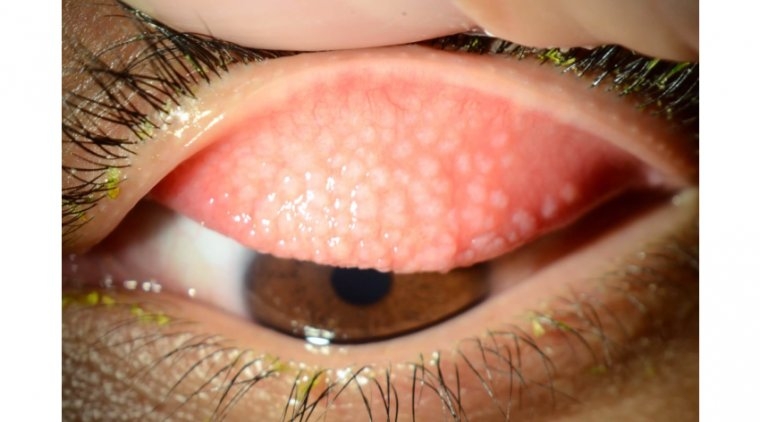
Conjunctivitis Treatment
For viral conjunctivitis, which is typically caused by a common cold virus, treatment may include applying warm compresses to the eyes and using artificial tears to relieve discomfort. Antibiotic eye drops or ointments are often prescribed for bacterial conjunctivitis to help clear the infection. It is important to complete the full course of antibiotics as prescribed by a healthcare provider to prevent recurrence.
In addition to medication, practicing good eye hygiene is essential in managing and preventing the spread of conjunctivitis. This includes washing hands frequently, avoiding touching the eyes, and not sharing personal items such as towels or makeup. Contact lens wearers should also follow proper hygiene practices and may need to temporarily discontinue wearing lenses until the infection clears.
If the conjunctivitis is caused by allergens, such as pollen or pet dander, avoiding triggers and using allergy medications can help alleviate symptoms. Cold compresses and over-the-counter antihistamine eye drops can also provide relief from itching and redness. In severe cases, a healthcare provider may recommend prescription-strength medications or allergy shots to manage symptoms effectively.
While most cases of conjunctivitis resolve on their own within a week or two, severe or recurrent infections may require further evaluation and treatment by an eye specialist. It is important to seek medical attention if symptoms worsen or do not improve with home remedies. By following a treatment plan tailored to the specific type of conjunctivitis, individuals can effectively manage the condition and prevent complications.
In conclusion, conjunctivitis is a common eye condition that can be caused by viruses, bacteria, allergens, or irritants. Treatment options vary depending on the underlying cause, and may include medication, warm compresses, and good eye hygiene practices. Consulting with a healthcare provider for an accurate diagnosis and appropriate treatment plan is essential in managing conjunctivitis effectively.