In the English language, passive voice is often used to emphasize the object of a sentence rather than the subject. This can be a useful tool in certain situations, such as when the subject is unknown or when the focus should be on the action itself. While active voice is generally preferred for its clarity and directness, passive voice has its own benefits and should not be overlooked.
1. Mistakes were made by the team during the project.
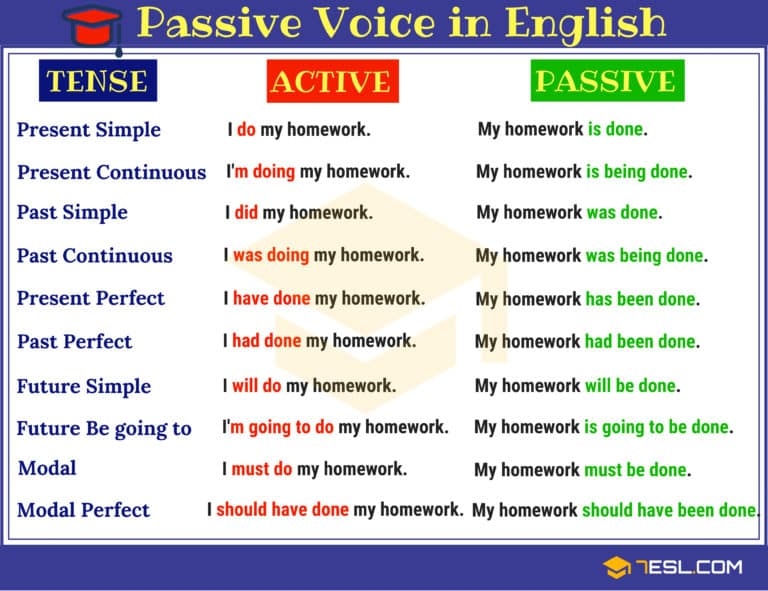
2. The report will be submitted by the end of the week.
3. The building was constructed in record time.
4. The new product has been well received by customers.
5. The decision was made by the committee unanimously.
6. The book was written by a renowned author.
7. The problem was solved by our IT department.
8. The contract has been signed by both parties.
9. The results were announced earlier today.
10. The concert will be held at the new venue.
Using passive voice can also help create a sense of formality and objectivity in writing. It allows the focus to be placed on the action or the object of the sentence rather than the doer. Passive voice is often used in scientific or technical writing to convey information in a clear and concise manner. Additionally, passive voice can be used to avoid assigning blame or responsibility, making it a useful tool in delicate situations.
While passive voice has its benefits, it is important to use it judiciously and not overuse it. Over-reliance on passive voice can lead to ambiguity and awkward phrasing. It is essential to strike a balance between active and passive voice in order to maintain clarity and coherence in writing.
In conclusion, passive voice can be a valuable tool in certain contexts, allowing writers to emphasize the object of a sentence and convey information in a clear and objective manner. By understanding the benefits of passive voice and using it effectively, writers can enhance the quality and impact of their writing.