Verbs are an essential part of language and communication. They are the action words that help us express what is happening in a sentence. Without verbs, sentences would lack direction and clarity. It is crucial to have a good understanding of verbs to effectively convey our thoughts and ideas.
Verbs are dynamic and versatile, allowing us to describe actions, sensations, and states of being. They are the engine that drives a sentence forward, indicating what the subject is doing or experiencing. From running and jumping to thinking and feeling, verbs encompass a wide range of activities and experiences.
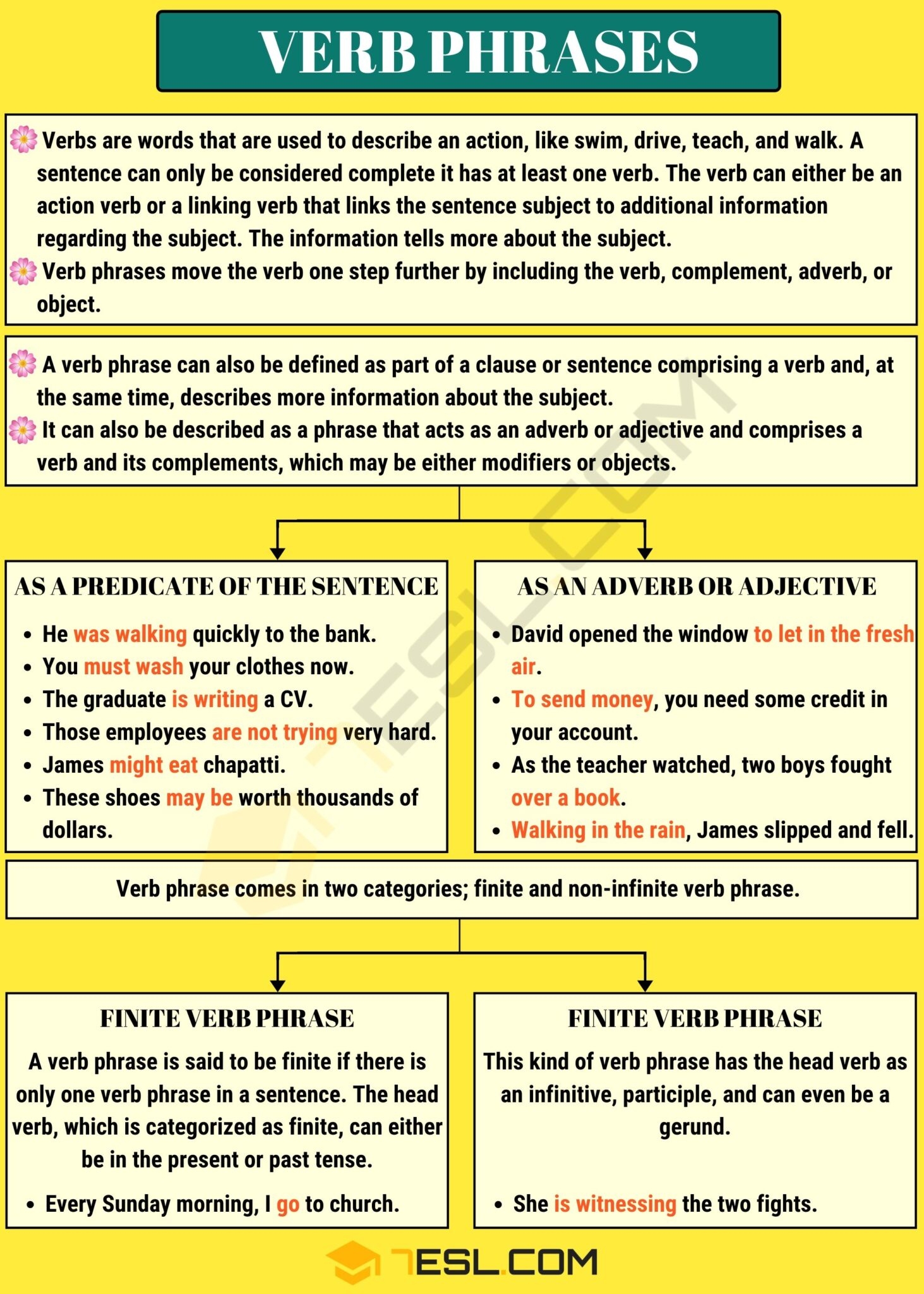
Definition of Verb
A verb is a word that expresses an action, occurrence, or state of being. It is one of the main parts of speech in English grammar and is essential for constructing meaningful sentences. Verbs can be conjugated to indicate tense, mood, voice, and aspect, providing additional context to the action being described.
Verbs can be categorized into different types, such as transitive and intransitive verbs. Transitive verbs require a direct object to complete their meaning, while intransitive verbs do not. Additionally, verbs can be regular or irregular in their conjugation, further adding complexity to their usage.
Understanding verbs is essential for effective communication in both written and spoken language. By choosing the right verbs and conjugating them correctly, we can convey our thoughts and emotions with precision and clarity. Verbs help us paint a vivid picture of events and experiences, allowing others to connect with our words on a deeper level.
In conclusion, verbs play a crucial role in language and communication. They are the building blocks of sentences, providing the action and meaning necessary for effective expression. By mastering the use of verbs, we can enhance our writing and speaking skills, ensuring that our messages are clear and impactful.