The present perfect simple tense is used to describe actions that have been completed at some point in the past but have relevance to the present moment. It is formed by using the auxiliary verb ‘have’ or ‘has’ followed by the past participle of the main verb. This tense is commonly used in English grammar and has various examples to illustrate its usage.
Understanding how to use the present perfect simple tense can help you communicate effectively in English and convey the right message. By learning some examples of this tense, you can improve your language skills and express yourself more clearly.
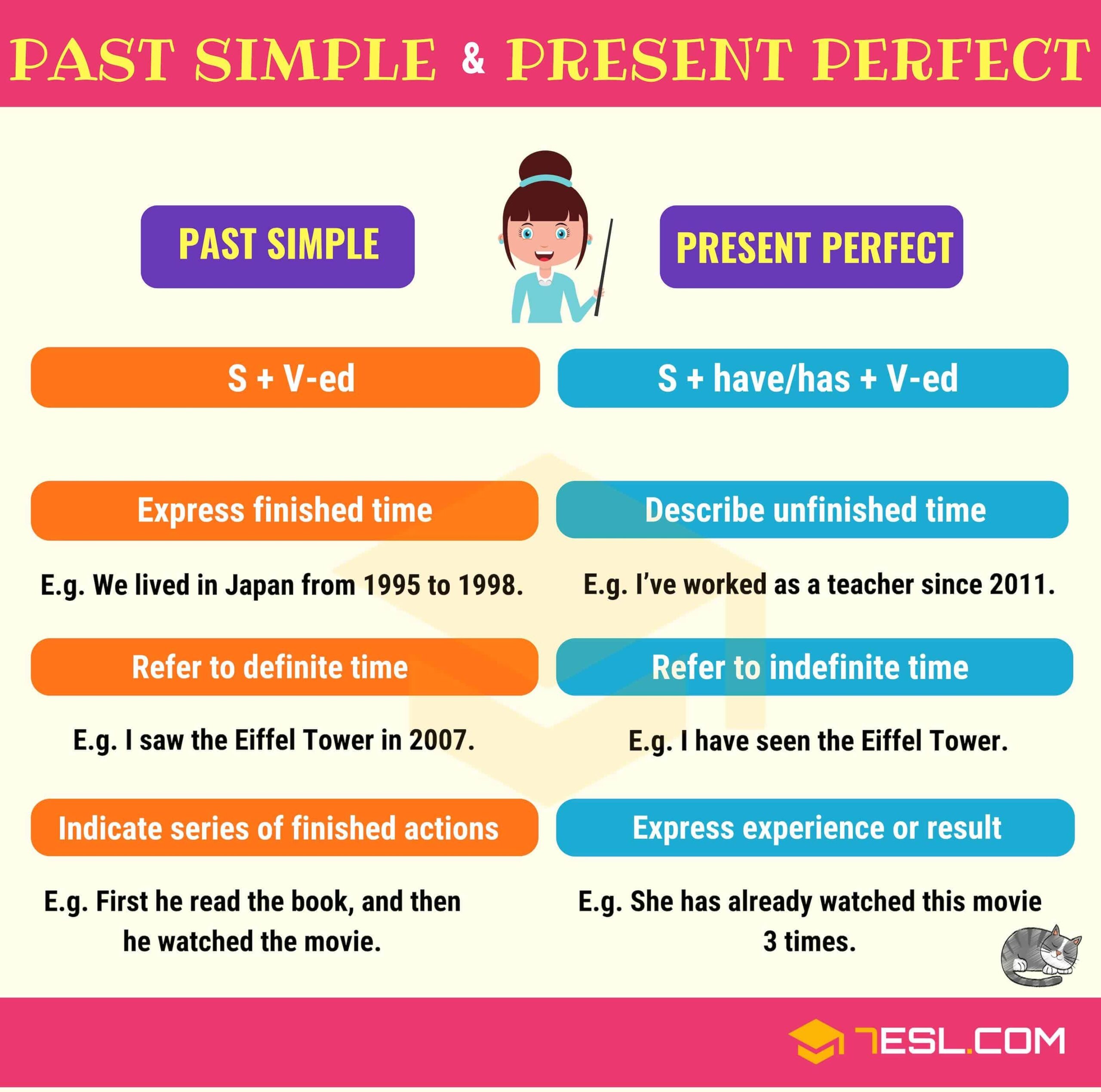
Examples of Present Perfect Simple
1. I have finished my homework. (action completed in the past with relevance to the present)
2. She has visited Paris twice. (action repeated or experienced at some point in the past)
3. They have lived in London for five years. (action started in the past and continues to the present)
4. We have never seen that movie before. (action that has not occurred up to now)
5. He has just eaten lunch. (action completed recently)
Using the present perfect simple tense in these examples helps to convey the specific timing or duration of the actions mentioned. It allows for a clear and precise expression of events that have occurred in the past but have relevance to the present moment.
By practicing the use of the present perfect simple tense with different examples, you can become more familiar with its structure and usage. This will enable you to communicate effectively in English and express yourself accurately in various situations.
In conclusion, the present perfect simple tense is a valuable tool in English grammar for describing completed actions with relevance to the present. By studying and applying examples of this tense, you can improve your language skills and enhance your communication abilities. Keep practicing and using the present perfect simple tense to become more proficient in expressing yourself in English.