English verb tense is an important aspect of the language that helps indicate the time at which an action takes place. It is essential for effective communication and conveying the right message in conversations, writing, and other forms of communication. By understanding verb tense, you can express yourself more clearly and accurately in English.
There are various verb tenses in English, each serving a specific purpose and indicating a particular time frame. It is crucial to grasp the differences between these tenses to use them correctly in sentences. Whether you are talking about the past, present, or future, selecting the right verb tense is key to conveying your intended meaning.
English Verb Tense
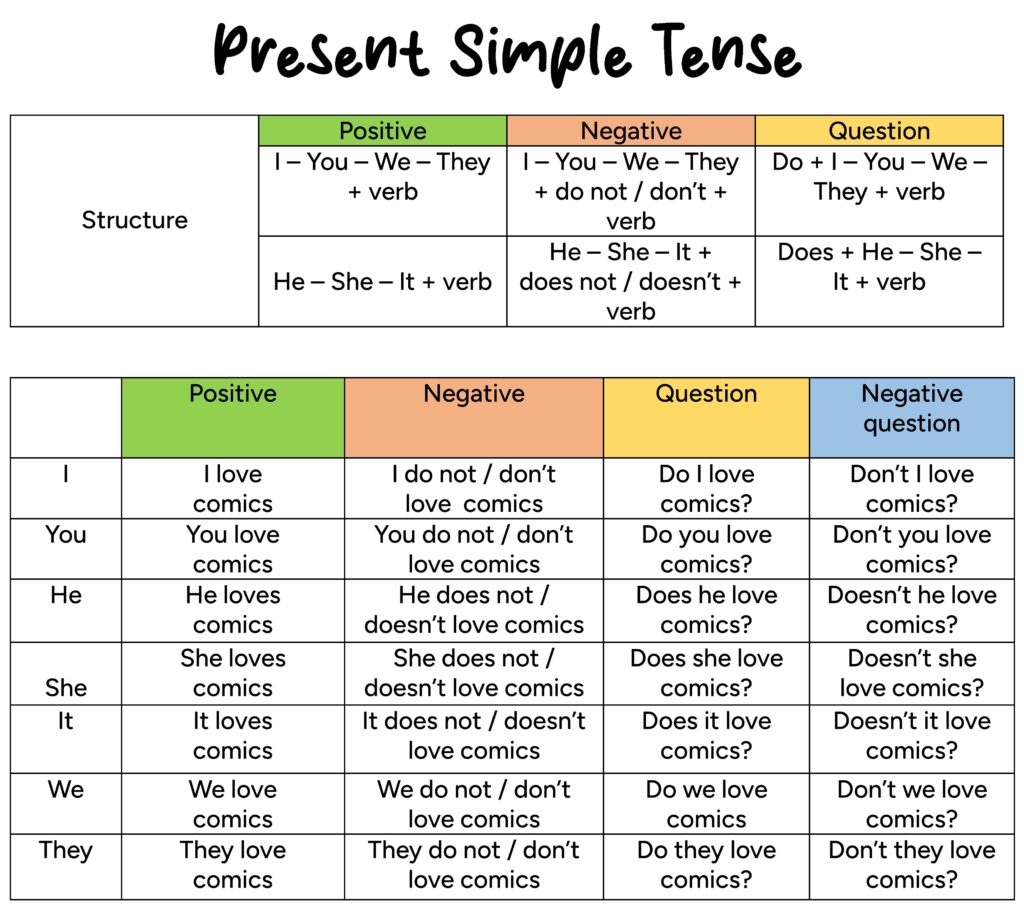
Present tense is used to describe actions that are currently happening or are recurring habits. For example, “I eat breakfast every morning” indicates a routine action in the present. Past tense is used to talk about actions that have already occurred. For instance, “She visited her grandmother yesterday” describes an action that happened in the past. Future tense is used to discuss actions that will take place in the future, such as “I will attend the meeting tomorrow.”
In addition to the three main tenses, English also has perfect tenses, which indicate completed actions or actions that have a connection to a specific point in time. For example, the present perfect tense is used to talk about actions that started in the past and continue into the present, like “I have lived in this city for five years.” The past perfect tense is used to describe actions that were completed before another past action, as in “She had already finished her homework when her friend called.”
Continuous tenses, also known as progressive tenses, are used to indicate actions that are ongoing or in progress. The present continuous tense is used for actions happening at the moment or around the current time, such as “He is reading a book right now.” The past continuous tense is used to describe actions that were in progress at a specific time in the past, like “They were playing football when it started to rain.”
By mastering English verb tense, you can enhance your language skills and effectively communicate your thoughts and ideas. Practice using different tenses in sentences and pay attention to the time frame and context in which they are used. With time and practice, you will become more comfortable with English verb tenses and improve your overall proficiency in the language.
Overall, understanding English verb tense is essential for clear and accurate communication. By familiarizing yourself with the various tenses and their usage, you can express yourself more effectively in English and convey your intended message with precision.