In the English language, prepositions are words that typically come before a noun or pronoun and show the relationship between the noun or pronoun and other words in a sentence. Prepositions are essential for providing context and clarity in a sentence. They can indicate location, time, direction, possession, and more.
One common example of a preposition is “in.” This small word can have a significant impact on the meaning of a sentence. Let’s explore how “in” is used in various contexts.
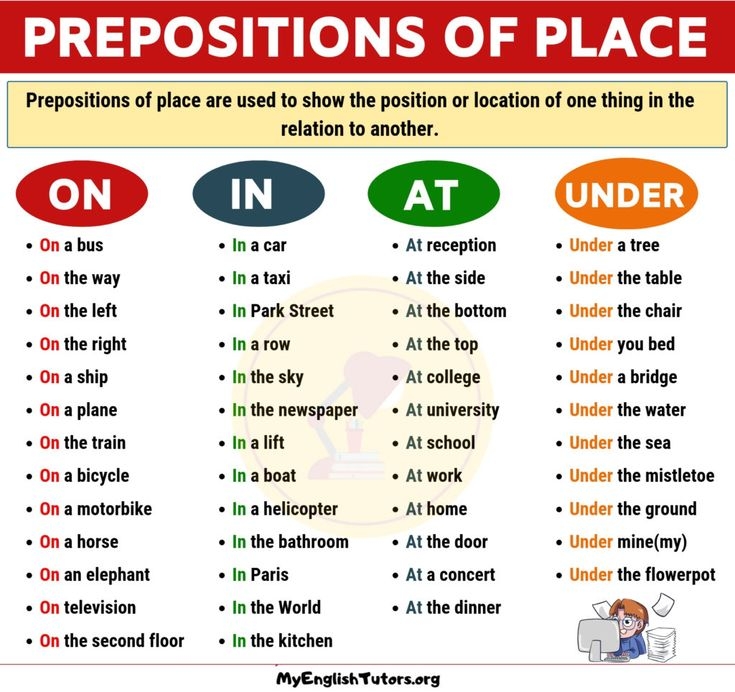
Example: “In”
1. Location: “The book is in the library.” In this sentence, “in” shows the location of the book, indicating that it is inside the library.
2. Time: “She will arrive in ten minutes.” Here, “in” denotes the amount of time it will take for her to arrive.
3. Inclusion: “There is sugar in the coffee.” In this example, “in” indicates that sugar is a component of the coffee.
4. Belonging: “That painting is in the family.” The preposition “in” here suggests that the painting belongs to the family.
5. Direction: “Walk in a straight line.” In this sentence, “in” gives direction to the action of walking.
Prepositions like “in” play a crucial role in forming complete and coherent sentences. By understanding how prepositions function, you can enhance your language skills and communicate more effectively. Practice using prepositions in different contexts to improve your grasp of grammar and sentence structure.