Prepositions are words that show the relationship between a noun or pronoun and other words in a sentence. They are essential in providing context and meaning to a sentence. Without prepositions, it would be challenging to understand the spatial or temporal relationships between different elements in a sentence.
Prepositions are used to indicate location, direction, time, and relationships. They can also be used to show possession or introduce an object. Understanding how prepositions work is crucial for mastering the English language.
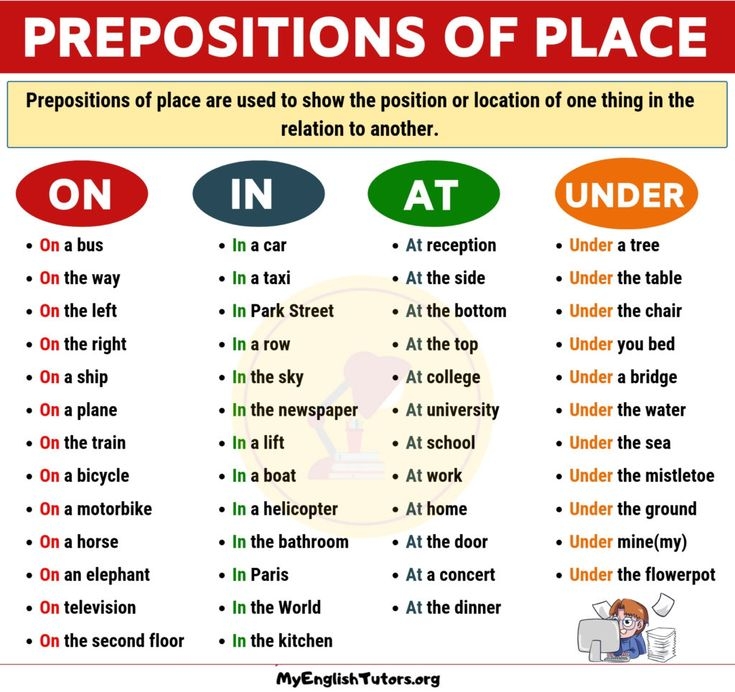
Examples of Prepositions
Here are some examples of commonly used prepositions:
- in
- on
- at
- from
- to
These prepositions are just a few examples of the many prepositions that exist in the English language. Each preposition serves a specific purpose in providing clarity and structure to a sentence.
Prepositions can also be used in phrasal verbs, which are a combination of a verb and a preposition that together have a different meaning than the individual words. For example, “put up with” means to tolerate, while “look forward to” means to anticipate with pleasure.
It is important to pay attention to prepositions when learning English, as using the wrong preposition can completely change the meaning of a sentence. Practice using prepositions in context to improve your language skills and fluency.
By understanding and mastering prepositions, you can enhance your writing and communication skills. Prepositions play a crucial role in creating clear and concise sentences that effectively convey your message to others.
Next time you write a sentence, pay attention to the prepositions you use and how they impact the overall meaning of the sentence. With practice and attention to detail, you can become more proficient in using prepositions correctly in your writing.