Gender pronouns are an important aspect of language that reflect an individual’s gender identity. It is essential to use the correct pronouns to show respect and acknowledgment of a person’s identity. In recent years, there has been a growing awareness and acceptance of a variety of gender pronouns beyond the traditional binary options of he/him and she/her.
It is crucial to be mindful and respectful of people’s chosen pronouns and to use them correctly in everyday interactions. By doing so, we create a more inclusive and welcoming environment for individuals of all gender identities.
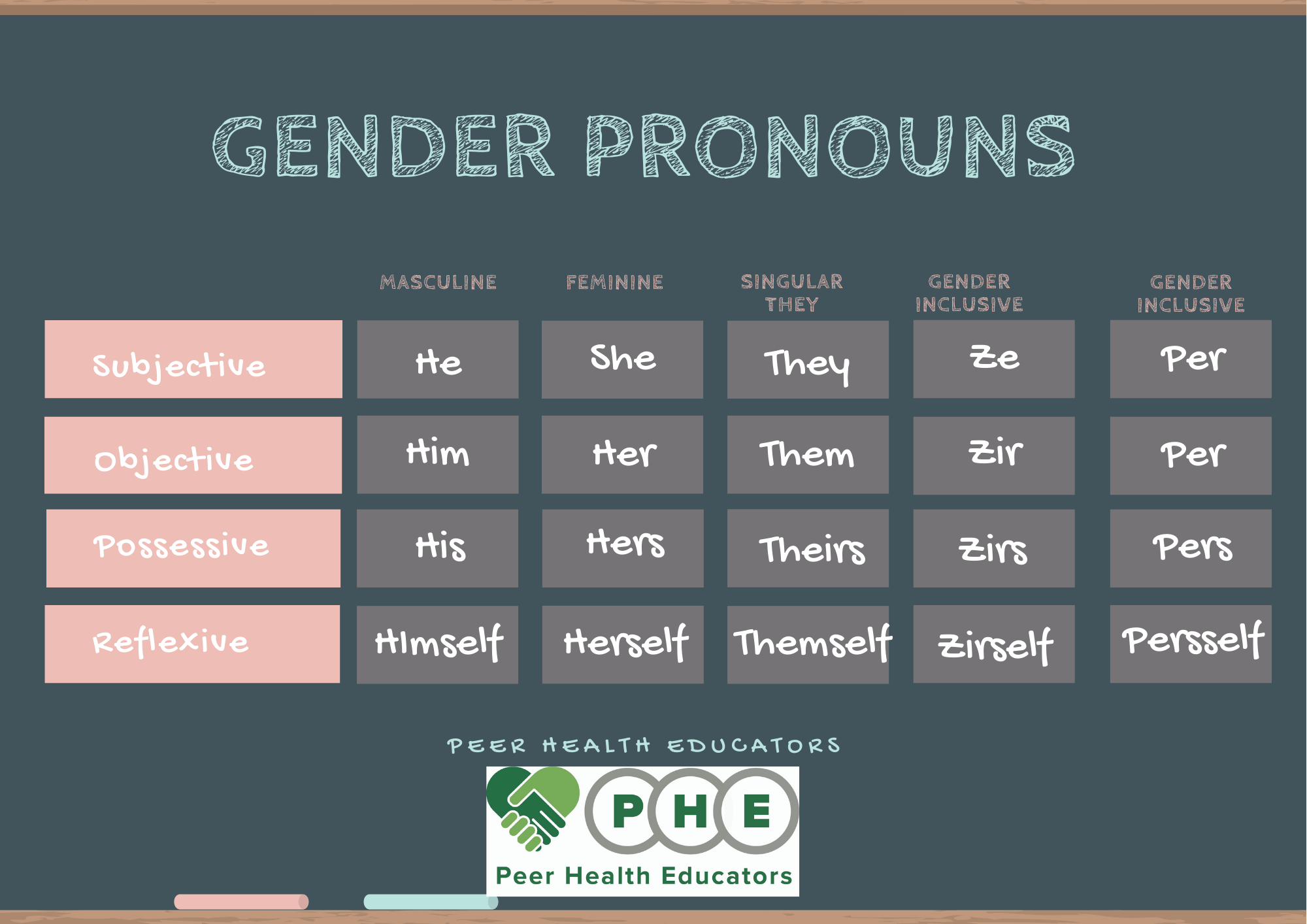
Gender Pronoun List
Here is a list of commonly used gender pronouns:
- He/him/his
- She/her/hers
- They/them/theirs
- Ze/hir/hirs
- Per/pers/perself
These are just a few examples of the wide range of gender pronouns that individuals may use to identify themselves. It is important to ask people for their preferred pronouns and to use them consistently in conversation.
Using the correct pronouns is a simple yet powerful way to show respect for someone’s gender identity and to create a more inclusive and affirming environment. By educating ourselves and others about gender pronouns, we can contribute to a more accepting and understanding society.
Remember that it is okay to make mistakes when learning about gender pronouns, but it is essential to apologize, correct yourself, and make an effort to use the correct pronouns going forward. By showing empathy and willingness to learn, we can foster a more inclusive and supportive community for individuals of all gender identities.
In conclusion, gender pronouns play a significant role in affirming and respecting an individual’s gender identity. By using the correct pronouns and advocating for their importance, we can create a more inclusive and welcoming society for people of all gender identities. Let’s continue to educate ourselves and others about gender pronouns and strive to create a world where everyone feels seen, accepted, and respected for who they are.