Gender pronouns refer to the words that people use to identify themselves or others in terms of gender. It is important to respect and use the correct pronouns when addressing someone, as it shows respect for their identity and helps create a more inclusive environment. In recent years, there has been a growing recognition of non-binary and gender non-conforming individuals, leading to a wider range of pronouns being used.
It can be confusing to navigate the different gender pronouns that people may use, but it is essential to make an effort to understand and respect them. By familiarizing ourselves with various pronouns and being open to learning, we can create a more inclusive and welcoming space for individuals of all gender identities.
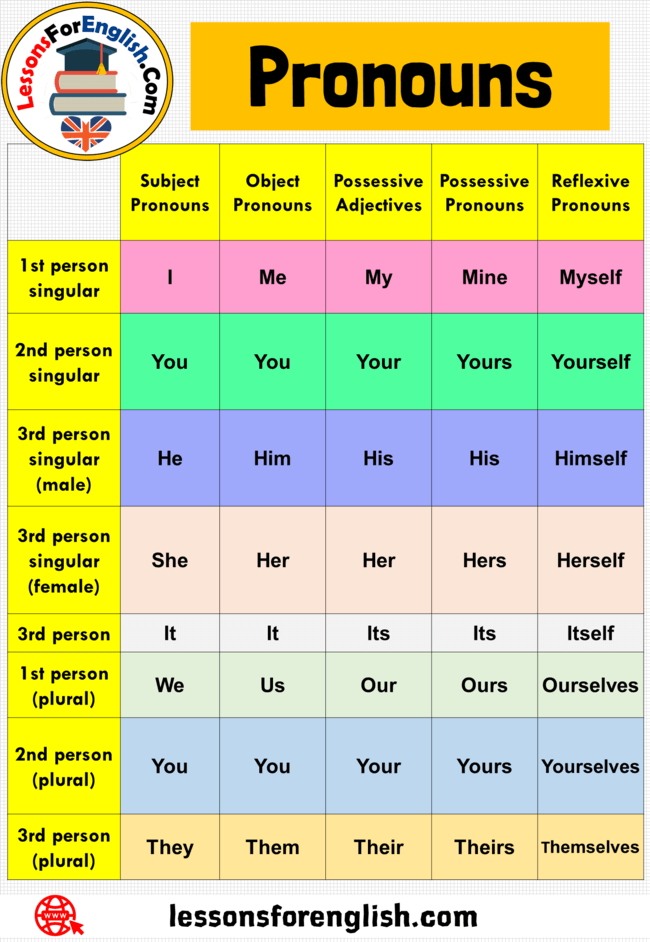
Gender Pronouns Chart
Here is a gender pronouns chart that includes some common pronouns used by individuals:
| Pronoun | Example |
|---|---|
| He/Him/His | He is going to the store. |
| She/Her/Hers | She is reading a book. |
| They/Them/Theirs | They are going to the park. |
| Ze/Zir/Zirs | Ze is cooking dinner. |
| Per/Pers/Perself | Per is studying for exams. |
It is important to note that individuals may use pronouns that are not listed in this chart, and it is crucial to ask and respect their preferences. By using the correct pronouns, we can show respect for individuals’ gender identities and create a more inclusive environment.
Additionally, it is essential to avoid making assumptions about someone’s gender identity based on their appearance or the pronouns they use. Respecting individuals’ pronouns and identities is a crucial part of creating a supportive and affirming community for all.
In conclusion, understanding and using the correct gender pronouns is an important aspect of creating an inclusive and welcoming environment for all individuals. By familiarizing ourselves with various pronouns and respecting individuals’ preferences, we can show support for diverse gender identities and foster a sense of belonging for everyone.