In the English language, pronouns play a crucial role in communication, as they help refer to individuals without repeatedly using their names. One common set of pronouns used are he/him/his and she/her/hers, which are used to refer to male and female individuals respectively. Understanding how to use these pronouns correctly is essential for effective communication.
He/him/his and she/her/hers are personal pronouns that refer to specific genders. When referring to a male individual, you would use “he” for the subject, “him” for the object, and “his” for possessive. On the other hand, when referring to a female individual, you would use “she” for the subject, “her” for the object, and “hers” for possessive.
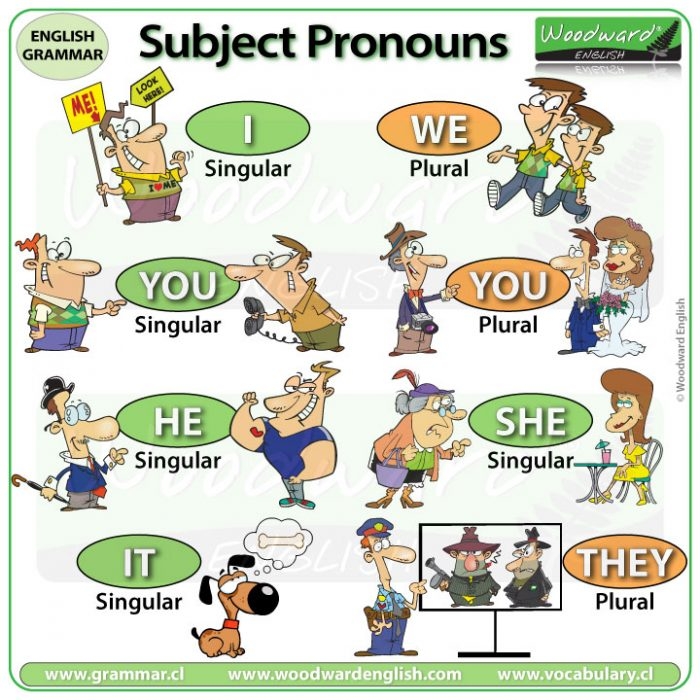
It is important to respect individuals’ pronouns and use them correctly in conversation and writing. Using the wrong pronouns can be disrespectful and hurtful to those whose identities do not align with traditional gender norms. By using he/him/his and she/her/hers appropriately, you show respect for individuals’ gender identities and create a more inclusive environment.
When unsure of someone’s preferred pronouns, it is always best to ask rather than assume. Asking for and using individuals’ correct pronouns shows that you value and respect their identity. Additionally, using inclusive language and pronouns helps create a welcoming and accepting space for all individuals, regardless of their gender identity.
As society becomes more aware of gender diversity and inclusivity, it is essential to educate ourselves on the proper use of pronouns. By respecting and using he/him/his and she/her/hers pronouns correctly, we contribute to a more inclusive and understanding society where all individuals feel accepted and respected for who they are.
In conclusion, he/she pronouns play a crucial role in communication and respecting individuals’ gender identities. By using these pronouns correctly and asking for preferred pronouns when unsure, we create a more inclusive and welcoming environment for all. It is important to educate ourselves on the proper use of pronouns to show respect and acceptance towards individuals of all gender identities.