Assessing vocabulary is an essential part of language learning and development. Vocabulary plays a crucial role in communication and comprehension, so it is important to regularly assess and monitor a person’s vocabulary growth. By assessing vocabulary, educators can identify strengths and weaknesses, track progress, and tailor instruction to meet individual needs.
Effective vocabulary assessment not only measures a student’s knowledge of words but also their ability to use them in context. It provides valuable insights into a person’s language skills and helps educators make informed decisions about instruction and intervention.
Vocabulary Assessment
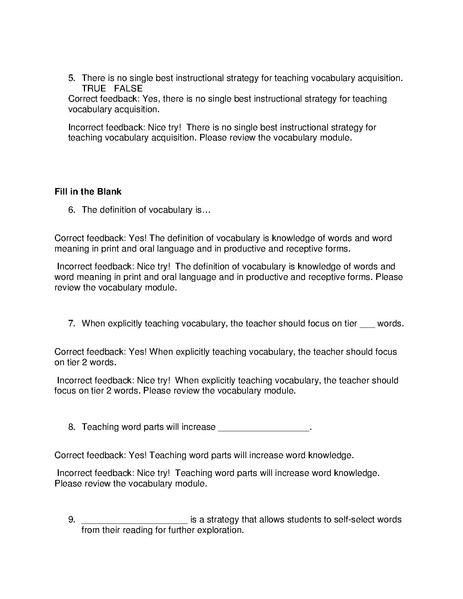
There are various methods and tools available for assessing vocabulary. One common approach is the use of vocabulary tests, which can be administered in written or oral form. These tests may include multiple-choice questions, fill-in-the-blank exercises, or matching activities to assess different aspects of vocabulary knowledge.
Another effective way to assess vocabulary is through observation and conversation. By engaging in dialogue with students, educators can gauge their ability to use and understand words in real-life situations. This method provides a more authentic assessment of vocabulary skills and allows for a more holistic understanding of a person’s language proficiency.
Additionally, technology can also be used to assess vocabulary. Online quizzes, games, and interactive activities can be valuable tools for evaluating vocabulary knowledge in a fun and engaging way. These digital resources can provide instant feedback and help students track their progress over time.
It is important to remember that vocabulary assessment should be ongoing and integrated into daily instruction. By continuously evaluating vocabulary skills, educators can identify areas for improvement, provide targeted support, and promote language development in meaningful ways.
In conclusion, vocabulary assessment is a vital component of language learning and development. By using a variety of assessment methods and tools, educators can effectively evaluate vocabulary skills, track progress, and tailor instruction to meet individual needs. By prioritizing vocabulary assessment, we can help students expand their language skills and become more proficient communicators.