Verbs are an important part of the English language as they help convey actions and states of being. There are two main types of verbs – active and passive. Understanding the difference between the two can greatly improve your writing skills.
Active verbs show that the subject of the sentence is performing the action. They make the sentence more direct and engaging. In contrast, passive verbs indicate that the subject is being acted upon. While passive verbs have their place in writing, using active verbs can make your sentences more dynamic and interesting.
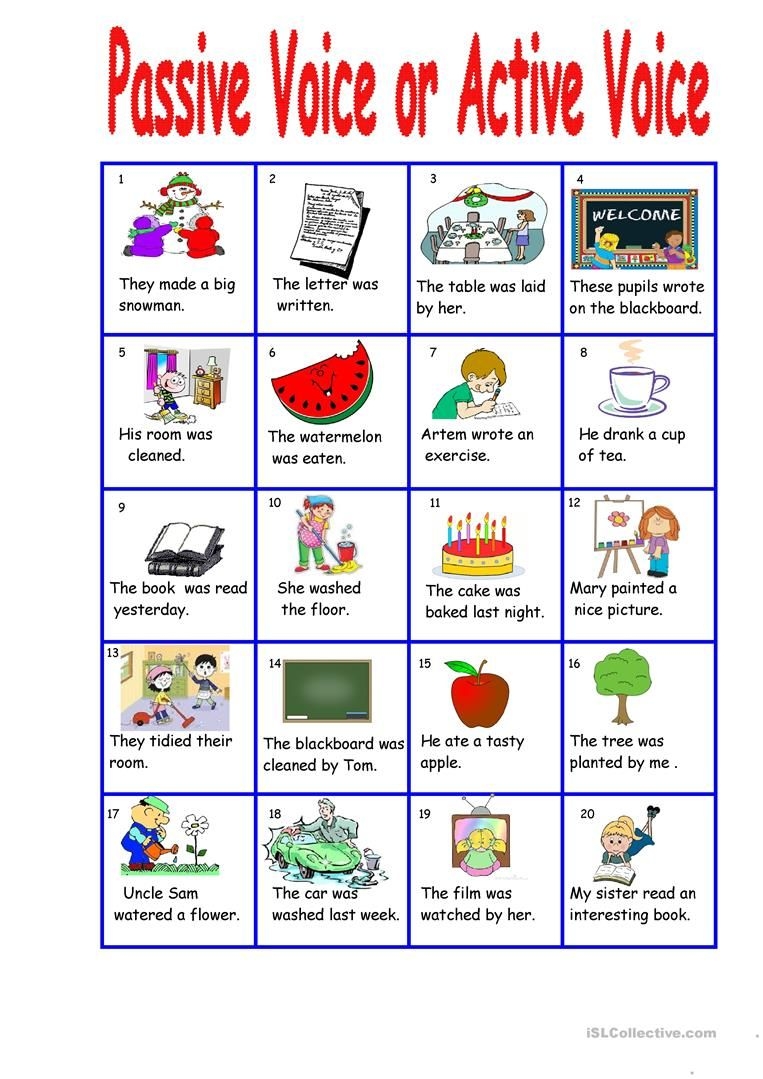
Active and Passive Verbs
Active verbs are often more concise and specific than passive verbs. For example, “The cat chased the mouse” is more direct and engaging than “The mouse was chased by the cat.” Active verbs also help to clearly identify the doer of the action, making the sentence easier to understand.
Passive verbs, on the other hand, can be useful when the focus is on the action rather than the doer. For instance, “The cake was baked by Mary” shifts the focus to the cake and the act of baking, rather than Mary. Passive verbs are also commonly used in scientific writing to emphasize results or findings without drawing attention to the researcher.
When choosing between active and passive verbs, consider the impact you want to have on your readers. Active verbs are often more engaging and direct, making them ideal for storytelling and persuasive writing. Passive verbs can be useful for creating a sense of objectivity or formality in your writing.
Overall, both active and passive verbs have their place in writing. By understanding the differences between the two and knowing when to use each, you can improve the clarity and effectiveness of your writing. Experiment with both types of verbs to see how they can enhance your writing style and make your sentences more impactful.
In conclusion, active and passive verbs play a crucial role in conveying actions and states of being in English. By mastering the use of both types of verbs, you can elevate the quality of your writing and effectively communicate your message to your audience.