Verbs play a crucial role in the structure of a sentence. They express actions, events, or states of being. Understanding the difference between intransitive and transitive verbs is essential for constructing grammatically correct sentences.
Intransitive verbs do not require a direct object to complete their meaning, while transitive verbs do. This distinction is important in determining the structure of a sentence and the relationships between its elements.
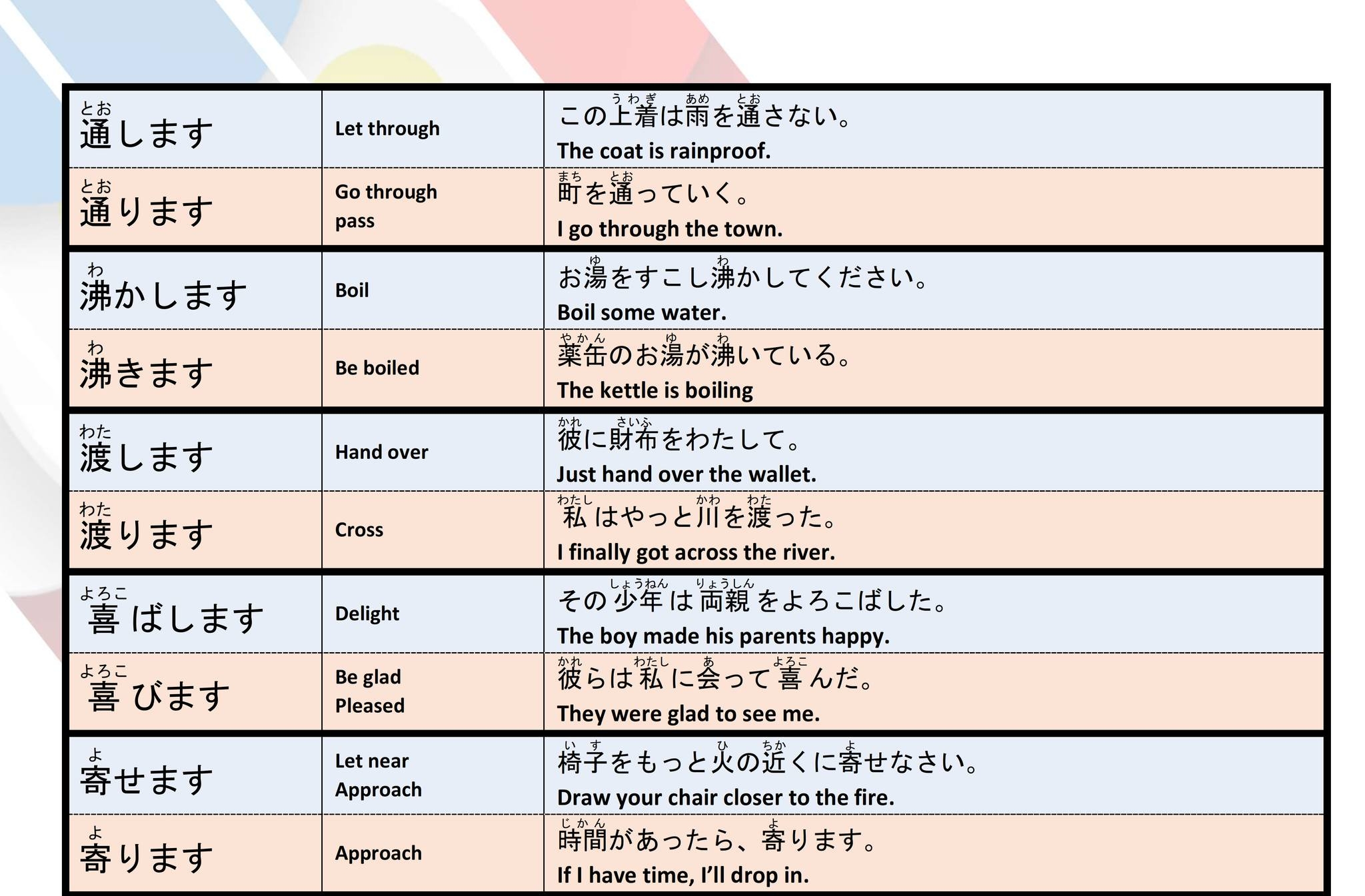
Intransitive vs Transitive Verb
Intransitive verbs are verbs that do not require a direct object to complete their meaning. They express actions or events that do not transfer to another noun or pronoun. For example, in the sentence “She sleeps,” the verb “sleeps” is intransitive as it does not require a direct object. Intransitive verbs often describe actions that are self-contained and do not affect anything or anyone else.
On the other hand, transitive verbs require a direct object to complete their meaning. They transfer the action or event to a noun or pronoun that receives the action. For example, in the sentence “She eats an apple,” the verb “eats” is transitive as it requires the direct object “an apple” to make sense. Transitive verbs often describe actions that affect something or someone else.
It is important to note that some verbs can be both transitive and intransitive depending on how they are used in a sentence. For example, the verb “run” can be intransitive when used alone (e.g., “He runs every day”) or transitive when followed by a direct object (e.g., “He runs a marathon”). Understanding the context in which a verb is used is key to identifying whether it is intransitive or transitive.
Overall, the distinction between intransitive and transitive verbs is crucial for constructing clear and grammatically correct sentences. By understanding the roles of these verbs and how they interact with other elements in a sentence, writers can effectively communicate their ideas and convey the intended meaning to readers.
In conclusion, knowing the difference between intransitive and transitive verbs is essential for mastering the structure of sentences. Whether a verb requires a direct object or not can significantly impact the meaning and clarity of a sentence. By practicing and identifying intransitive and transitive verbs in various contexts, writers can enhance their language skills and improve their writing abilities.