Modal verbs are a crucial component of the English language. They help to convey attitudes, beliefs, permissions, obligations, and possibilities in a sentence. Understanding and using modal verbs correctly can greatly enhance your language skills.
Modal verbs are unique in that they do not have a past or future form and are always followed by the base form of the verb. They are used to modify the main verb in a sentence, indicating the speaker’s attitude towards the action.
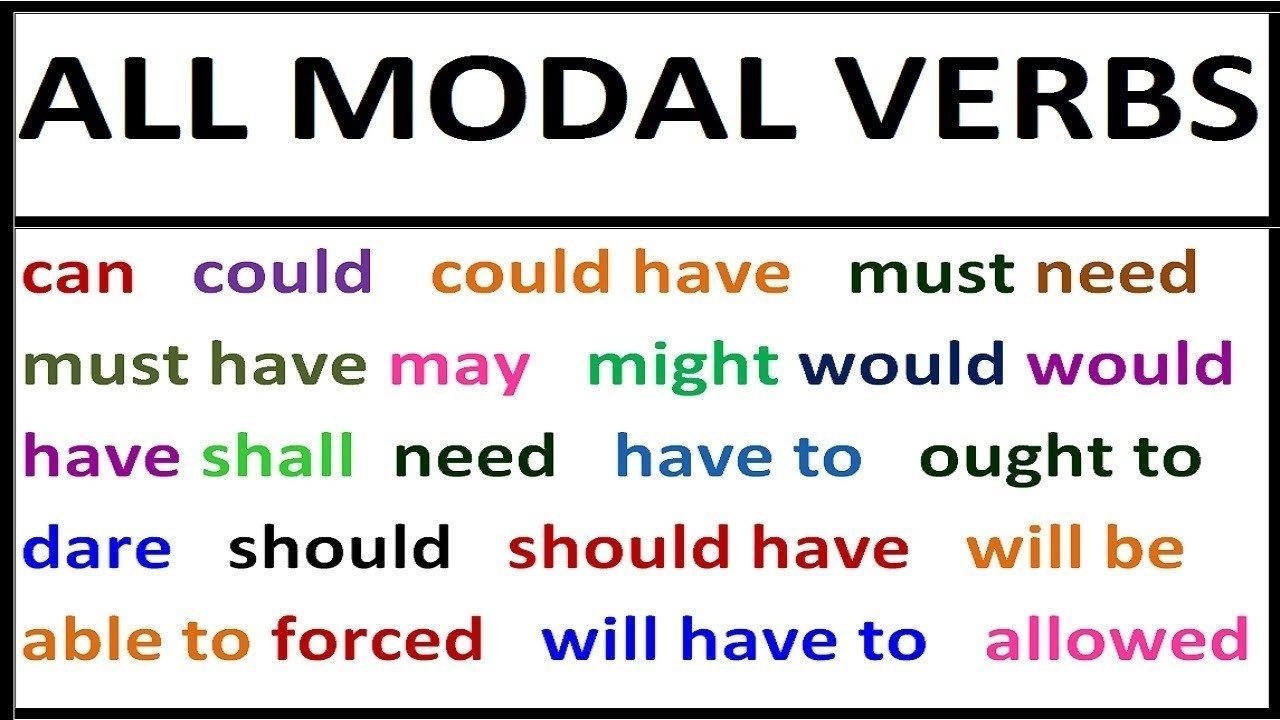
Full List of Modal Verbs
1. can
2. could
3. may
4. might
5. will
6. would
7. shall
8. should
9. must
10. ought to
11. have to
12. need to
Modal verbs can express various meanings such as ability, possibility, necessity, permission, and obligation. For example, “I can speak Spanish” indicates ability, while “You should study for the exam” suggests obligation. Understanding the nuances of each modal verb is essential for effective communication.
Modal verbs can also be used to make polite requests and offers. For instance, “Could you please pass the salt?” is a polite way of asking for something. Modal verbs add politeness and formality to language, making interactions more courteous and respectful.
It is important to note that modal verbs do not have an -s form for the third person singular in the present tense. For example, “He can speak French” is correct, while “He cans speak French” is incorrect. Understanding the correct usage of modal verbs can help avoid common grammatical errors.
In conclusion, modal verbs play a crucial role in English grammar, conveying a wide range of meanings and attitudes. Mastering the use of modal verbs can enhance your language skills and improve the clarity and precision of your communication. Practice using modal verbs in different contexts to become more proficient in their usage.