Understanding the present perfect tense can be a challenging concept for English language learners. This tense is used to describe actions that have been completed at some point in the past but are still relevant to the present moment. It can be confusing because it involves both past and present elements, making it essential to provide clear explanations to ensure comprehension.
When teaching the present perfect tense, it is crucial to break down the grammar rules and provide examples to help students grasp its usage. By offering practical explanations and exercises, learners can develop a better understanding of how and when to use this tense in their communication.
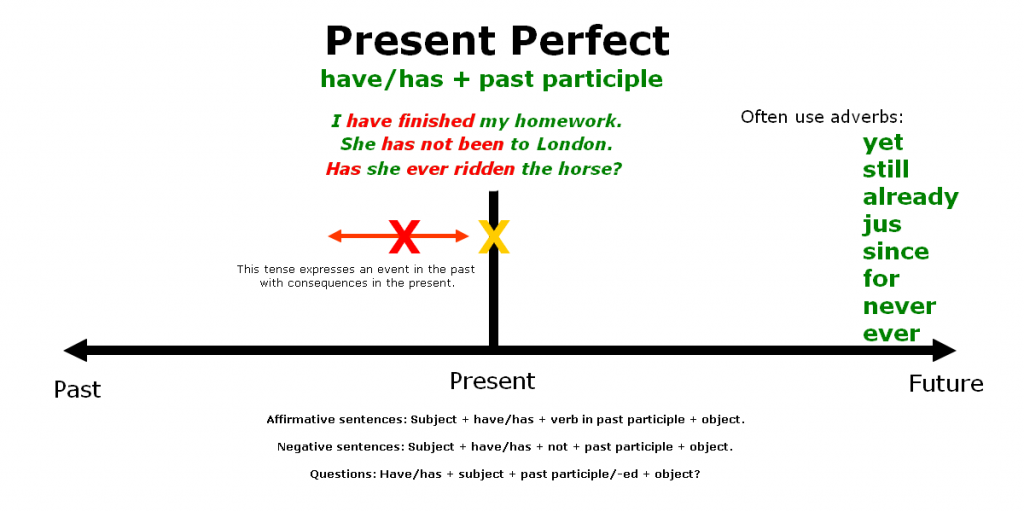
How to Explain Present Perfect
One way to explain the present perfect tense is to emphasize the connection between past actions and their current effects on the present. For example, you can illustrate this by saying, “I have eaten breakfast,” which implies that the action of eating breakfast happened in the past, but its impact (being full) is still felt in the present moment.
Another key aspect of the present perfect tense is its association with unfinished time periods, such as “today,” “this week,” or “in my life.” By highlighting these time markers, learners can understand the relevance of using the present perfect to describe experiences or actions that have occurred within a specific timeframe.
Furthermore, it is essential to explain the difference between the present perfect and simple past tense. While the simple past focuses on specific actions that happened at a definite time in the past, the present perfect is used for events that have occurred at an unspecified time or have ongoing relevance to the present.
Additionally, providing real-life examples and interactive activities can enhance students’ understanding of the present perfect tense. Engaging learners in conversations, role-plays, or writing exercises that incorporate this tense can help reinforce their comprehension and usage in practical contexts.
In conclusion, explaining the present perfect tense requires a clear breakdown of its grammar rules, emphasis on its connection to past actions and present effects, differentiation from the simple past tense, and interactive practice for effective learning. By implementing these strategies, educators can help students master this complex tense and improve their overall language proficiency.