Gerunds are words that are formed by adding “-ing” to a verb and used as nouns in a sentence. They can function as subjects, objects, or complements in a sentence. Understanding gerunds and how to use them correctly is essential for mastering the English language.
Gerunds are versatile and can be found in various contexts in English grammar. They can be used to express actions, habits, or states of being in a sentence. Knowing how to identify and use gerunds effectively can enhance your writing and communication skills.
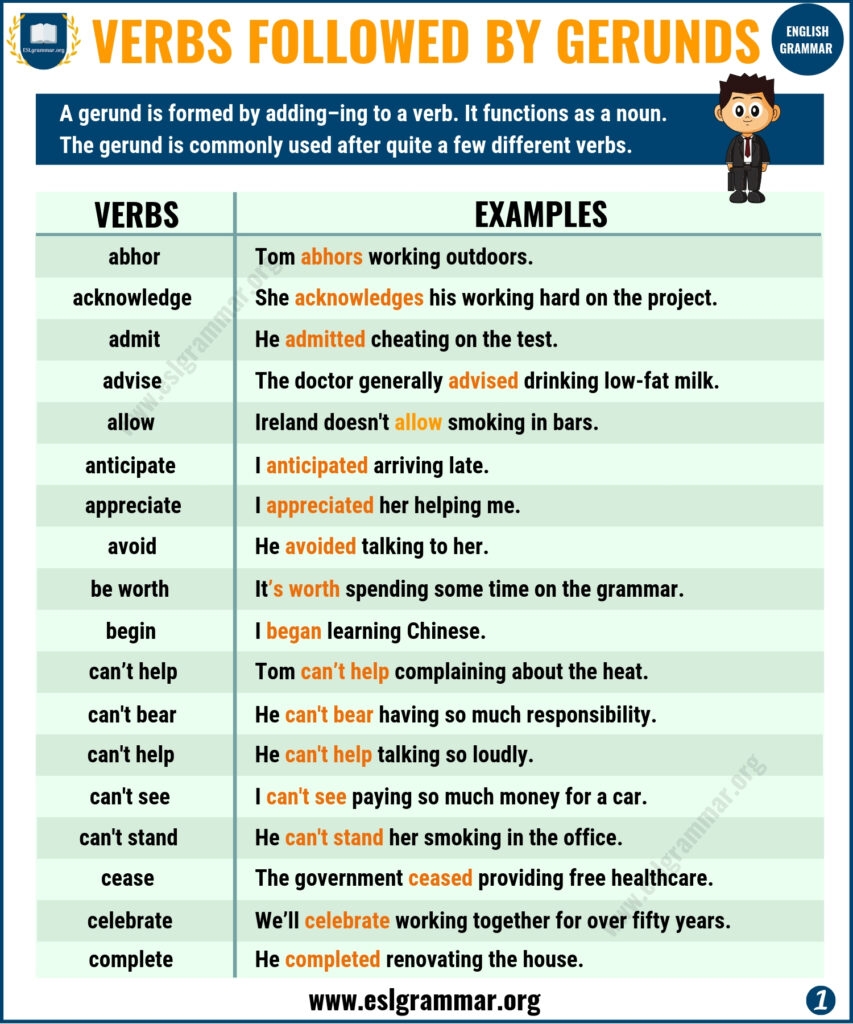
Examples of Gerunds
1. Swimming is my favorite hobby. (subject of the sentence)
2. She enjoys reading books in her free time. (object of the verb ‘enjoys’)
3. Running is a great way to stay fit. (subject of the sentence)
4. I avoid eating fast food for better health. (object of the verb ‘avoid’)
5. Playing the piano requires dedication and practice. (complement of the subject ‘Playing the piano’)
Gerunds can also be used after prepositions to show the relationship between the verb and the rest of the sentence. For example:
6. He is good at playing basketball. (gerund ‘playing’ after the preposition ‘at’)
7. She apologized for forgetting her friend’s birthday. (gerund ‘forgetting’ after the preposition ‘for’)
Overall, gerunds play a crucial role in English grammar and can add depth and clarity to your writing. By understanding their meaning and usage, you can improve your language skills and communicate more effectively.