Grammar plays a crucial role in effectively communicating ideas and thoughts. Understanding the various tenses, such as past and past perfect, is essential for conveying the timeline of events accurately. In this article, we will delve deeper into the differences between past and past perfect tense.
The past tense is used to describe actions that have already happened in the past. It typically involves adding ‘-ed’ to the base form of regular verbs, while irregular verbs have unique past tense forms. For example, “I walked to the park yesterday.” On the other hand, the past perfect tense is used to indicate an action that was completed before another action took place in the past. It is formed by using ‘had’ + past participle. For instance, “By the time I arrived, they had already eaten dinner.”
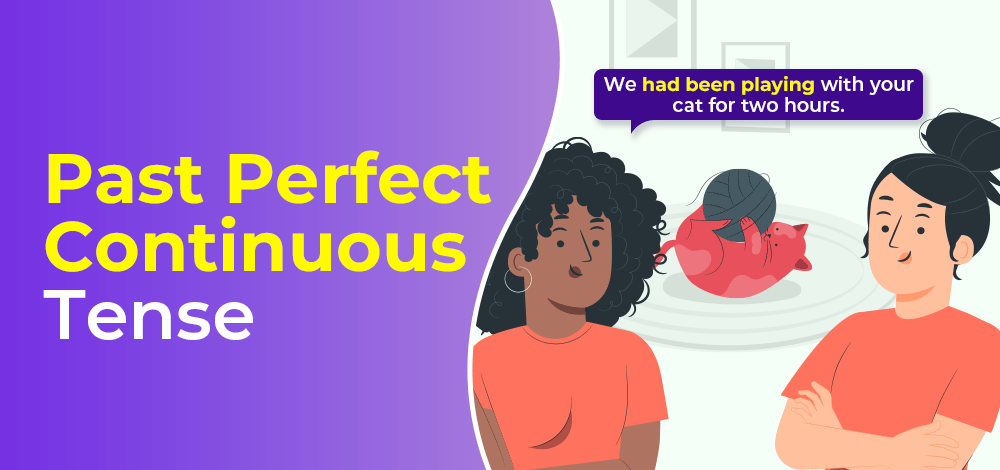
Using the past perfect tense helps to establish a clear sequence of events in storytelling or recounting past experiences. It allows readers or listeners to understand the chronological order of actions that occurred. By distinguishing between the past and past perfect tense, writers can create more nuanced and engaging narratives.
Furthermore, mastering the correct usage of past and past perfect tense can enhance the clarity and coherence of written communication. It prevents confusion and ensures that the intended message is conveyed accurately. Effective use of these tenses also demonstrates a strong command of language and attention to detail.
Practice and familiarity with past and past perfect tense are essential for improving language proficiency. Regular exposure to examples and exercises can help reinforce the rules and patterns associated with these tenses. By incorporating past and past perfect tense in daily writing and speaking activities, individuals can strengthen their grammatical skills and express themselves more effectively.
In conclusion, understanding the distinctions between past and past perfect tense is crucial for effective communication and language proficiency. By mastering these tenses, individuals can convey their ideas with clarity and precision. Continuous practice and reinforcement of past and past perfect tense will ultimately lead to improved writing and communication skills.