Passive sentences can be a common pitfall in writing, as they can make your sentences less clear and engaging. However, by understanding how to identify passive sentences, you can improve the quality of your writing and make your message more impactful.
Passive sentences are characterized by the use of a form of “to be” (such as is, am, are, was, were) followed by a past participle verb. The subject of the sentence is often the recipient of the action, rather than the doer. For example, “The cake was eaten by me” is a passive sentence, whereas “I ate the cake” is active.
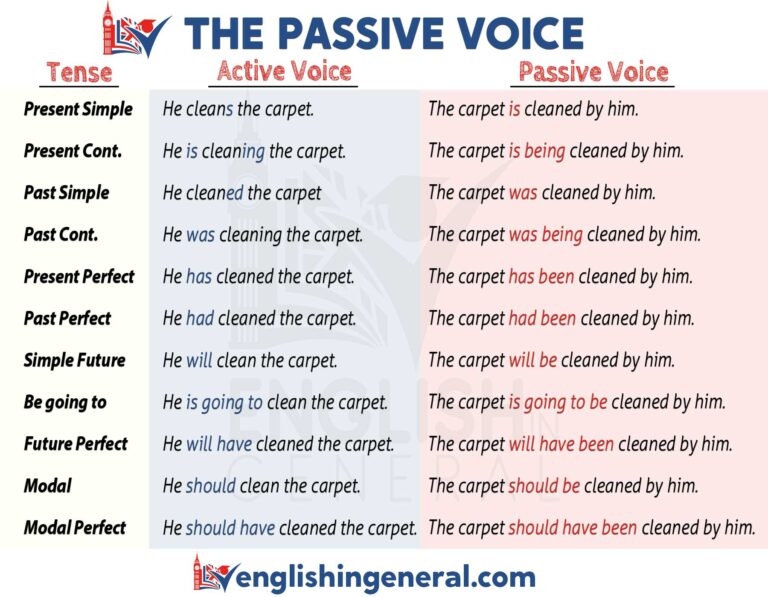
How to Identify Passive Sentences
One way to identify passive sentences is to look for the use of “to be” verbs followed by a past participle. If you see these elements in a sentence, there’s a good chance it is passive. Another clue is the absence of a clear subject performing the action. Instead, the focus is on the object of the action.
Additionally, passive sentences often include phrases like “by me” or “by the team,” which indicate who is performing the action. In active sentences, the subject typically comes before the verb and is the doer of the action. By paying attention to these indicators, you can easily spot passive constructions in your writing.
Another tip for identifying passive sentences is to look for sentences that feel awkward or convoluted. Passive constructions can make sentences longer and more complex than necessary, which can be a sign that the sentence is passive. By simplifying the sentence and making the subject the doer of the action, you can transform a passive sentence into an active one.
Finally, consider the overall tone and impact of your writing. Passive sentences can make your writing sound distant or impersonal, whereas active sentences are more engaging and direct. By actively seeking out passive constructions and replacing them with active ones, you can strengthen your writing and connect with your audience more effectively.
In conclusion, identifying passive sentences is an essential skill for improving the clarity and impact of your writing. By recognizing the key indicators of passive constructions and making the necessary adjustments, you can transform passive sentences into active ones and elevate the quality of your writing.