Passive voice is a common writing mistake that can weaken your sentences and make them less engaging. It occurs when the subject of a sentence is acted upon by the verb, rather than performing the action themselves. Recognizing passive voice is important for improving the clarity and strength of your writing.
One way to identify passive voice is to look for forms of the verb “to be” (am, is, are, was, were, be, being, been) followed by a past participle. For example, “The cake was eaten by Sarah” is passive, while “Sarah ate the cake” is active. Passive constructions often include the word “by” before the doer of the action, but not always.
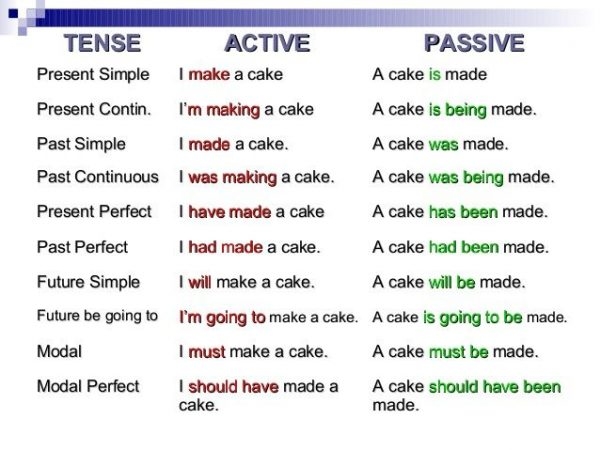
Another clue to passive voice is the lack of a clear subject performing the action. In passive sentences, the focus is on the receiver of the action rather than the doer. For instance, “The report was submitted yesterday” is passive because it does not specify who submitted the report. To make this sentence active, you could say “I submitted the report yesterday.”
Passive voice is also commonly used in scientific and academic writing, where the focus is on the results rather than the actions of specific individuals. However, using passive voice excessively can make your writing sound impersonal and indirect. By actively choosing when to use passive voice, you can control the tone and emphasis of your writing.
One way to fix passive voice is to rewrite the sentence in the active voice. This involves switching the order of the sentence so that the subject performs the action. For example, “The book was read by the student” can be changed to “The student read the book.” This simple change can make your writing more direct and engaging.
In conclusion, recognizing passive voice is essential for writing clear and strong sentences. By looking for key indicators such as forms of “to be” and unclear subjects, you can identify passive constructions and make them active. By actively choosing when to use passive voice, you can improve the clarity and impact of your writing.