Medical terminology can often seem complex and overwhelming, especially when trying to understand the meaning of various words. However, breaking down these terms into their components – prefixes and suffixes – can make them much easier to decipher. By understanding the common prefixes and suffixes used in medical terminology, you can gain insight into the meaning of many medical words.
Prefixes are added to the beginning of a word to modify its meaning, while suffixes are added to the end. In medical terminology, these prefixes and suffixes are often derived from Greek or Latin roots. By learning common prefixes and suffixes, you can decode the meaning of many medical terms and better understand medical concepts.
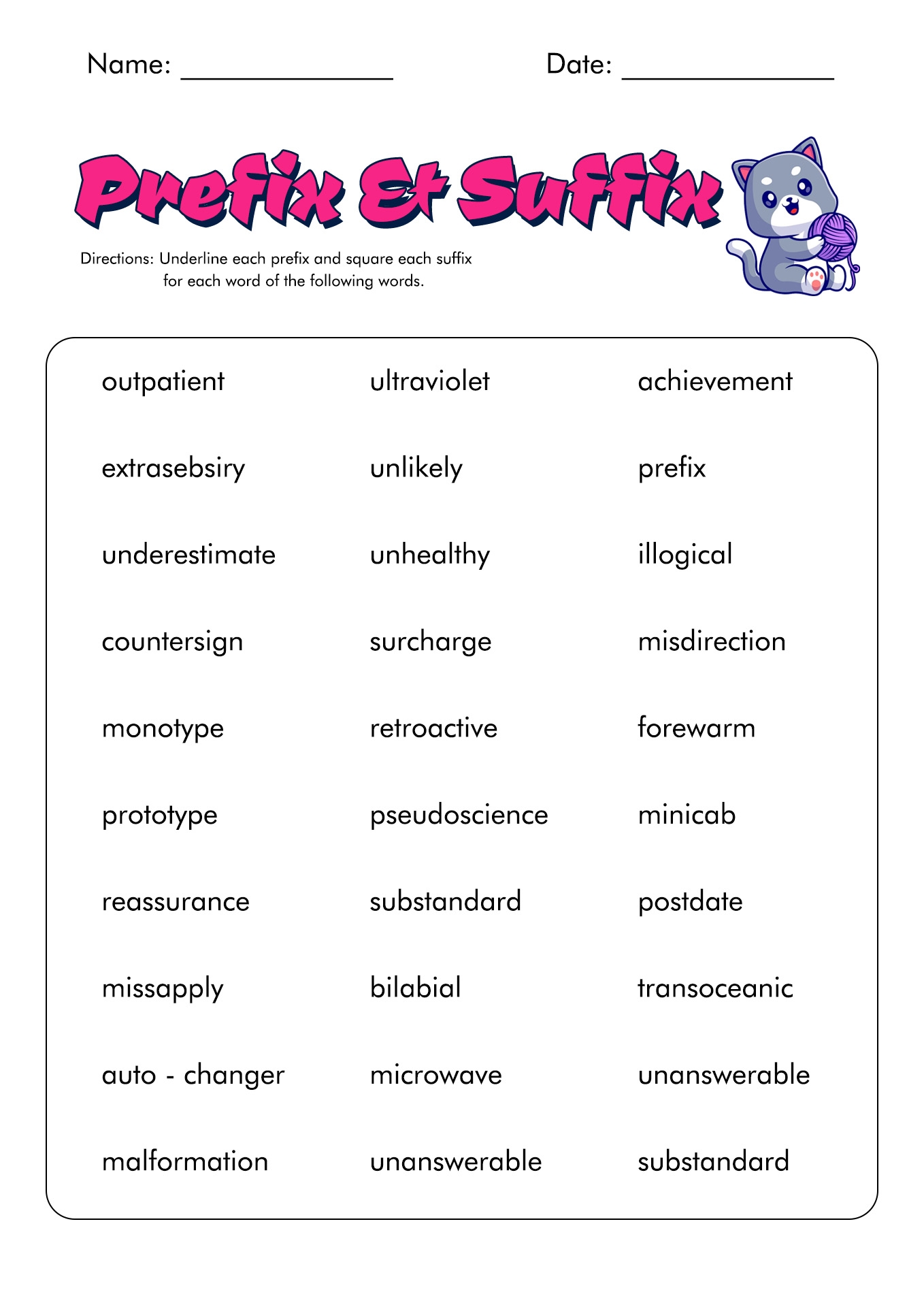
Common Medical Words with Prefixes and Suffixes
1. Cardio-: This prefix refers to the heart. For example, “cardiology” is the study of the heart and its functions.
2. -itis: This suffix indicates inflammation. For instance, “bronchitis” refers to inflammation of the bronchial tubes.
3. Neuro-: This prefix pertains to the nervous system. “Neurology” is the study of the nervous system and its disorders.
4. -ectomy: This suffix denotes the surgical removal of a specific body part. For example, “appendectomy” is the surgical removal of the appendix.
5. Dermat-: This prefix relates to the skin. “Dermatology” is the study of the skin and its diseases.
Understanding these prefixes and suffixes can help you decipher the meaning of various medical terms and concepts, making it easier to communicate with healthcare professionals and understand medical literature.
Medical terminology can be daunting, but by breaking down words into their component parts, such as prefixes and suffixes, you can enhance your understanding of complex medical terms. Learning common medical prefixes and suffixes can empower you to decode the meaning of unfamiliar words and grasp essential medical concepts.
In conclusion
By familiarizing yourself with medical words containing prefixes and suffixes, you can navigate the world of healthcare with greater confidence and understanding. Whether you are a healthcare professional, student, or simply interested in expanding your medical knowledge, mastering medical terminology can enhance your ability to communicate effectively and interpret medical information accurately.