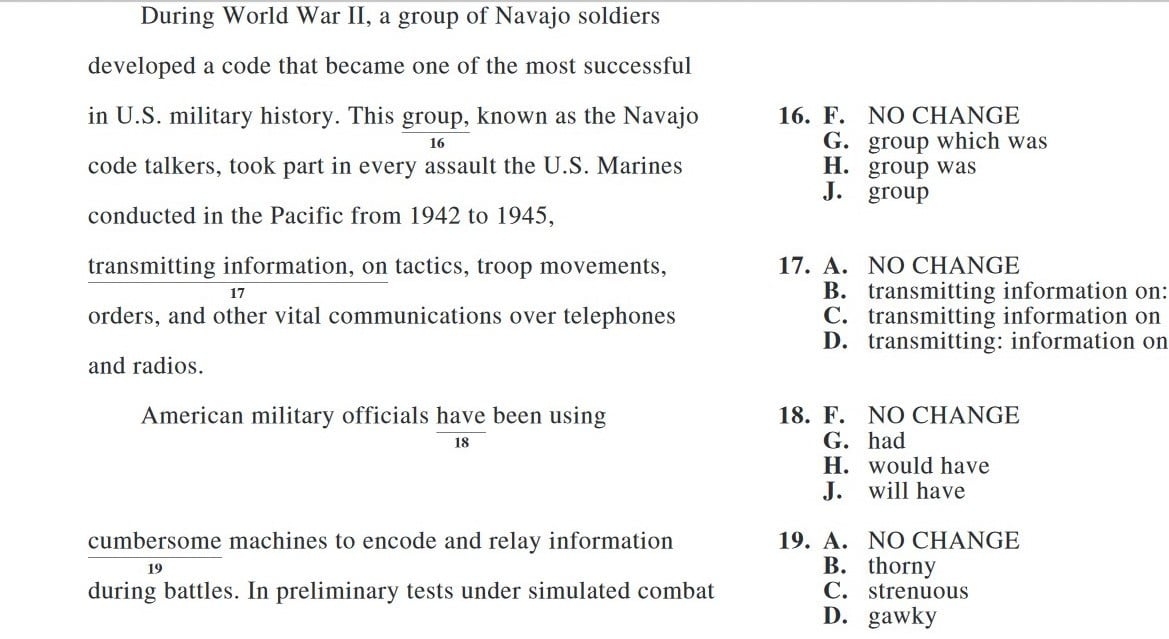
When preparing for the ACT exam, it is important to familiarize yourself with a variety of vocabulary words that may appear in the reading and English sections. Having a strong grasp of these words can help improve your overall score and comprehension of the passages presented. Let’s explore some key vocabulary words that are commonly found on the ACT.
1. Ubiquitous – present, appearing, or found everywhere. This word is often used to describe something that is widespread or omnipresent.
2. Egregious – outstandingly bad; shocking. This word is used to emphasize something that is particularly offensive or glaringly wrong.
3. Conundrum – a confusing and difficult problem or question. This word is often used to describe a situation that is puzzling or complex.
4. Capitulate – to surrender or give in. This word is used to describe the act of yielding or submitting to an opponent or situation.
5. Esoteric – intended for or likely to be understood by only a small number of people with a specialized knowledge or interest. This word is often used to describe something that is obscure or niche.
Having a strong understanding of these and other key vocabulary words can greatly benefit your performance on the ACT exam. By familiarizing yourself with these words and their meanings, you can improve your overall reading comprehension and analytical skills. Remember to practice using these words in context to fully grasp their meanings and nuances.
As you continue to prepare for the ACT, make it a priority to expand your vocabulary and incorporate these key words into your study routine. By doing so, you will be better equipped to tackle the challenging passages and questions presented on the exam. With dedication and practice, you can master these vocabulary words and excel on the ACT.
In conclusion, mastering key vocabulary words is a crucial aspect of preparing for the ACT exam. By familiarizing yourself with words like ubiquitous, egregious, conundrum, capitulate, and esoteric, you can enhance your reading comprehension and overall performance on the test. Keep practicing and incorporating these words into your study routine to maximize your success on the ACT.