In recent years, there has been a growing awareness and acceptance of diverse gender identities beyond the traditional binary categories of male and female. This has led to the emergence of new language and terminology to better reflect and respect the identities of non-binary, genderqueer, and gender nonconforming individuals. One of the ways in which this has manifested is through the use of neo pronouns.
Neo pronouns are a set of gender-neutral pronouns that individuals may choose to use in place of traditional pronouns such as he/him, she/her, or they/them. These pronouns are often created or adopted by individuals to better align with their gender identity and expression, and can vary widely in form and usage.
Neo Pronouns
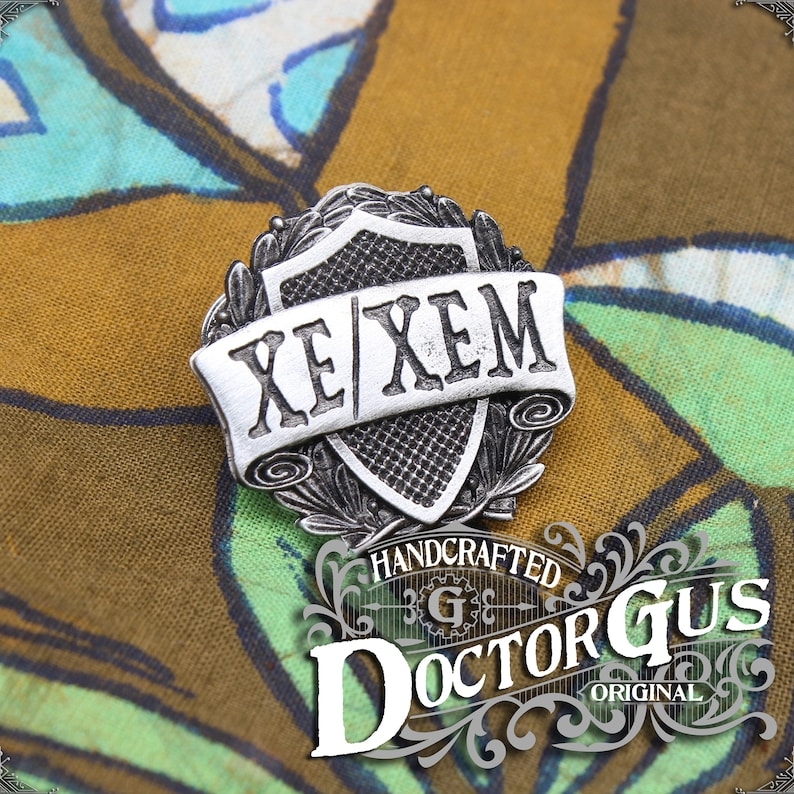
Some examples of neo pronouns include xe/xem/xyr, ze/hir/hirs, and fae/faer/faers. These pronouns may be used by individuals who feel that the traditional pronouns do not accurately reflect their identity, or who simply prefer a different set of pronouns that feel more authentic to them. By using neo pronouns, individuals are able to express their gender identity in a way that feels true to themselves.
It is important to respect and use the neo pronouns that individuals choose for themselves, as using the correct pronouns is a way to affirm and validate their gender identity. By taking the time to learn and use someone’s preferred pronouns, you show that you respect and support their identity, creating a more inclusive and welcoming environment for all.
While the use of neo pronouns may be unfamiliar to some, it is important to approach them with an open mind and a willingness to learn. By educating ourselves and others about the importance of respecting individuals’ pronouns, we can help create a more inclusive and understanding society for all gender identities.
In conclusion, neo pronouns are an important aspect of the evolving language and understanding of gender identity. By using and respecting individuals’ chosen pronouns, we can create a more inclusive and affirming environment for people of all gender identities. It is crucial to listen to and support individuals in their journey to self-expression and authenticity.