Nouns are an essential part of language, serving as the building blocks for communication. They are words that represent people, places, things, or ideas. Understanding the various definitions of nouns is crucial for effective communication and writing.
1. Common Nouns: Common nouns are general names for people, places, things, or ideas. They are not capitalized unless they begin a sentence. Examples of common nouns include “dog,” “city,” “book,” and “happiness.”
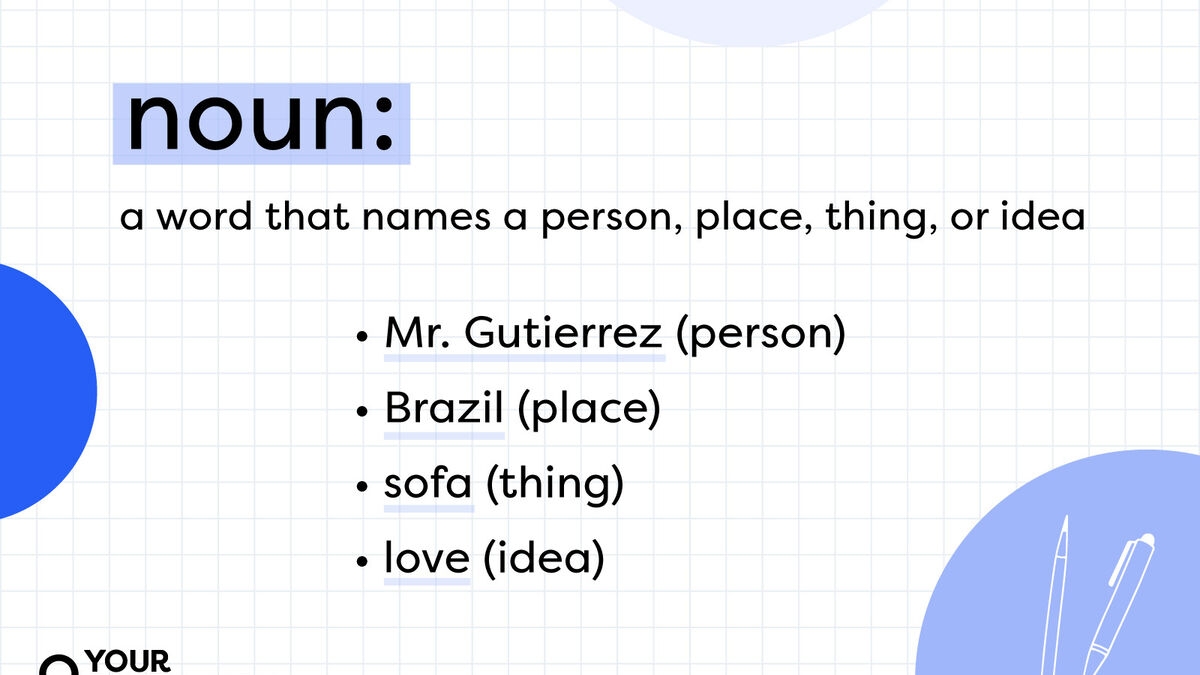
2. Proper Nouns: Proper nouns are specific names for people, places, things, or ideas. They are always capitalized. Examples of proper nouns include “John,” “Paris,” “Coca-Cola,” and “Christmas.”
3. Concrete Nouns: Concrete nouns are tangible objects that can be perceived by the five senses. They include things like “tree,” “car,” “apple,” and “music.”
4. Abstract Nouns: Abstract nouns refer to ideas, concepts, or emotions that cannot be seen or touched. Examples of abstract nouns include “love,” “freedom,” “happiness,” and “justice.”
5. Collective Nouns: Collective nouns are used to refer to groups of people, animals, or things as a single entity. Examples of collective nouns include “team,” “herd,” “flock,” and “family.”
In conclusion, understanding the various definitions of nouns is essential for effective communication. Whether you are writing a paper, having a conversation, or simply reading a book, knowing how to identify and use nouns correctly will enhance your language skills. So next time you come across a noun, remember its definition and how it contributes to the richness and clarity of the language.