Conditional sentences are used to express a hypothetical situation and its consequences. There are four main types of conditional sentences, each with its own structure and usage. By understanding these different types, you can effectively communicate various scenarios and their possible outcomes.
Let’s explore the four types of conditional sentences in detail:
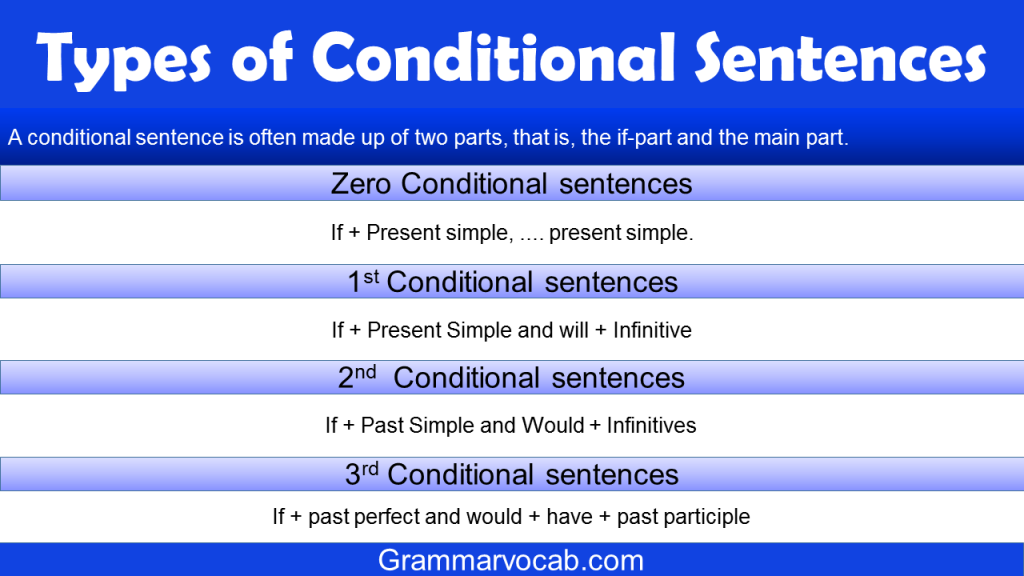
1. Zero Conditional
The zero conditional is used to talk about general truths or facts. It is structured with ‘if’ + present simple, followed by present simple. For example, “If you heat water to 100 degrees, it boils.” This type of conditional sentence is used to describe situations that are always true under certain conditions.
2. First Conditional
The first conditional is used to talk about real and possible situations in the future. It is structured with ‘if’ + present simple, followed by will + base form of the verb. For example, “If it rains tomorrow, I will bring an umbrella.” This type of conditional sentence is used to discuss likely outcomes based on certain conditions being met.
3. Second Conditional
The second conditional is used to talk about unreal or improbable situations in the present or future. It is structured with ‘if’ + past simple, followed by would + base form of the verb. For example, “If I won the lottery, I would buy a mansion.” This type of conditional sentence is used to discuss hypothetical scenarios and their potential outcomes.
4. Third Conditional
The third conditional is used to talk about unreal situations in the past. It is structured with ‘if’ + past perfect, followed by would have + past participle. For example, “If I had studied harder, I would have passed the exam.” This type of conditional sentence is used to discuss regrets or hypothetical outcomes in the past.
By understanding the different types of conditional sentences, you can effectively communicate various hypothetical scenarios and their potential outcomes. Whether you are discussing general truths, future possibilities, unreal situations, or past regrets, utilizing the appropriate conditional sentence structure can enhance your communication skills.
Next time you find yourself in a situation where you need to express a hypothetical scenario, remember the four types of conditional sentences and choose the one that best fits the context. Practice using them in your conversations and writing to improve your language proficiency and effectively convey your ideas.