Understanding noun plural is essential in mastering the English language. Plural nouns refer to more than one person, place, thing, or idea. By knowing how to form plural nouns correctly, you can communicate effectively and avoid common grammar mistakes.
When it comes to forming plural nouns, there are several rules to keep in mind. Some nouns simply add an “s” at the end, while others require different endings or spelling changes. Learning these rules can help you express yourself clearly in writing and conversation.
Noun Plural
One common rule for forming plural nouns is to add an “s” at the end of the word. For example, “cat” becomes “cats” and “book” becomes “books.” This is the simplest way to make a noun plural and is used for most regular nouns in English.
However, there are exceptions to this rule. Some nouns require different endings or spelling changes to become plural. For example, nouns ending in “ch,” “x,” “s,” or “sh” typically add “es” to form the plural. For instance, “church” becomes “churches” and “box” becomes “boxes.”
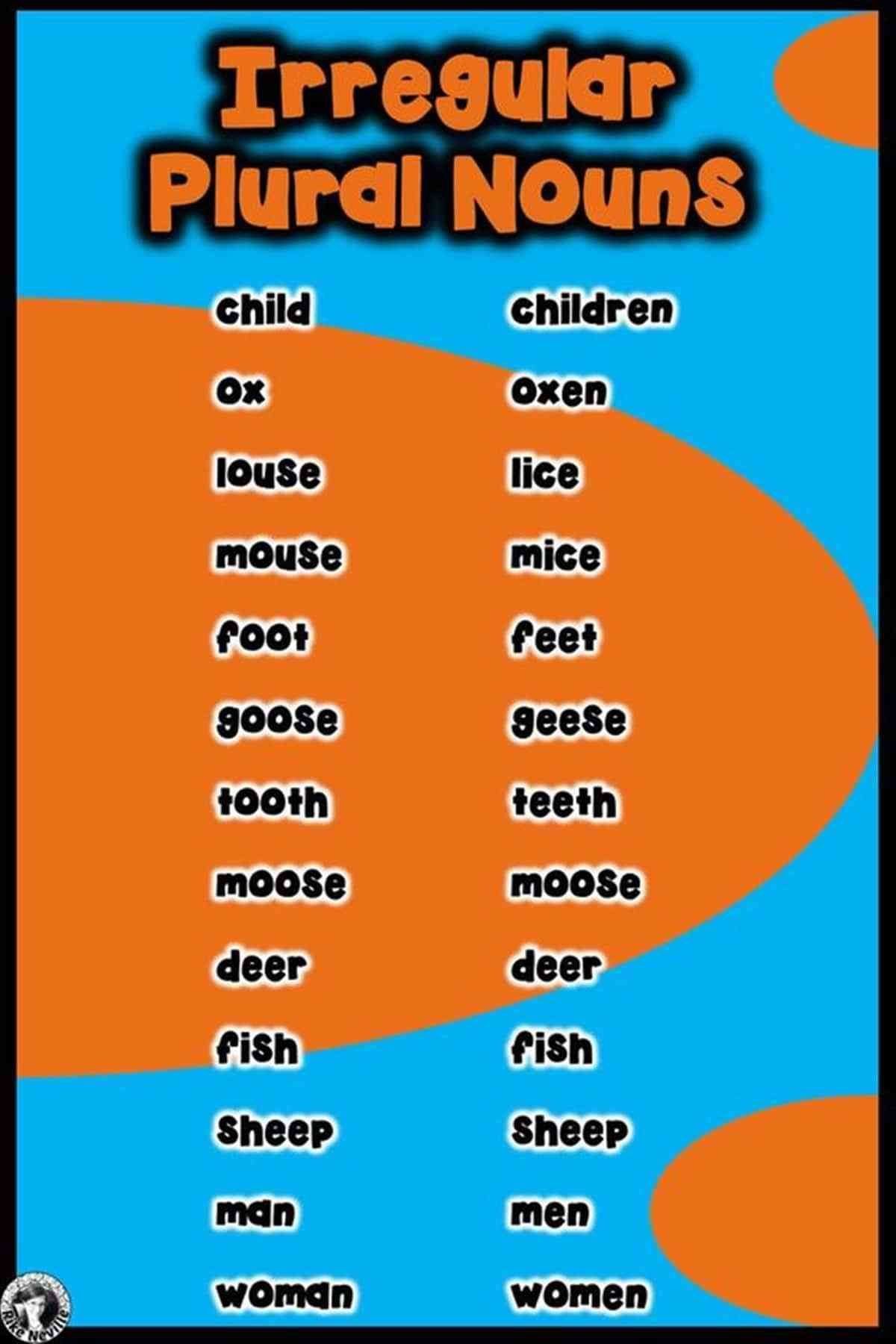
Irregular nouns, on the other hand, do not follow a specific pattern when forming the plural. These nouns have unique plural forms that must be memorized. For example, “child” becomes “children” and “tooth” becomes “teeth.” Understanding these irregular plurals is crucial for accurate communication.
Overall, mastering noun plural is essential for effective communication in English. By learning the rules for forming plural nouns and practicing regularly, you can enhance your language skills and avoid common grammar mistakes. Whether you are writing an essay, sending an email, or having a conversation, using plural nouns correctly will help you express yourself clearly and confidently.
In conclusion, understanding noun plural is a fundamental aspect of the English language. By following the rules for forming plural nouns and familiarizing yourself with irregular plurals, you can communicate effectively and confidently in both written and spoken communication. Practice makes perfect, so keep honing your skills to become a master of noun plural!