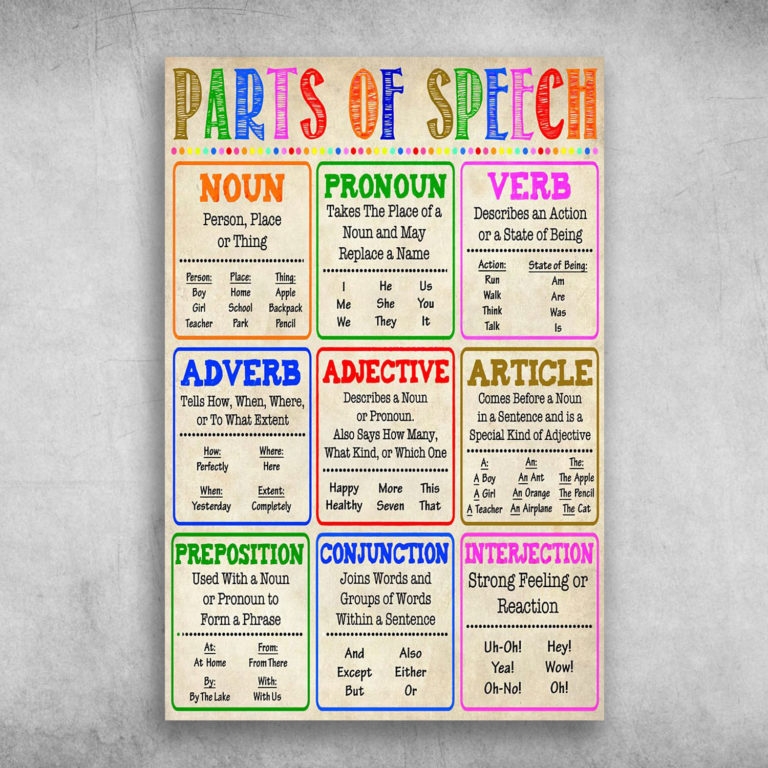
In the English language, words are categorized into different parts of speech, such as nouns, verbs, adjectives, and adverbs. Understanding the differences between these parts of speech is essential for effective communication and writing. Each part of speech serves a specific purpose in a sentence, and knowing how to use them correctly can enhance the clarity and meaning of your writing.
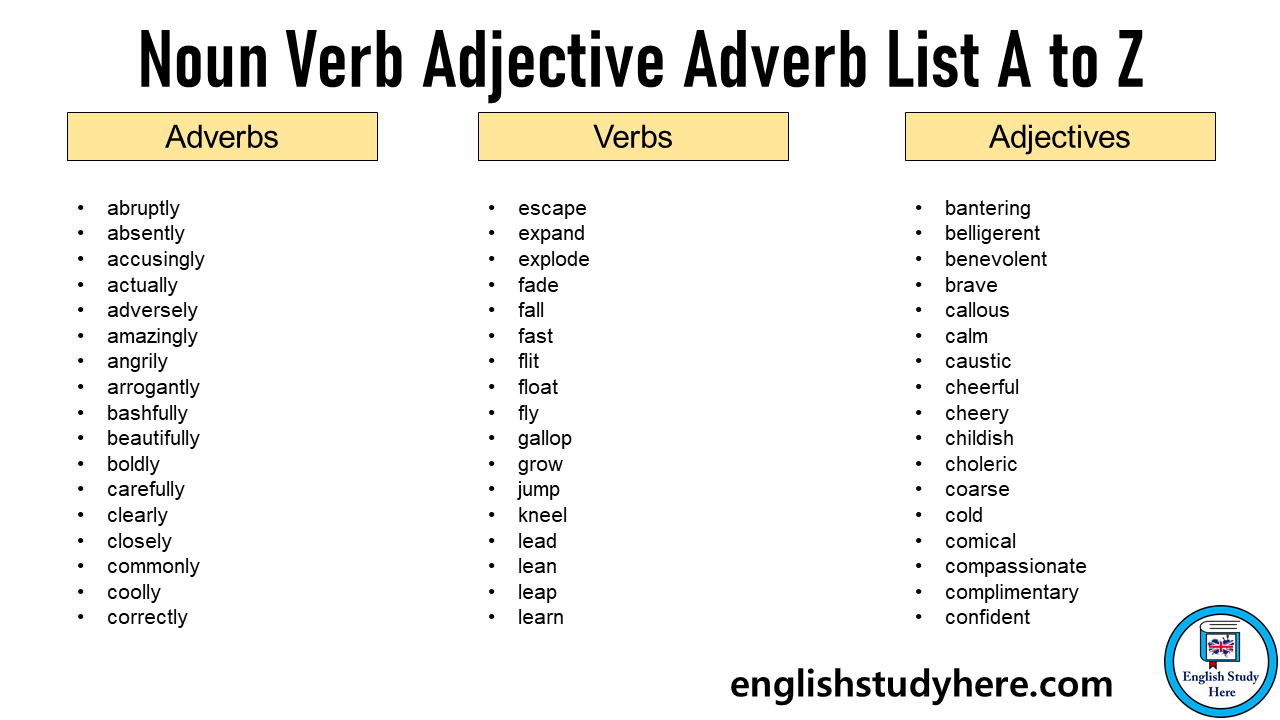
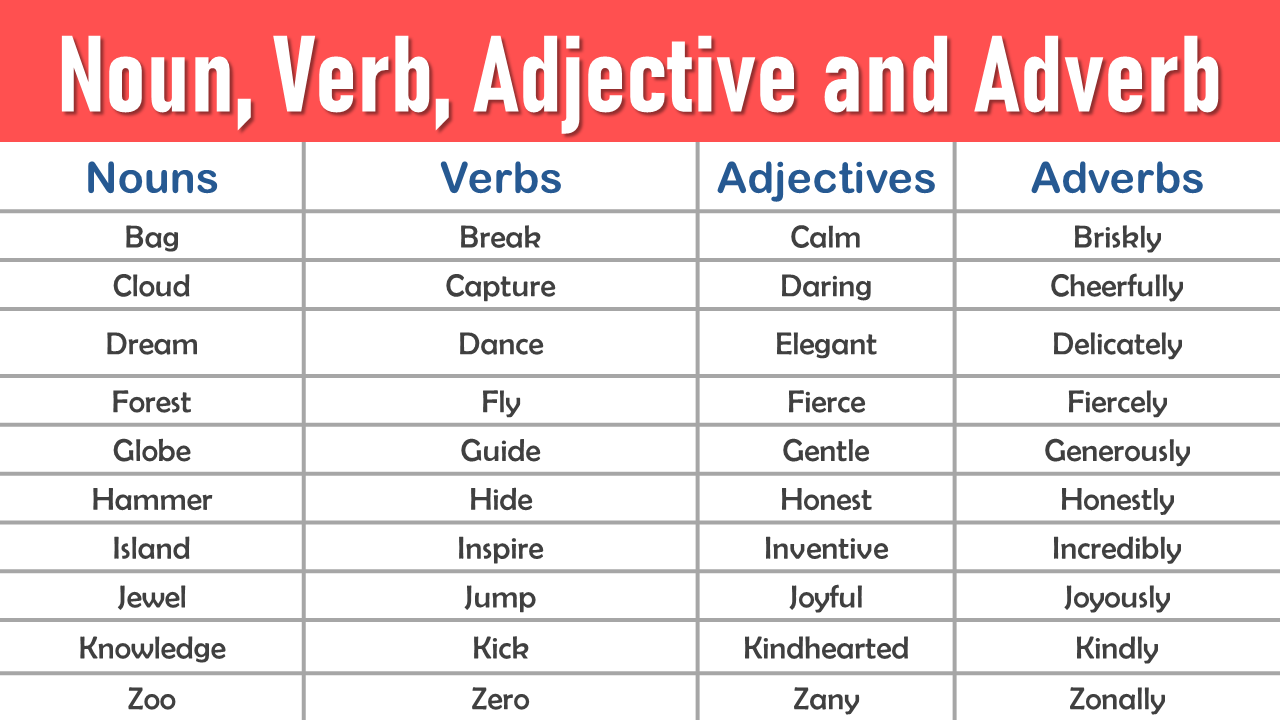
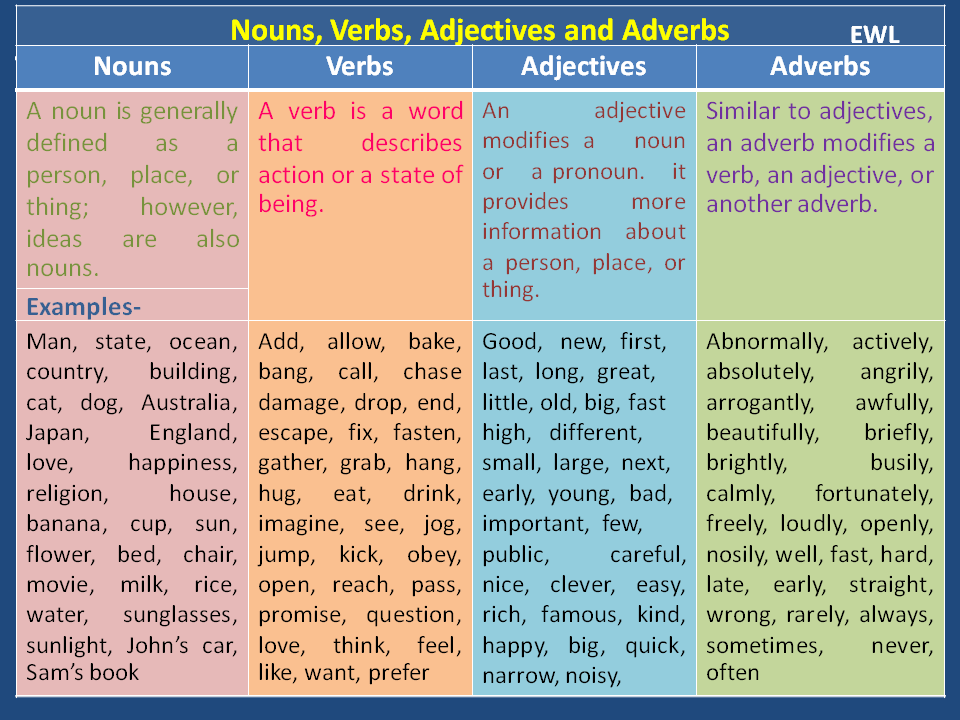
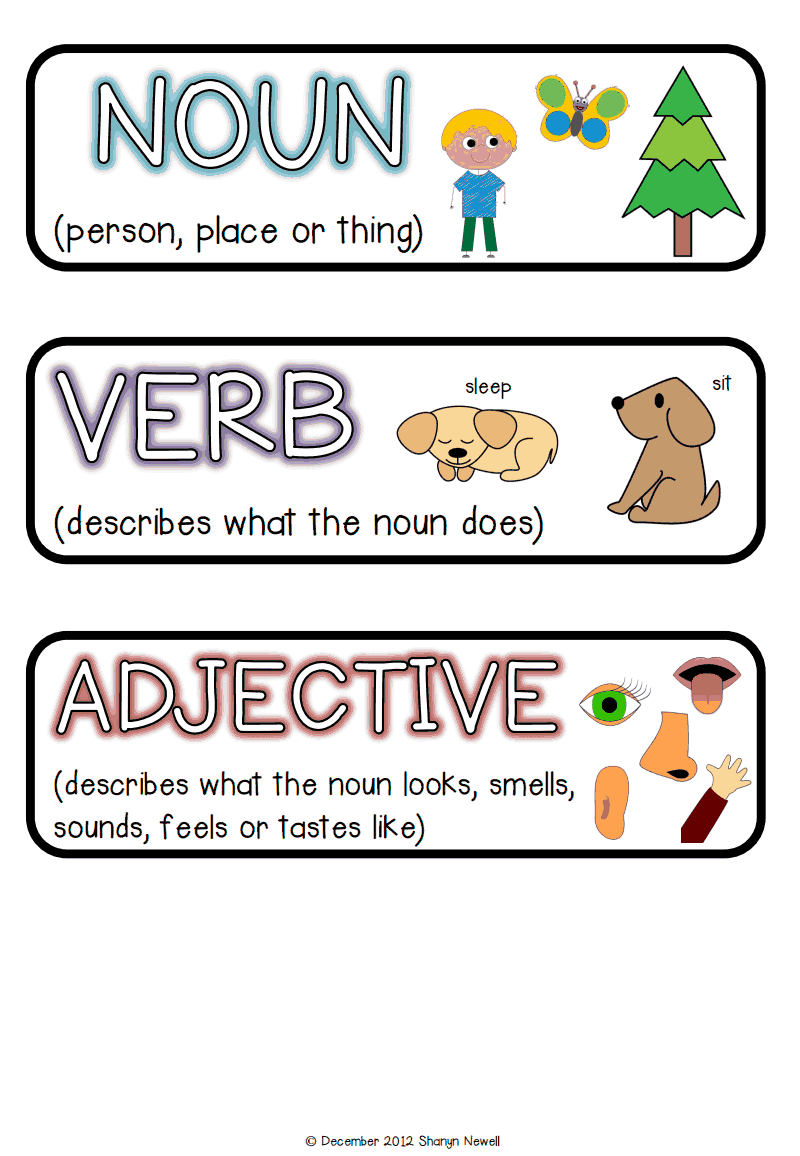
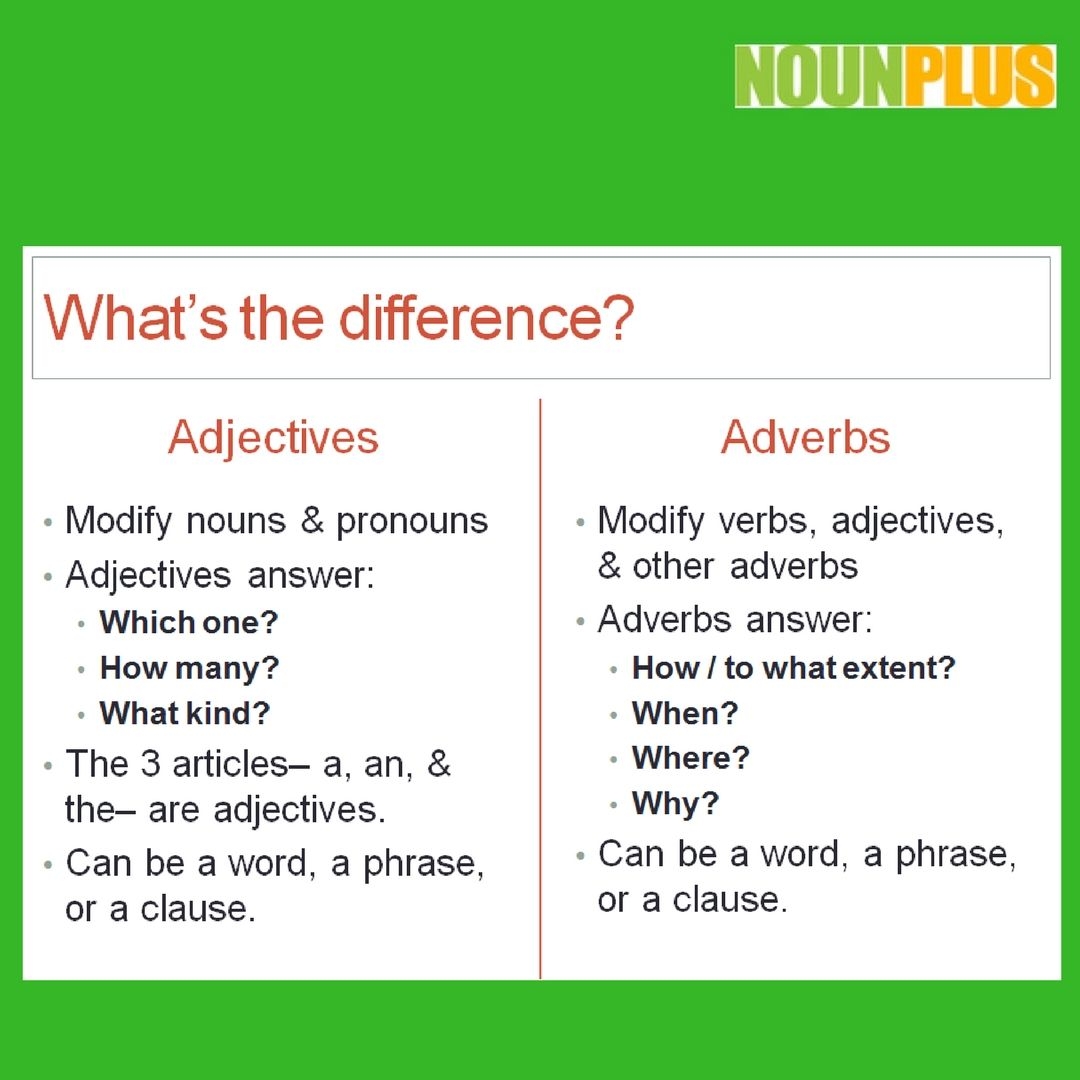
Nouns are words that represent a person, place, thing, or idea. They are the building blocks of sentences and are essential for communicating information. Verbs, on the other hand, are action words that express an action or state of being. Adjectives are words that describe or modify nouns, adding detail and specificity to the sentence. Adverbs, on the other hand, modify verbs, adjectives, or other adverbs, providing information about how, when, where, or to what extent something is done.
Noun Verb Adjective Adverb Difference
Nouns are typically the subject of a sentence, representing the person, place, thing, or idea that the sentence is about. For example, in the sentence “The cat chased the mouse,” “cat” is the noun. Verbs, on the other hand, convey the action of the sentence. In the same example, “chased” is the verb, indicating the action of the cat. Adjectives, such as “furry” in “The furry cat chased the mouse,” provide additional information about the noun, describing its characteristics. Adverbs, like “quickly” in “The cat quickly chased the mouse,” modify the verb, indicating how the action is performed.
One key difference between adjectives and adverbs is that adjectives typically come before the noun they modify, while adverbs usually come after the verb they modify. For example, in the sentence “The red car drove quickly,” “red” is an adjective that comes before the noun “car,” while “quickly” is an adverb that comes after the verb “drove.” Understanding the placement of adjectives and adverbs can help clarify the meaning of a sentence and make it easier to follow.
It’s important to note that some words can function as both adjectives and adverbs, depending on how they are used in a sentence. For example, in the sentence “She sings beautifully,” “beautifully” is an adverb modifying the verb “sings.” However, in the sentence “She has a beautiful voice,” “beautiful” is an adjective describing the noun “voice.” This flexibility in the English language can sometimes lead to confusion, but knowing the basic rules of grammar can help you navigate these nuances.
In conclusion, understanding the differences between nouns, verbs, adjectives, and adverbs is crucial for effective communication and writing. Each part of speech plays a unique role in conveying meaning and clarifying information in a sentence. By mastering the use of these parts of speech, you can enhance the clarity and impact of your writing, making your messages more engaging and persuasive.
Download and Print noun verb adjective adverb difference Listed below