When giving a speech, it is important to understand the different parts that make up a well-structured presentation. Each part serves a specific purpose and contributes to the overall effectiveness of the speech. By breaking down the components of a speech, you can better organize your thoughts and deliver a more impactful message to your audience.
Whether you are giving a formal presentation, a toast at a wedding, or a speech at a public event, knowing the various parts of a speech can help you engage your listeners and make a lasting impression. From the opening to the closing, each part plays a crucial role in capturing and maintaining the attention of your audience.
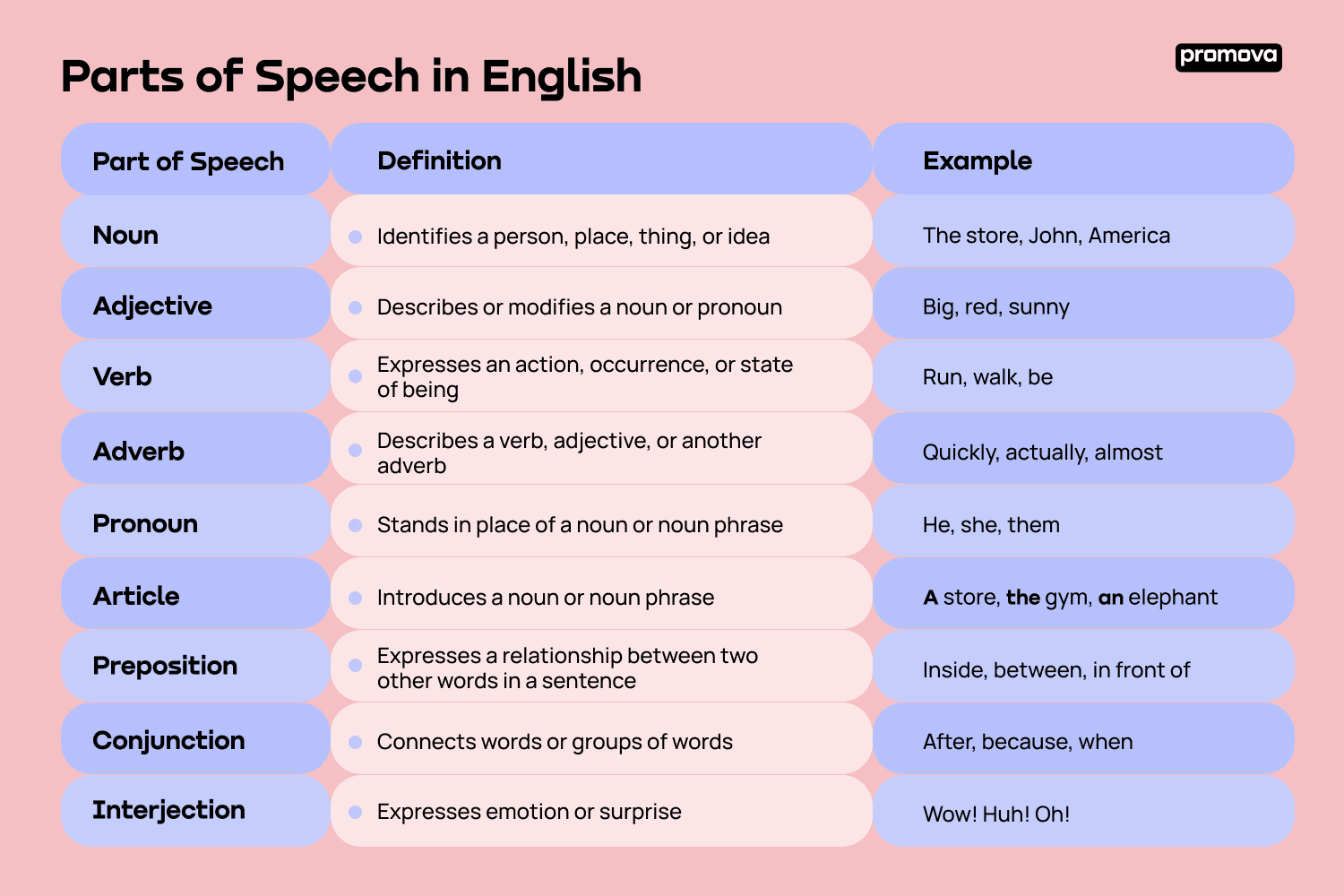
Parts of a Speech
1. Introduction: The introduction is where you grab the attention of your audience and set the tone for your speech. This is where you introduce yourself, establish your credibility, and provide an overview of what you will be discussing. A strong introduction can make a lasting impression and draw your listeners in.
2. Body: The body of your speech is where you present your main points and support them with evidence, examples, and anecdotes. This is the meat of your presentation and where you make your case or argument. It is important to organize your thoughts cohesively and transition smoothly between points to keep your audience engaged.
3. Conclusion: The conclusion is where you summarize your main points, reiterate your key message, and leave a lasting impression on your audience. This is your final opportunity to drive home your message and inspire your listeners to take action or think differently. A strong conclusion can leave a lasting impact and make your speech memorable.
4. Q&A (Optional): Depending on the format of your speech, you may choose to include a question and answer session at the end. This is an opportunity for your audience to engage with you directly, ask questions, and seek clarification on any points you have made. It can also help reinforce your message and demonstrate your expertise on the topic.
5. Closing: The closing is where you thank your audience for their attention, reiterate your key message, and leave them with a call to action or a thought-provoking statement. This is your last chance to make an impact and leave a lasting impression on your listeners. A strong closing can reinforce your message and inspire your audience to take action.
In conclusion, understanding the different parts of a speech and how they work together can help you deliver a more effective and engaging presentation. By mastering each part, you can captivate your audience, convey your message with clarity, and leave a lasting impression. So, the next time you prepare to give a speech, remember to pay attention to each part and make the most of your time in the spotlight.