Understanding the nuances of past perfect and past tense is essential for mastering the English language. These two tenses play a crucial role in storytelling and conveying the sequence of events in a clear and concise manner. By knowing when and how to use past perfect and past tense, you can greatly enhance the quality of your writing and communication skills.
Past perfect is used to indicate an action that was completed before another action took place in the past. It is formed by using “had” followed by the past participle of the verb. For example, “By the time I arrived, they had already left.” On the other hand, past tense is used to describe actions that happened at a specific point in the past. It is formed by using the simple past form of the verb. For example, “She walked to the store yesterday.”
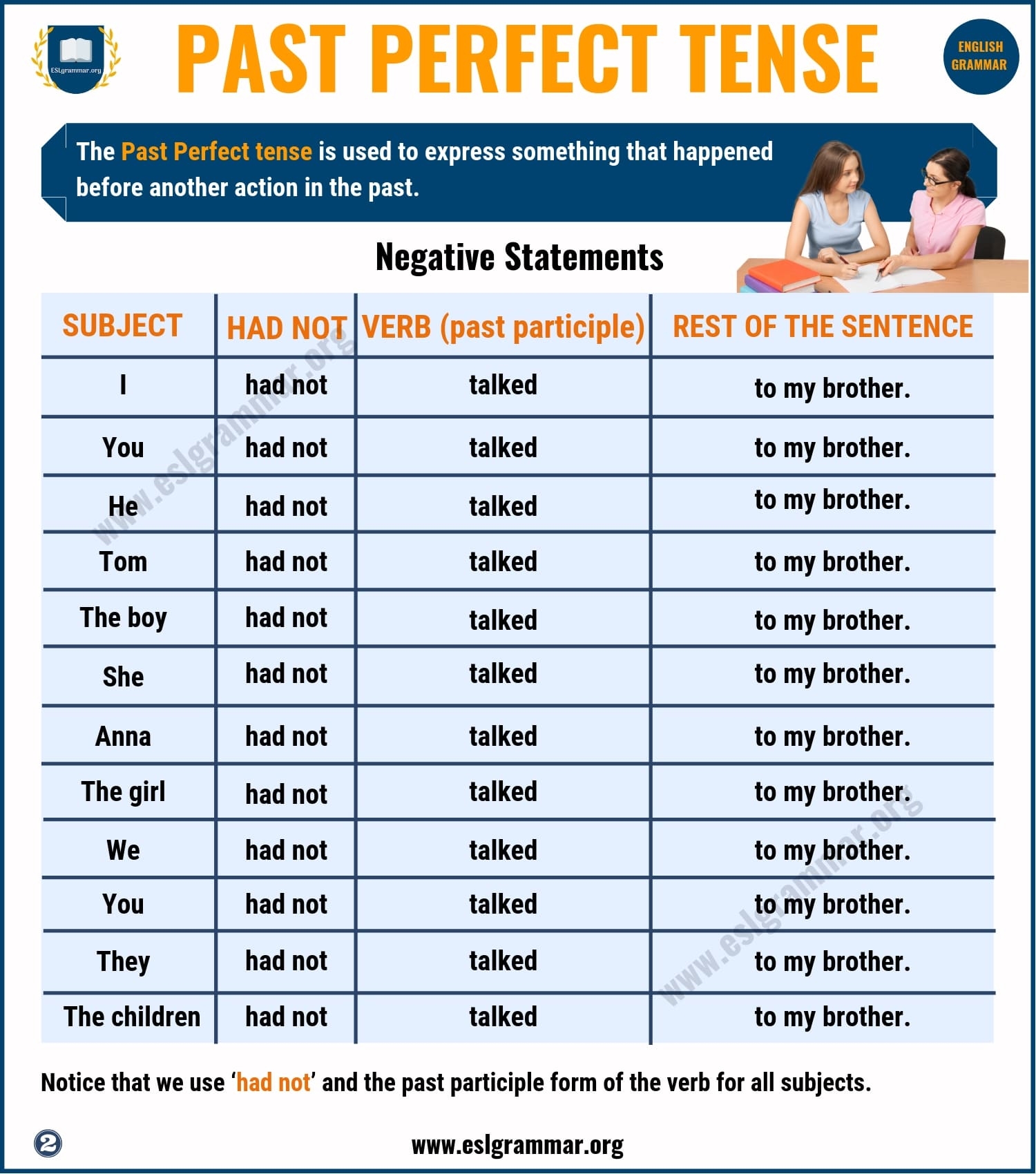
When telling a story or recounting events that occurred in the past, using past perfect and past tense correctly can help create a clear timeline for the reader. By using past perfect to show the sequence of events that happened before a specific point in time, and past tense to describe the actions that occurred at that point, you can provide a well-structured narrative that is easy to follow.
It is important to note that past perfect is often used in conjunction with past tense to provide additional context and clarity to the timeline of events. By mastering the usage of both tenses, you can avoid confusion and ensure that your writing is grammatically correct and coherent.
In conclusion, past perfect and past tense are vital components of the English language that help convey the sequence of events in a narrative. By understanding when and how to use these tenses effectively, you can improve your writing skills and communicate more clearly with others. Practice using past perfect and past tense in your writing to enhance your storytelling abilities and create compelling narratives that engage and captivate your audience.