Verbs play a crucial role in the English language as they convey action and help to paint a vivid picture in the reader’s mind. Understanding the difference between passive and active verbs can greatly enhance the clarity and impact of your writing. Let’s delve deeper into the world of verbs and explore how they can be used effectively.
Passive verbs are used when the subject of the sentence is acted upon by the verb, while active verbs are used when the subject performs the action. For example, in the sentence “The book was read by the student,” the verb “was read” is passive because the book is being acted upon. On the other hand, in the sentence “The student read the book,” the verb “read” is active because the student is performing the action.
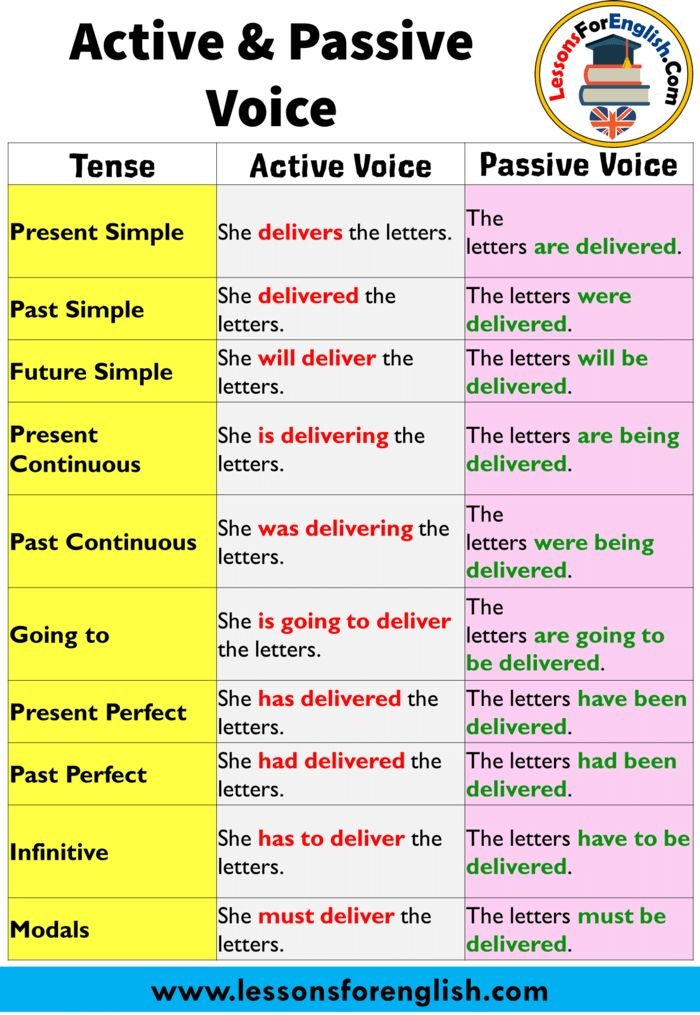
Using active verbs in your writing can make it more engaging and dynamic. Active verbs help to create a sense of immediacy and can make your writing more concise and direct. By using active verbs, you can clearly communicate who is performing the action and avoid ambiguity. On the other hand, passive verbs can make your writing sound dull and passive. They can also obscure the doer of the action, leading to confusion or a lack of clarity.
It is important to choose the right verb form based on the context and message you want to convey. Active verbs are often preferred in writing that aims to be engaging and persuasive, such as in marketing copy or storytelling. Passive verbs, on the other hand, may be more appropriate in scientific or technical writing where the focus is on the action rather than the doer.
Ultimately, mastering the use of passive and active verbs can elevate your writing and make it more impactful. By being mindful of the verbs you choose and the effect they have on your writing, you can craft compelling and clear prose that resonates with your audience. So, next time you sit down to write, think about the power of verbs and how they can help you communicate your message effectively.
In conclusion, understanding the difference between passive and active verbs is essential for effective communication in writing. Whether you are aiming to engage, inform, or persuade your readers, the choice of verbs can make a significant difference in the impact of your message. So, remember to choose your verbs wisely and let them breathe life into your writing.