Phrasal verbs play a crucial role in the English language and are commonly used in both spoken and written communication. These verbs consist of a main verb combined with one or more particles, such as prepositions or adverbs, to create a new meaning that is often idiomatic. Understanding phrasal verbs is essential for language learners to grasp the nuances of English and communicate effectively.
Phrasal verbs are versatile and dynamic, allowing speakers to convey a wide range of meanings in a concise manner. They can be separable or inseparable, depending on whether the object can come between the verb and the particle. For example, “turn on” is a separable phrasal verb, as in “Turn the lights on,” while “put up with” is inseparable, as in “I can’t put up with his behavior anymore.” Phrasal verbs can also be transitive or intransitive, requiring an object or not.
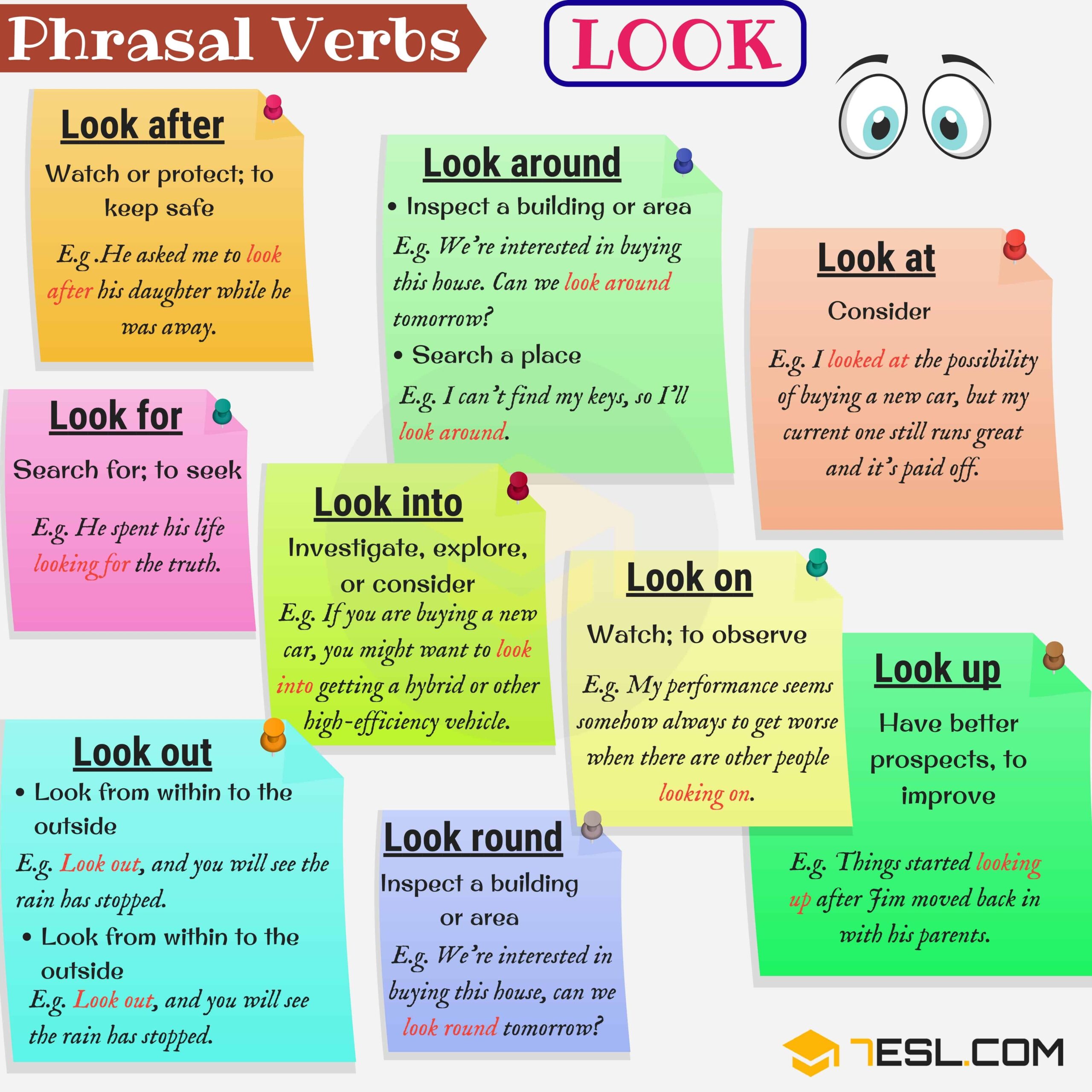
One of the challenges of learning phrasal verbs is that their meanings are often idiomatic and may not be easily deduced from the individual words. For instance, “give up” means to stop doing something, while “give in” means to surrender or submit. It is essential to memorize the meanings and usage of phrasal verbs in context to use them accurately in conversation or writing.
Phrasal verbs are prevalent in informal and casual communication, making them an integral part of everyday English. They add depth and nuance to language, allowing speakers to express emotions, actions, and relationships effectively. Additionally, phrasal verbs are commonly used in idioms, slang, and colloquial expressions, giving language learners insight into the cultural nuances of English-speaking communities.
Despite their importance, phrasal verbs can be challenging for non-native speakers to master due to their varied meanings and usage. However, with practice and exposure to authentic language materials, learners can improve their understanding and usage of phrasal verbs. Using phrasal verbs correctly can enhance language proficiency and help learners communicate more fluently and naturally in English.
In conclusion, phrasal verbs are an essential aspect of the English language, adding depth, nuance, and versatility to communication. By mastering phrasal verbs, language learners can enrich their language skills and better understand the subtleties of English. Practice, exposure, and context are key to effectively using phrasal verbs in conversation and writing, ultimately enhancing language proficiency and fluency.