Passive voice sentences are often misunderstood and underutilized in writing. Many people tend to avoid using passive voice, thinking it makes their writing weak or unclear. However, understanding when and how to use passive voice can actually enhance your writing and make it more engaging for readers.
Passive voice is a construction where the subject of the sentence is acted upon by the verb. This differs from active voice, where the subject performs the action. While active voice is generally preferred for its directness and clarity, passive voice can be useful in certain situations.
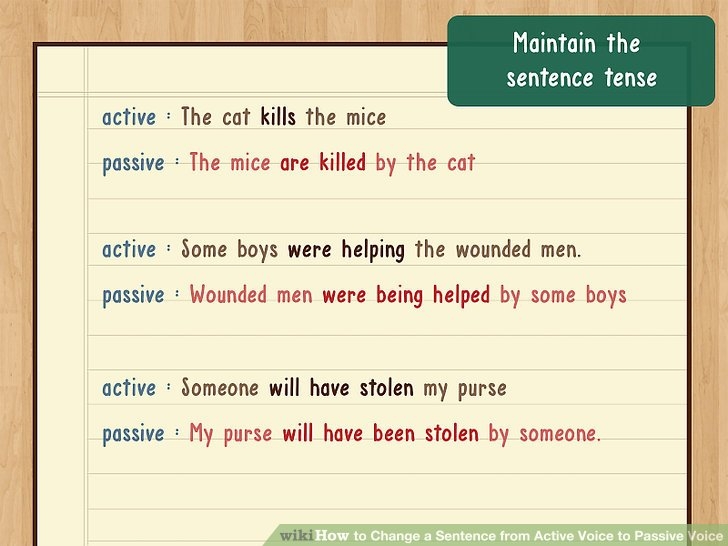
Examples of Passive Voice Sentences
One common use of passive voice is when the subject of the sentence is unknown or unimportant. For example, “The cake was eaten” does not specify who ate the cake, making the focus on the action itself rather than the doer. This can be helpful when the doer is irrelevant or unknown.
Passive voice can also be used to create a sense of formality or objectivity in writing. For instance, “The results were analyzed by the research team” sounds more formal and professional than “The research team analyzed the results.” This can be particularly useful in academic or scientific writing.
Additionally, passive voice can be used to shift the focus of a sentence. By placing the object of the action at the beginning of the sentence, passive voice can draw attention to what is being acted upon rather than who is doing the action. This can be effective in emphasizing certain information or creating a more nuanced tone in your writing.
It is important to note that overusing passive voice can lead to confusion or wordiness in your writing. Finding a balance between active and passive voice is key to creating clear and engaging prose. By understanding the nuances of passive voice sentences and how to use them effectively, you can elevate your writing and connect more effectively with your audience.
In conclusion, passive voice sentences have their place in writing and should not be overlooked. By mastering the use of passive voice, you can add variety and depth to your writing, creating a more dynamic and engaging reading experience for your audience.