Understanding tenses in English grammar is crucial for effective communication. Tenses help us convey the timing of actions and events, allowing us to express ourselves accurately in both spoken and written language. By mastering tenses, we can create clearer and more precise messages that are easily understood by others.
There are different tenses in English grammar that indicate when an action takes place – past, present, and future. Each tense has its own set of rules and structures that dictate how verbs are conjugated to show the timing of an action. By learning how to use tenses correctly, we can avoid confusion and miscommunication in our conversations and writing.
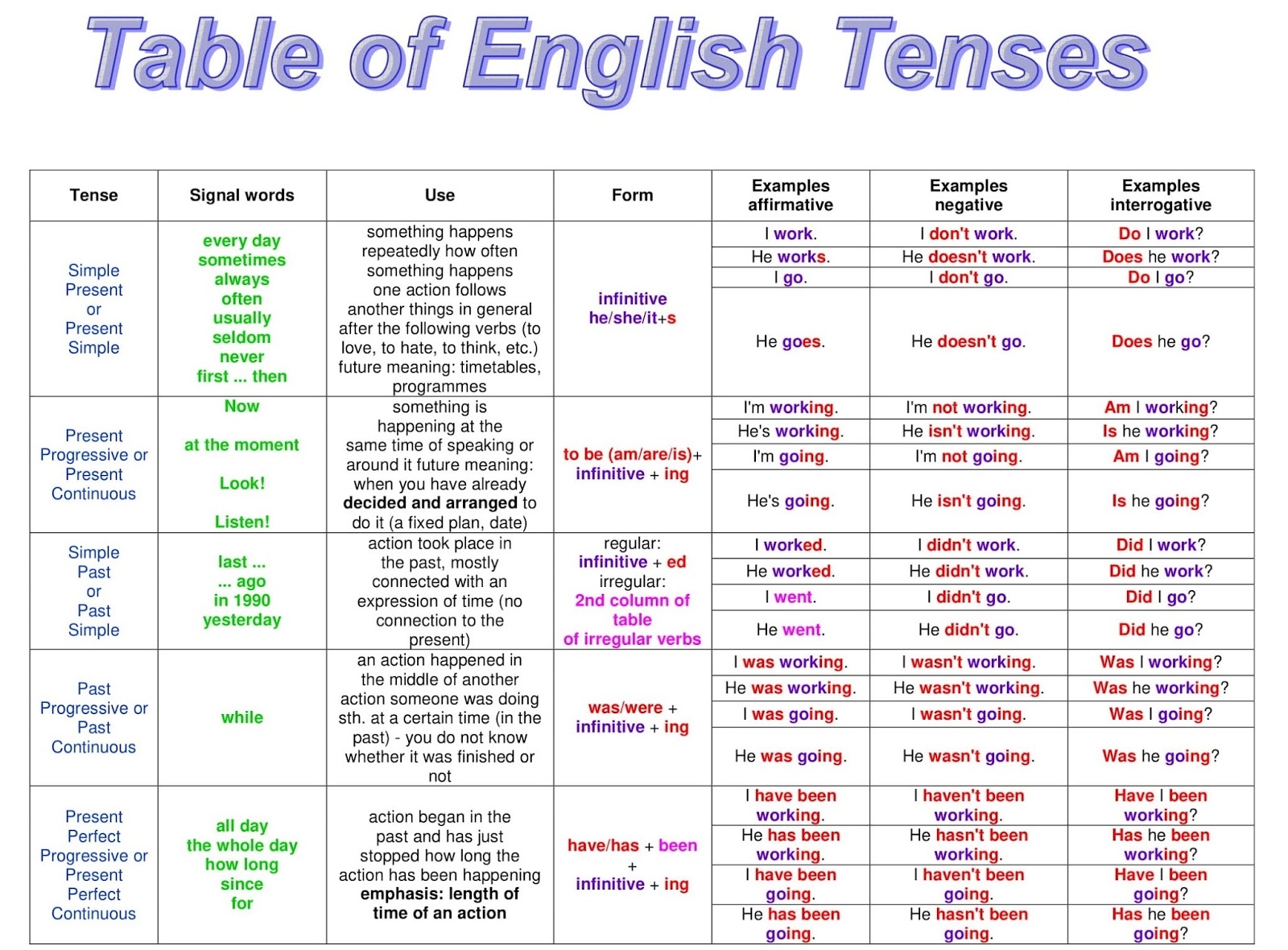
Tenses in English Grammar
In English grammar, there are 12 main tenses that are used to indicate the timing of an action or event. These tenses are divided into three main categories: simple, continuous, and perfect. The simple tenses include present simple, past simple, and future simple, while the continuous tenses include present continuous, past continuous, and future continuous. The perfect tenses consist of present perfect, past perfect, and future perfect.
Each tense has a specific form that is used to conjugate verbs, such as adding -ed for regular verbs in the past simple tense or using auxiliary verbs like “have” or “will have” in the perfect tenses. It is important to understand these forms and how they are used in sentences to accurately convey the timing of actions and events.
Using tenses correctly is essential for effective communication in English. By mastering the rules and structures of tenses, we can create clear and coherent sentences that accurately convey the timing of actions and events. Practice is key to improving your understanding and proficiency in using tenses, so be sure to regularly practice and apply your knowledge in everyday conversations and writing.
In conclusion, tenses play a vital role in English grammar by indicating the timing of actions and events. By mastering the different tenses and their forms, we can communicate more effectively and convey our messages accurately. Practice and consistency are key to improving your skills in using tenses, so keep practicing and applying your knowledge to become more confident in expressing yourself in English.