Learning a new language can be both challenging and rewarding. When it comes to Portuguese, one of the aspects that often trips up learners are irregular verbs. In Portuguese, there are several irregular verbs that do not follow the standard conjugation patterns. Understanding these irregular verbs is essential for mastering the language and being able to communicate effectively.
Irregular verbs in Portuguese can be tricky to conjugate because they do not follow the regular rules of verb conjugation. While regular verbs in Portuguese typically follow predictable patterns based on their infinitive endings, irregular verbs have unique conjugations that must be memorized. This makes them a bit more challenging to master, but with practice and repetition, you can become more comfortable with using these verbs in conversation.
Portuguese Irregular Verbs
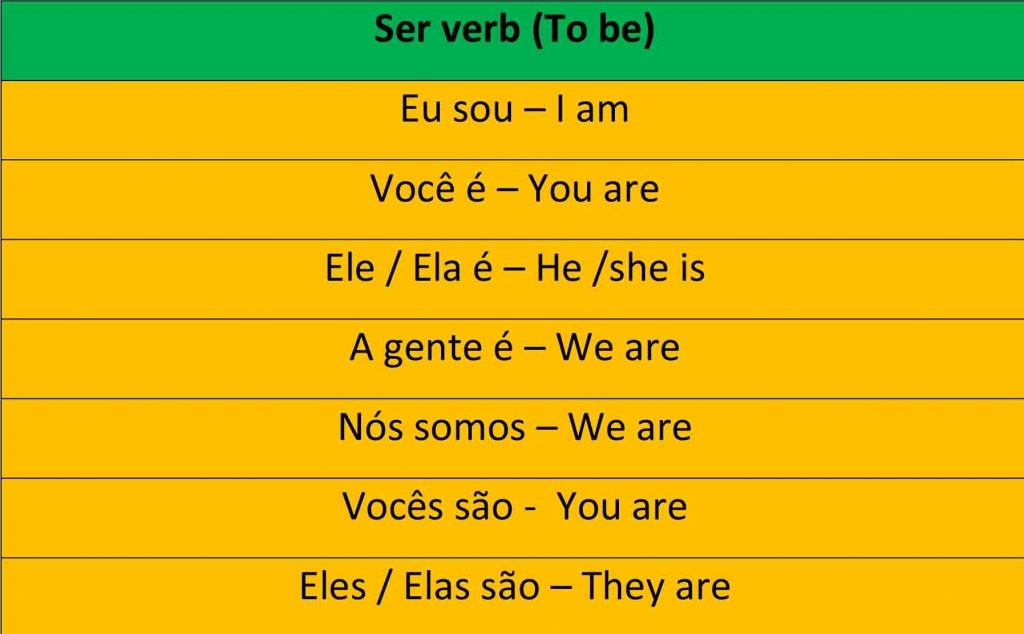
One of the most common irregular verbs in Portuguese is “ser,” which means “to be.” The conjugation of “ser” in the present tense is irregular, with forms such as “sou” (I am) and “somos” (we are). Another irregular verb is “ir,” which means “to go.” The present tense conjugation of “ir” includes forms like “vou” (I go) and “vamos” (we go). These irregular verbs are essential to know in order to express actions and states of being accurately in Portuguese.
In addition to “ser” and “ir,” there are several other irregular verbs in Portuguese that you will encounter as you continue to learn the language. Verbs like “ter” (to have), “dar” (to give), and “estar” (to be) all have irregular conjugations in certain tenses. It is important to study and practice these irregular verbs regularly in order to improve your proficiency in Portuguese and feel more confident in your language skills.
While irregular verbs in Portuguese may seem daunting at first, with dedication and practice, you can become more comfortable with using them correctly in conversation. By studying the conjugation patterns of irregular verbs and practicing them in context, you can improve your fluency and communicate more effectively in Portuguese. Remember that mastering irregular verbs is an important step in becoming proficient in the language, so don’t be afraid to tackle them head-on!
In conclusion, irregular verbs in Portuguese can be a challenge for language learners, but they are an essential part of mastering the language. By familiarizing yourself with common irregular verbs like “ser,” “ir,” “ter,” and “dar,” you can improve your ability to communicate accurately in Portuguese. Practice regularly and don’t be discouraged by initial difficulties – with time and effort, you can conquer irregular verbs and become a more confident speaker of Portuguese.