When we communicate, whether in writing or speaking, it is essential to use proper grammar to convey our thoughts effectively. One aspect of grammar that plays a crucial role in this is the use of possessive pronouns. Possessive pronouns help us show ownership or belonging, and they play a significant role in clarifying relationships between people or objects. Understanding how to use possessive pronouns correctly can greatly enhance the clarity and precision of our communication.
For example, consider the sentence “This is my book.” The word “my” in this sentence is a possessive pronoun that indicates that the book belongs to the speaker. Without the possessive pronoun, the sentence would simply be “This is a book,” which does not convey the same level of ownership or specificity. Possessive pronouns help us avoid ambiguity and provide crucial information about who or what possesses something.
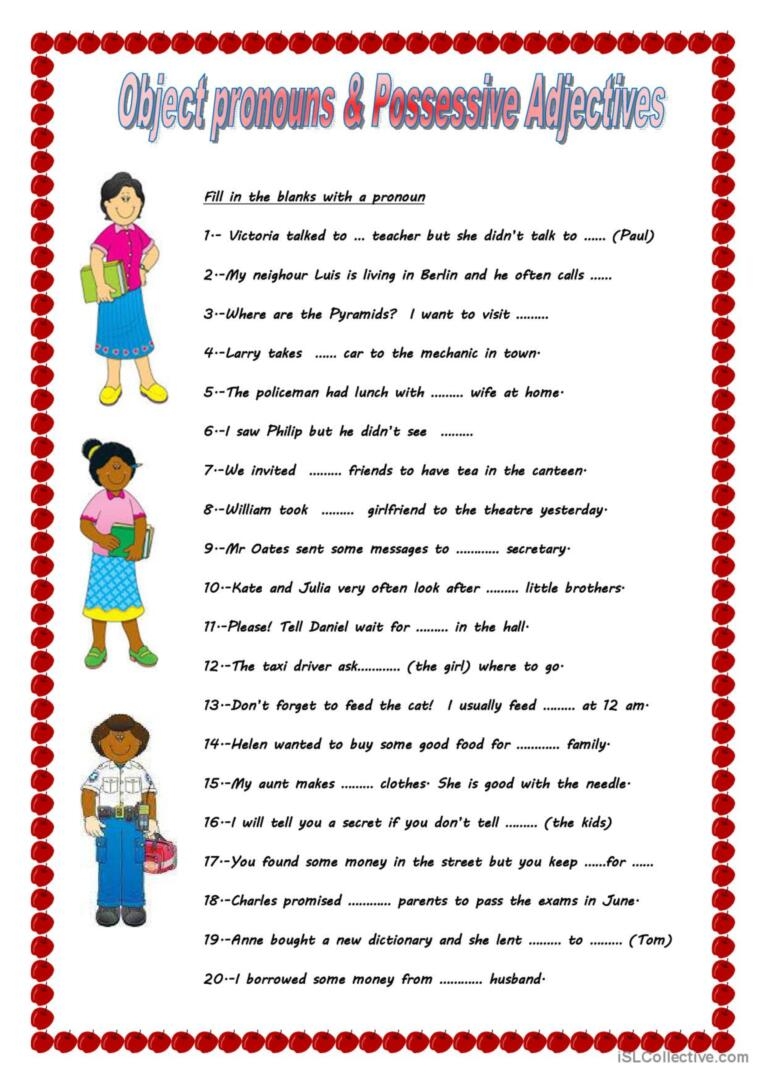
Possessive Pronoun
A possessive pronoun is a pronoun that shows ownership. It indicates that something belongs to someone or something else. Possessive pronouns include words like “my,” “your,” “his,” “her,” “its,” “our,” and “their.” These pronouns replace nouns to indicate possession and help us avoid repetition in our writing or speech.
For example, in the sentence “Sarah lost her keys,” the word “her” is a possessive pronoun that replaces the noun “Sarah’s.” It shows that the keys belong to Sarah. Possessive pronouns are essential for indicating relationships and possession in a clear and concise manner.
It is important to note that possessive pronouns do not require apostrophes. Unlike possessive nouns, which typically include an apostrophe followed by an “s” (e.g., Sarah’s keys), possessive pronouns do not use apostrophes to show ownership. This distinction is crucial to remember when using possessive pronouns in writing.
In conclusion, possessive pronouns play a vital role in our communication by indicating ownership and possession. By using possessive pronouns correctly, we can clarify relationships between people or objects and provide important information about possession. Understanding how to use possessive pronouns effectively can enhance the clarity and precision of our writing and speech, making our communication more effective and impactful.