When it comes to grammar, possessive pronouns play a crucial role in indicating ownership or possession. These pronouns replace nouns and show who or what something belongs to. Understanding how to use possessive pronouns correctly can help improve clarity and coherence in writing.
Whether you’re writing a simple sentence or a complex paragraph, possessive pronouns are essential for conveying relationships between people, objects, or ideas. By mastering the use of possessive pronouns, you can avoid ambiguity and ensure that your message is clearly understood by your audience.
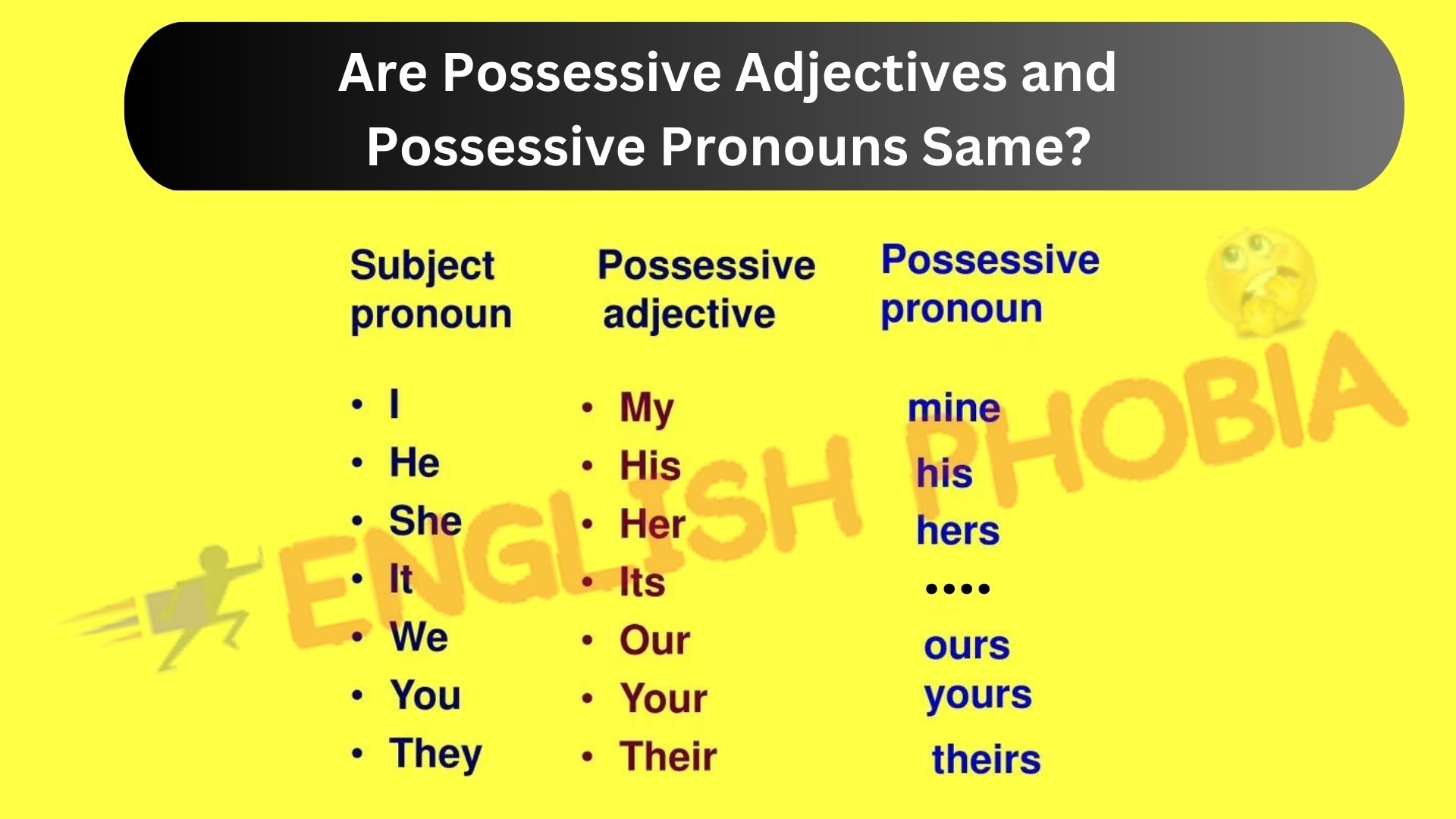
Possessive Pronoun
A possessive pronoun is a pronoun that shows ownership or possession. It indicates that something belongs to someone or something else. Examples of possessive pronouns include “mine,” “yours,” “his,” “hers,” “ours,” and “theirs.” These pronouns can stand alone or be used before a noun to show ownership.
For example, in the sentence “This book is mine,” the possessive pronoun “mine” replaces the noun “book” and shows that the book belongs to the speaker. In the sentence “Is this pen yours?” the possessive pronoun “yours” indicates that the pen belongs to the person being addressed.
It’s important to use possessive pronouns correctly to avoid confusion. Using the wrong possessive pronoun can change the meaning of a sentence and lead to misunderstandings. By paying attention to the context and relationship between nouns, you can choose the appropriate possessive pronoun for your writing.
In addition to indicating ownership, possessive pronouns can also be used to show relationships between people or things. For example, in the sentence “Their house is beautiful,” the possessive pronoun “their” indicates that the house belongs to a group of people. Possessive pronouns can help clarify who or what is being referred to in a sentence.
Overall, possessive pronouns are a valuable tool for writers to indicate ownership, possession, and relationships between nouns. By using possessive pronouns correctly, you can enhance the clarity and effectiveness of your writing. Practice using possessive pronouns in your sentences to improve your grammar skills and communication abilities.
In conclusion, possessive pronouns play a crucial role in grammar and writing by indicating ownership, possession, and relationships between nouns. By mastering the use of possessive pronouns, you can communicate your ideas more effectively and avoid confusion. Remember to pay attention to context and choose the appropriate possessive pronoun for each situation.