When it comes to understanding grammar, possessive pronouns play a crucial role in indicating ownership or possession. These pronouns replace nouns to show who or what something belongs to. They are an essential part of language that help us communicate effectively and clearly.
Without possessive pronouns, it would be challenging to express ownership or describe relationships between people or things. They help us avoid repetition and make our sentences more concise and precise. Understanding how to use possessive pronouns correctly can greatly improve our writing and speaking skills.
Possessive Pronouns
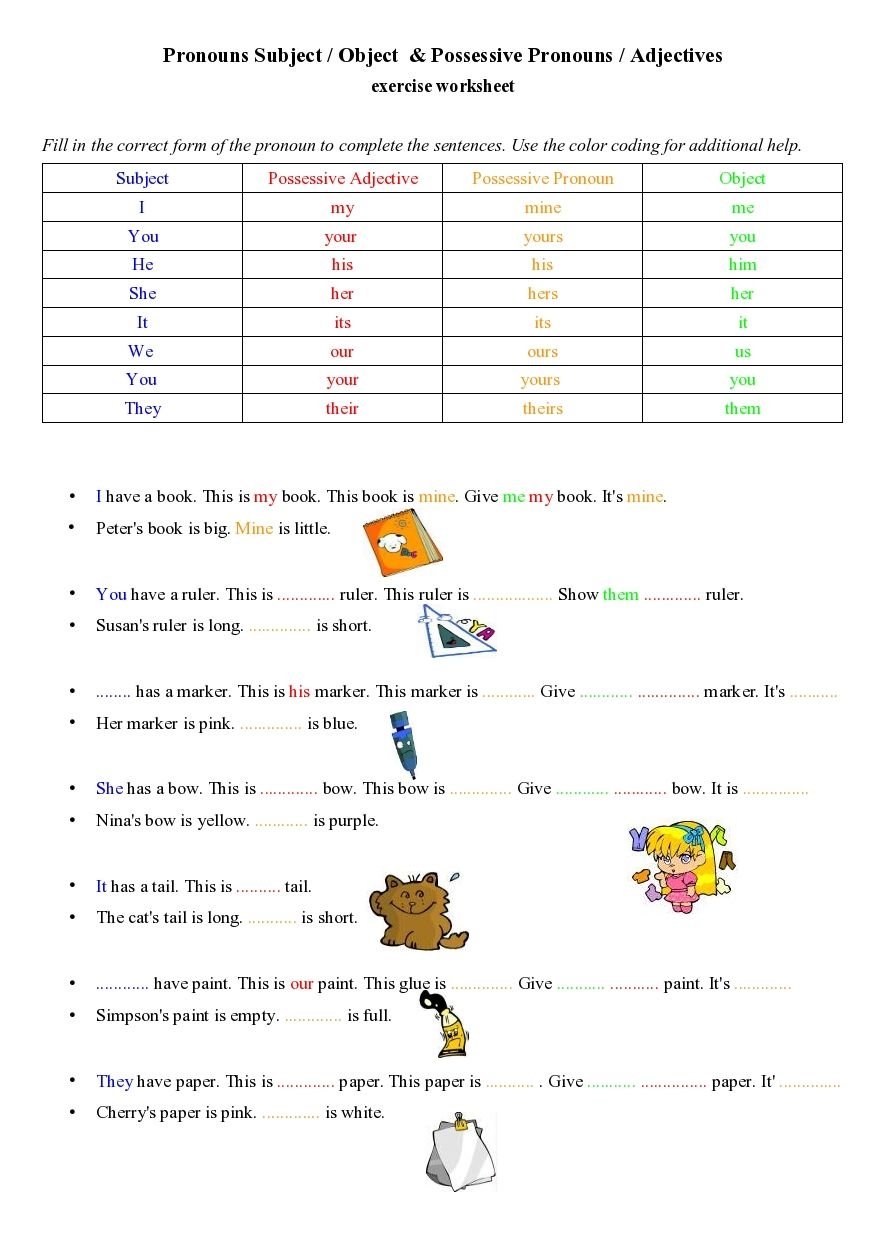
Possessive pronouns are used to indicate that something belongs to someone or something else. They include words like “mine,” “yours,” “his,” “hers,” “ours,” and “theirs,” among others. These pronouns help us avoid using the possessive form of nouns repeatedly in a sentence.
For example, instead of saying “This is John’s car,” you can use the possessive pronoun and say “This car is his.” This not only makes the sentence shorter but also clearer and more concise. Possessive pronouns can also be used to show relationships, such as “This book is hers,” indicating that the book belongs to a specific person.
It is important to note that possessive pronouns do not have apostrophes, unlike possessive nouns. This distinction is crucial in understanding the function of each and using them correctly in sentences. Possessive pronouns help us avoid confusion and ambiguity in our writing and speech.
Additionally, possessive pronouns can also be used to express emotions or feelings of ownership. For example, saying “That idea is mine” demonstrates a sense of pride or ownership over a particular concept. Possessive pronouns allow us to convey our thoughts and emotions effectively in various contexts.
In conclusion, possessive pronouns are essential elements of grammar that help us indicate ownership, relationships, and emotions in our language. By using possessive pronouns correctly, we can enhance the clarity and effectiveness of our communication. Understanding the role of possessive pronouns in sentences is crucial for improving our writing and speaking skills.