Understanding the Placement of “Is” After an Adverb
The English language is filled with nuances that can often confuse learners and even native speakers. One such area of confusion arises when it comes to the placement of the verb “is” after an adverb. This topic is particularly relevant for those looking to refine their writing skills or enhance their understanding of sentence structure. By exploring this concept, we can gain clarity on how adverbs function in relation to verbs, specifically “is.”
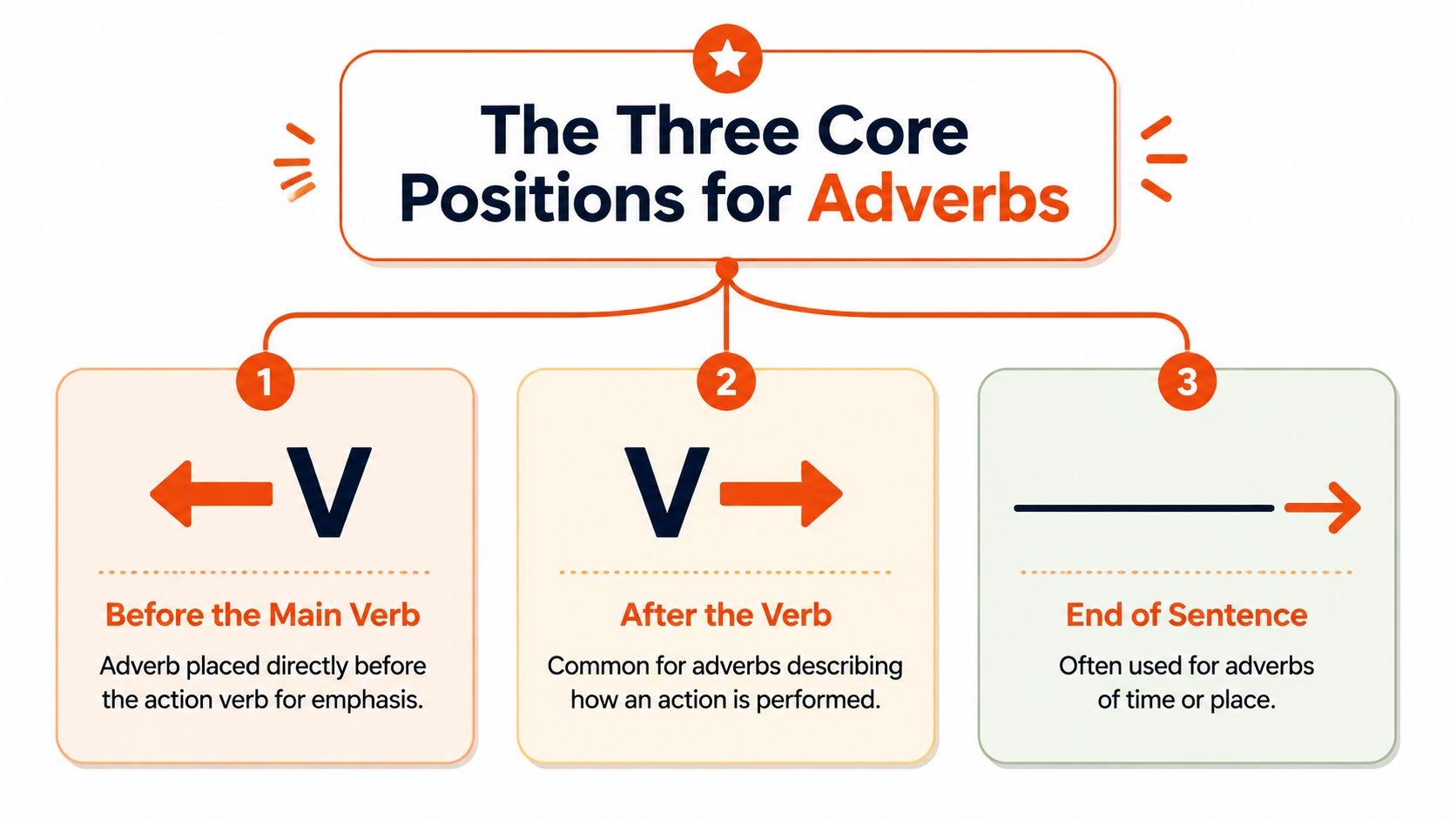
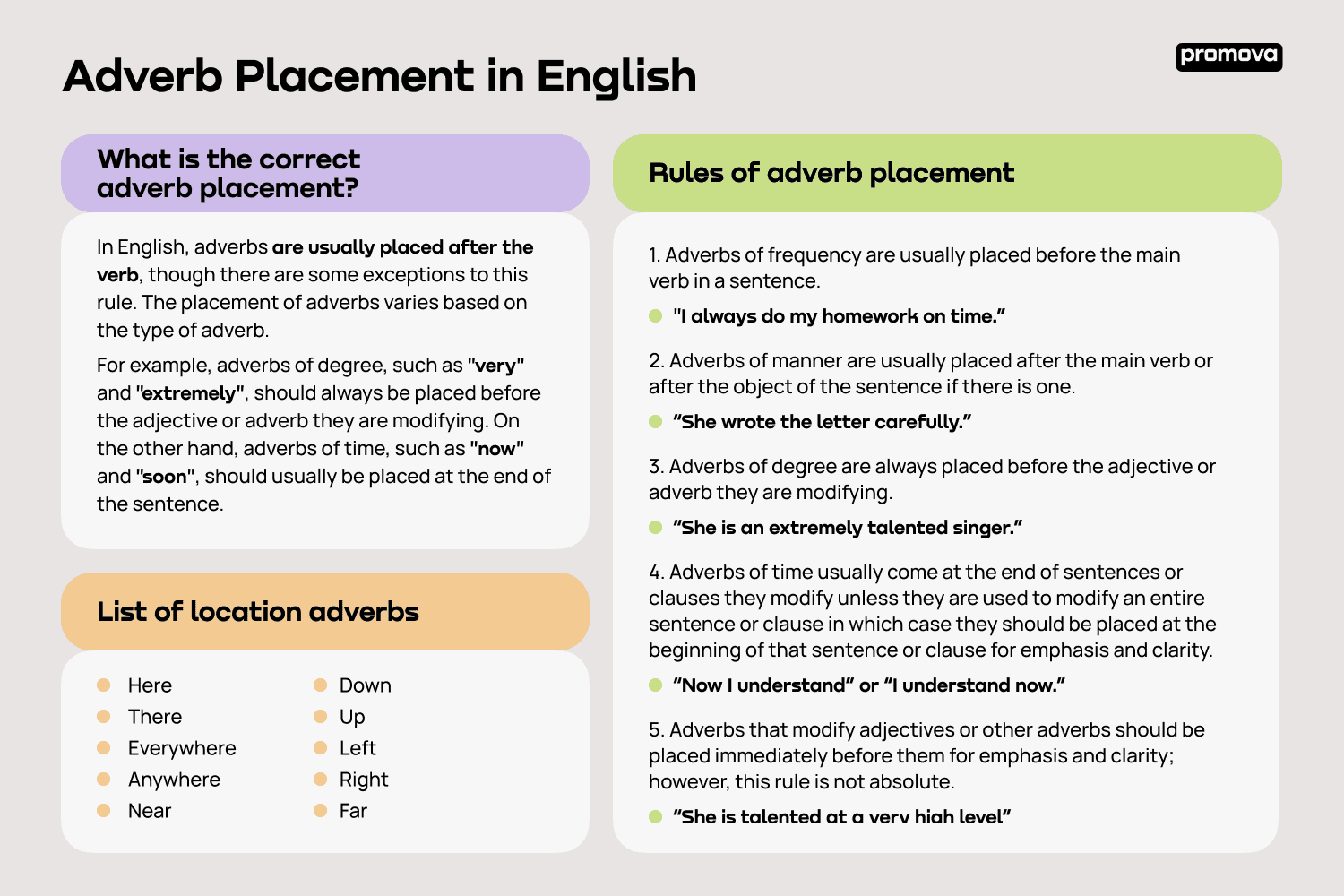
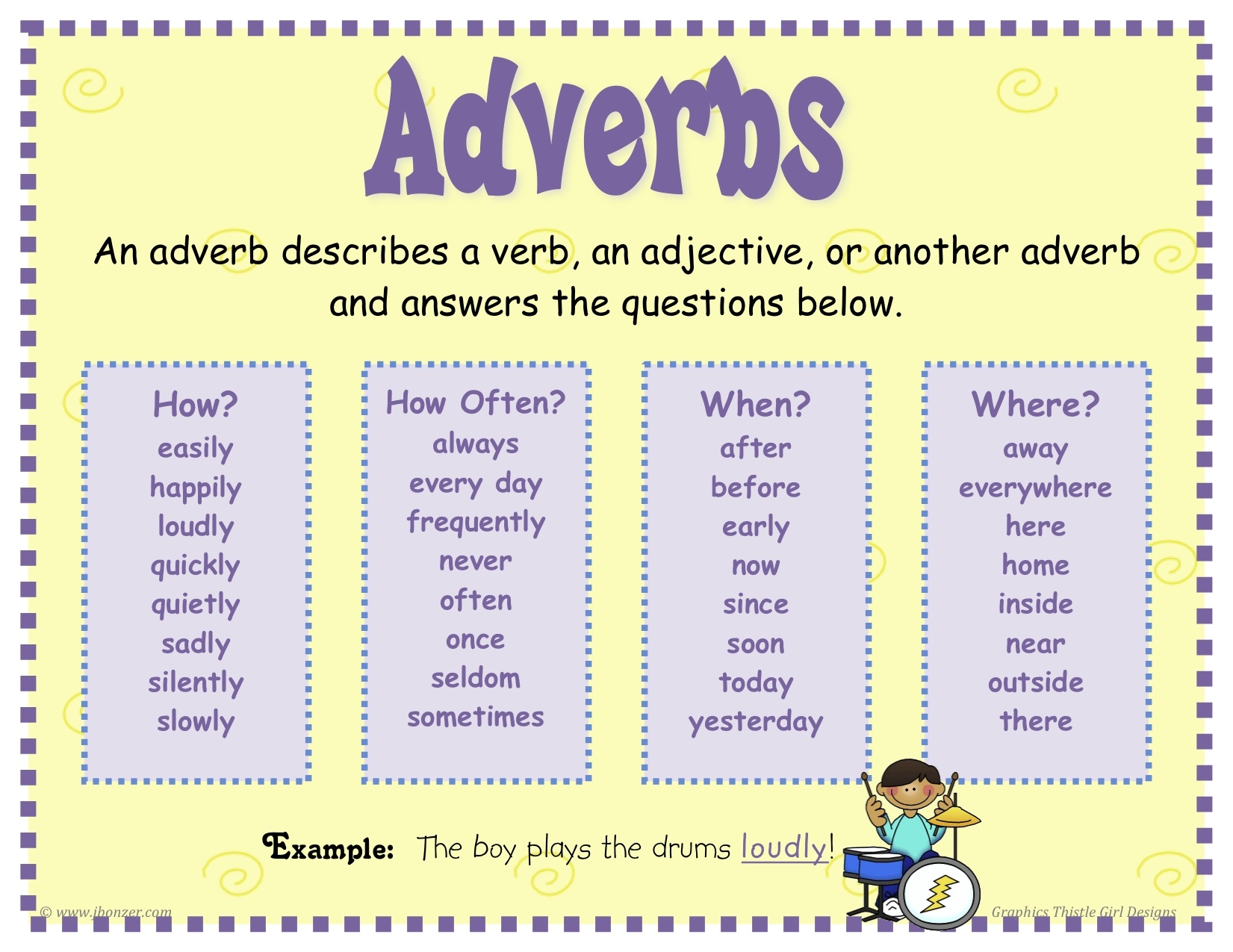
Adverbs play a crucial role in modifying verbs, adjectives, or other adverbs, providing additional context or detail. However, their placement in a sentence can significantly affect the overall meaning and flow. Understanding whether “is” can follow an adverb requires a closer examination of sentence construction and the specific role of adverbs within that structure. This article aims to clarify these points and provide examples for better comprehension.
Is After an Adverb
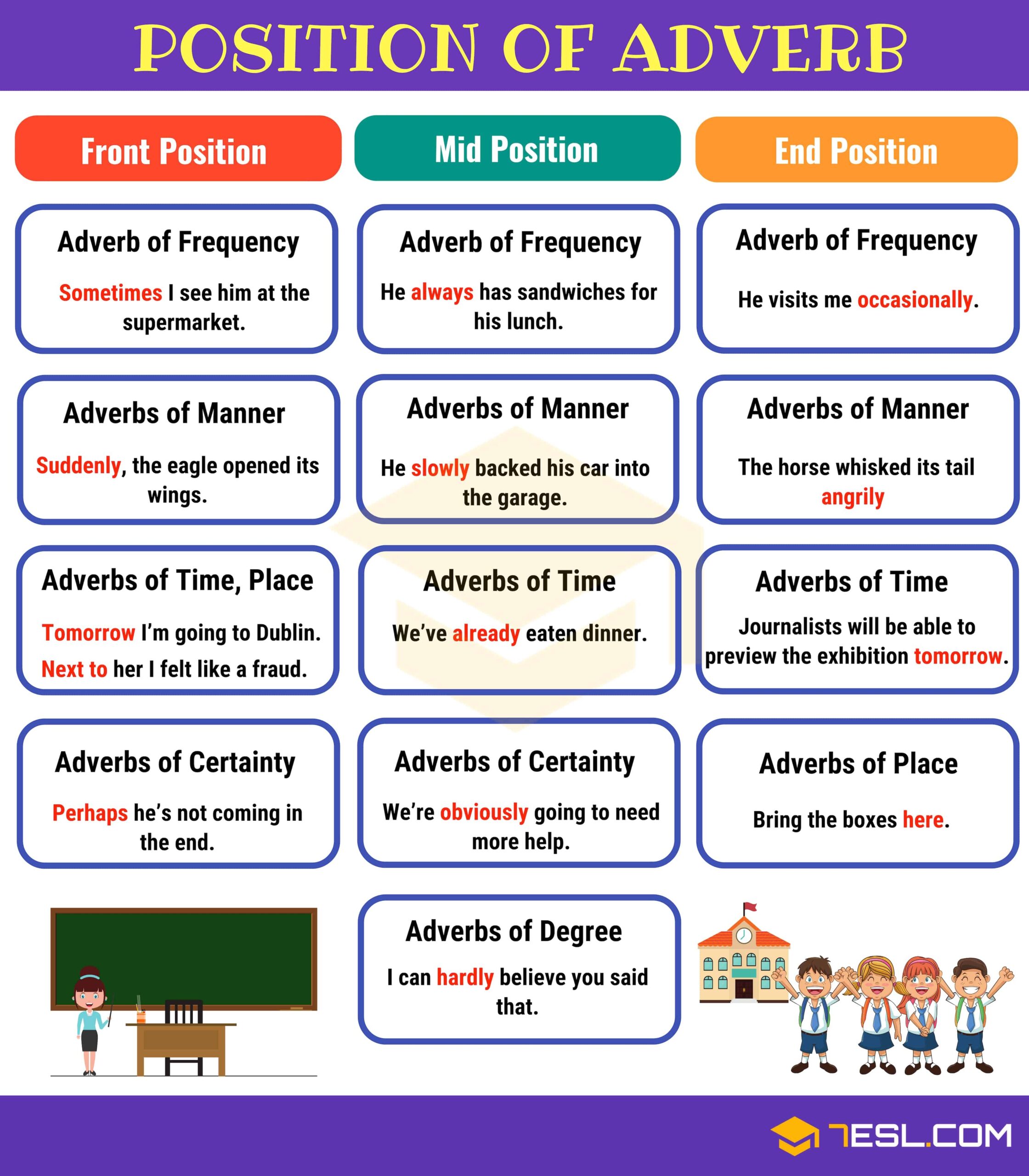
In English grammar, the placement of “is” after an adverb is not only possible but also common in certain contexts. Adverbs can precede or follow the verb “is,” depending on what the speaker intends to emphasize. For instance, consider the sentence: “Quickly is how she completed her task.” Here, the adverb “quickly” emphasizes the manner in which the action was performed.
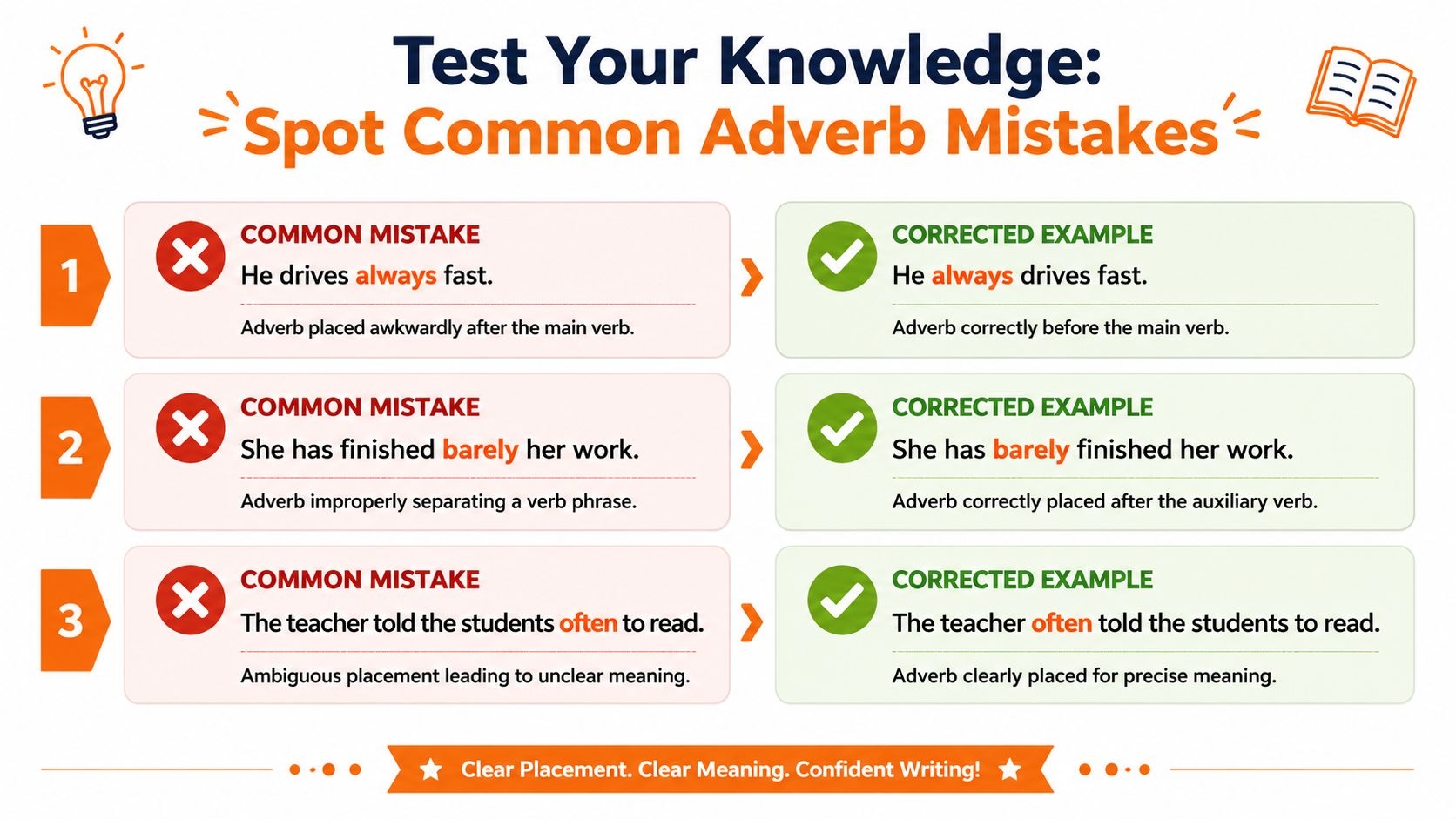
Another example is: “She is always happy.” In this case, the adverb “always” modifies the verb “is,” indicating a consistent state of happiness. The placement of the adverb before “is” helps to highlight its importance in conveying the meaning of the sentence. This structure is particularly useful when emphasizing frequency or manner.
However, it’s essential to note that not all sentences will benefit from placing “is” after an adverb. In some cases, it may lead to awkward phrasing or confusion. For example, saying “Happily is she living her life” sounds unnatural compared to “She is happily living her life.” The latter maintains clarity and adheres to conventional English syntax.
When constructing sentences with adverbs and the verb “is,” consider both clarity and emphasis. If your goal is to highlight how something is done, placing the adverb before “is” can be effective. Conversely, if you want to maintain a more straightforward structure, positioning the adverb after “is” may be preferable.
In conclusion, understanding whether “is” can follow an adverb involves recognizing both grammatical rules and stylistic choices. While it is acceptable in certain contexts, clarity should always be a priority. By practicing these structures and considering their impact on meaning, writers can enhance their command of English grammar.
Download and Print is after an adverb Listed below