Understanding Helping Verbs: Is “Can” a Helping Verb?
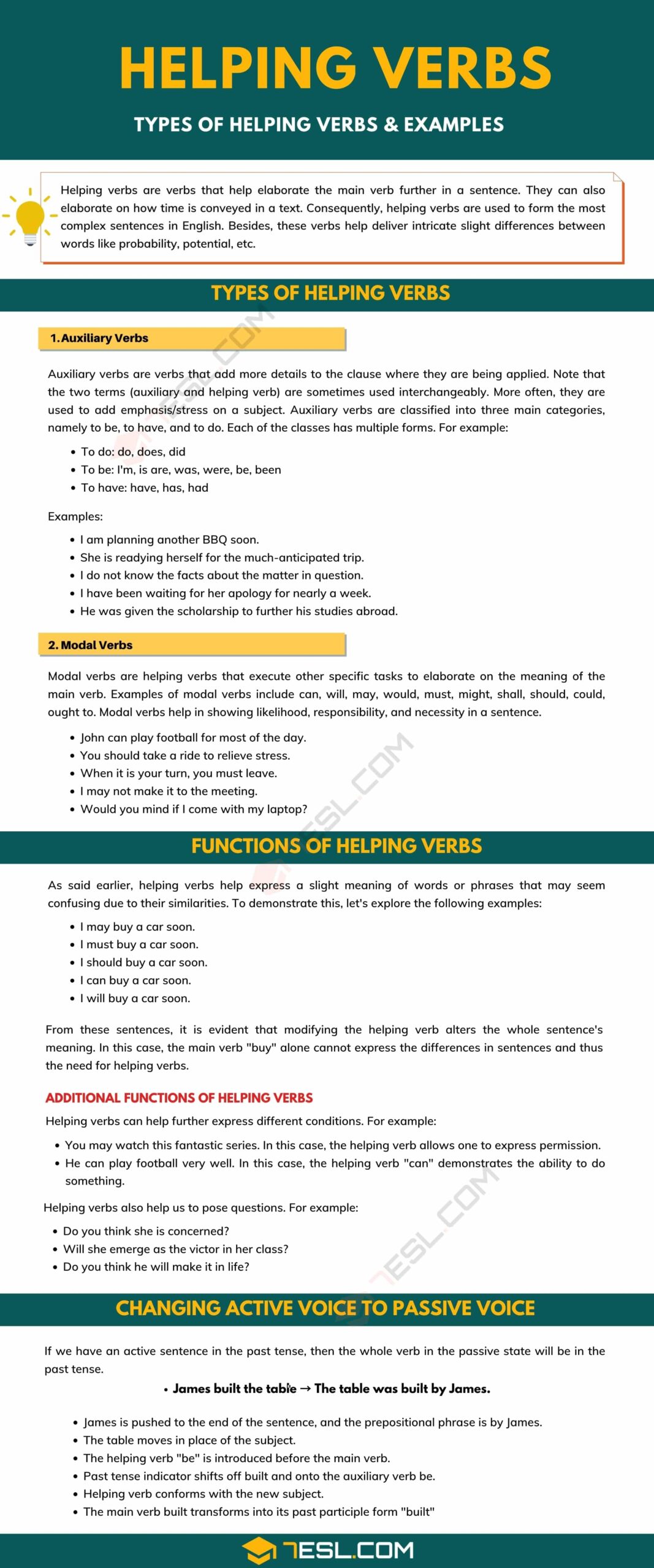
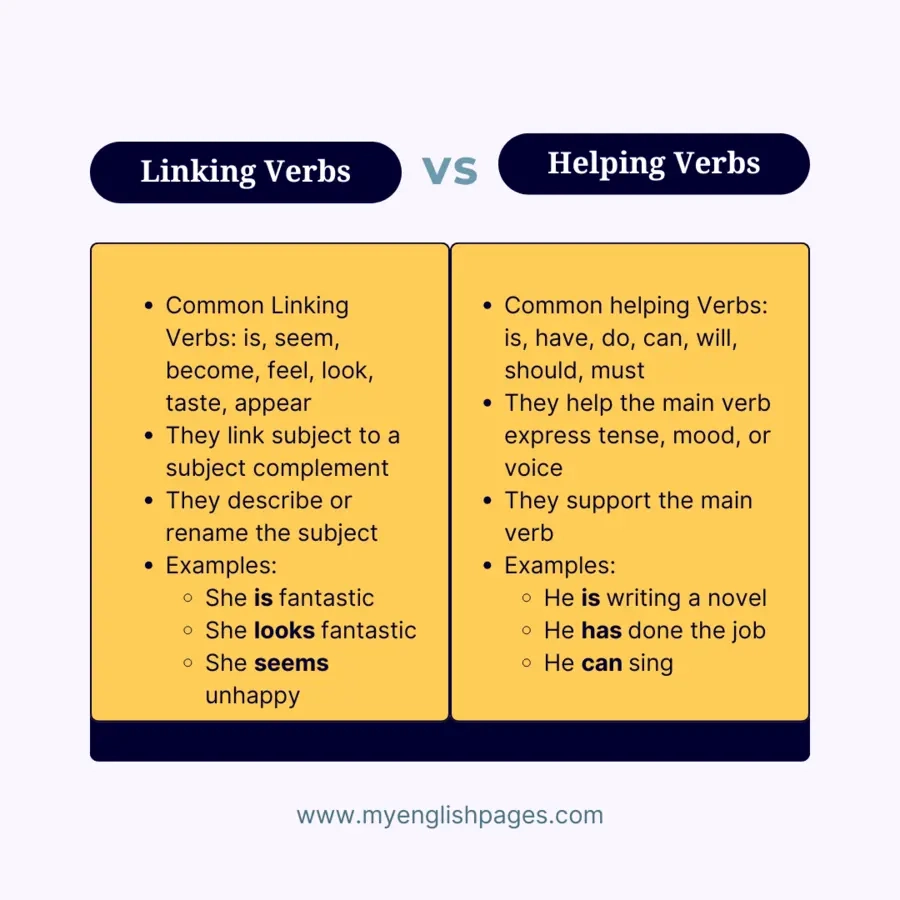
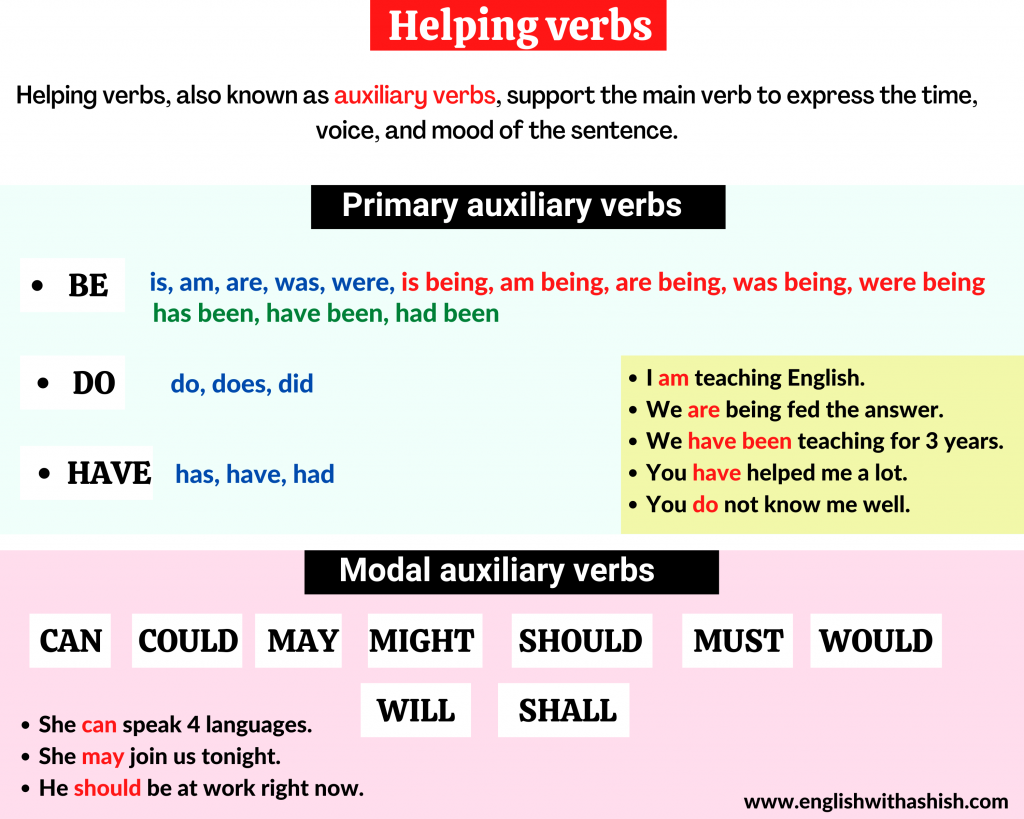
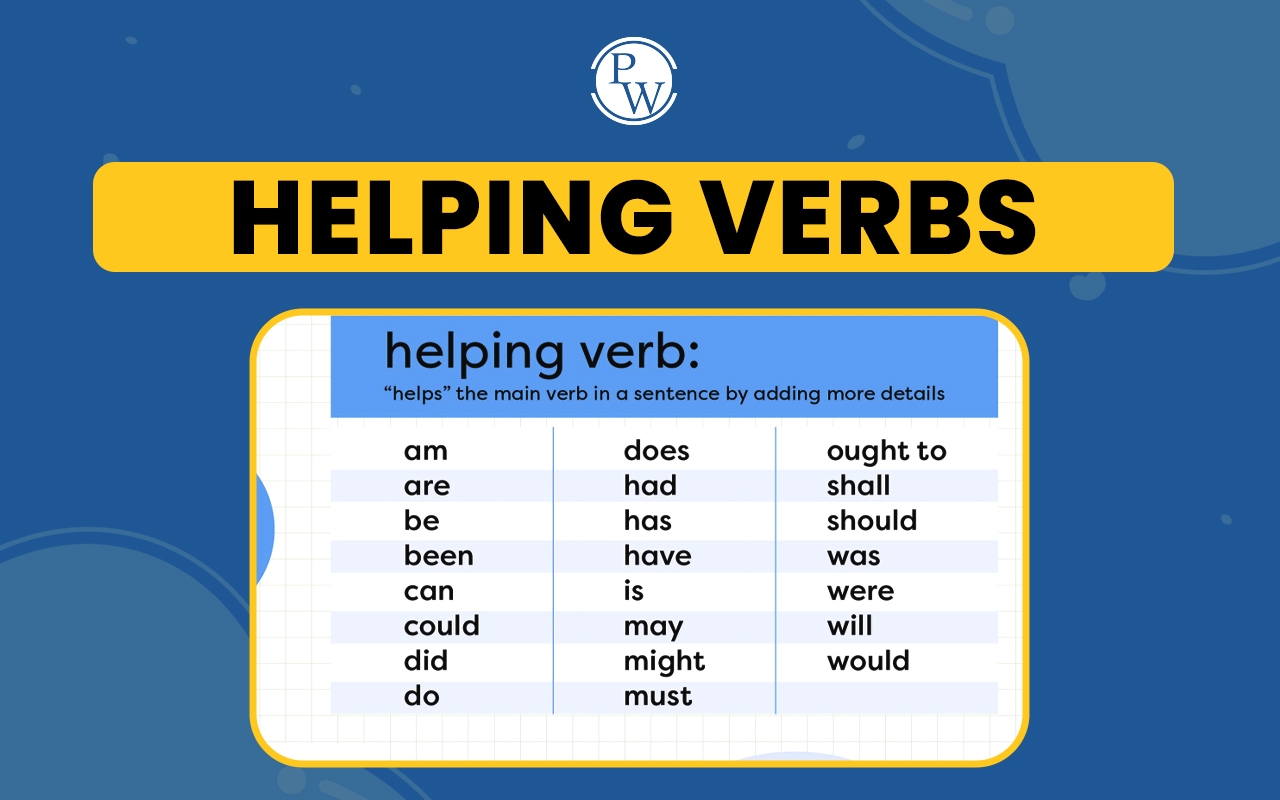
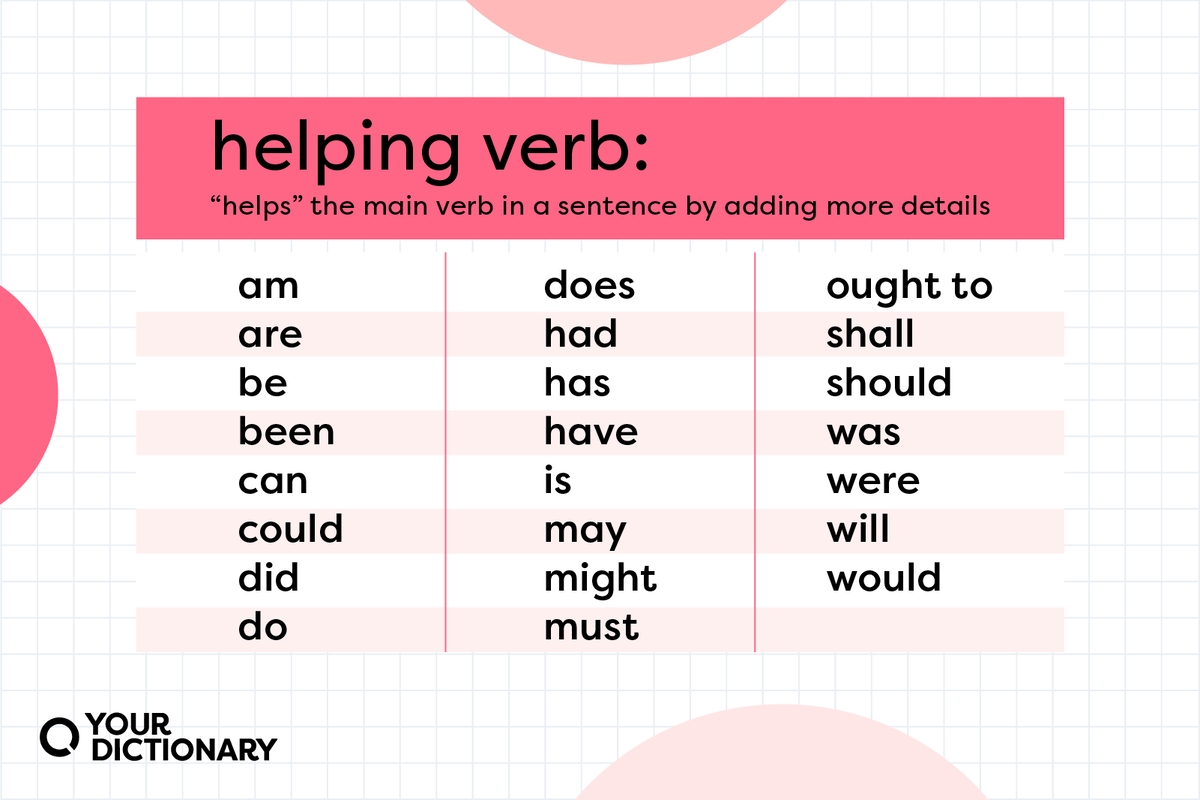
Helping verbs, also known as auxiliary verbs, play a crucial role in English grammar. They assist the main verb in a sentence by providing additional meaning related to time, mood, or voice. Understanding how these verbs function is essential for mastering sentence structure and enhancing communication skills. Among the various helping verbs, “can” often raises questions about its classification and usage.
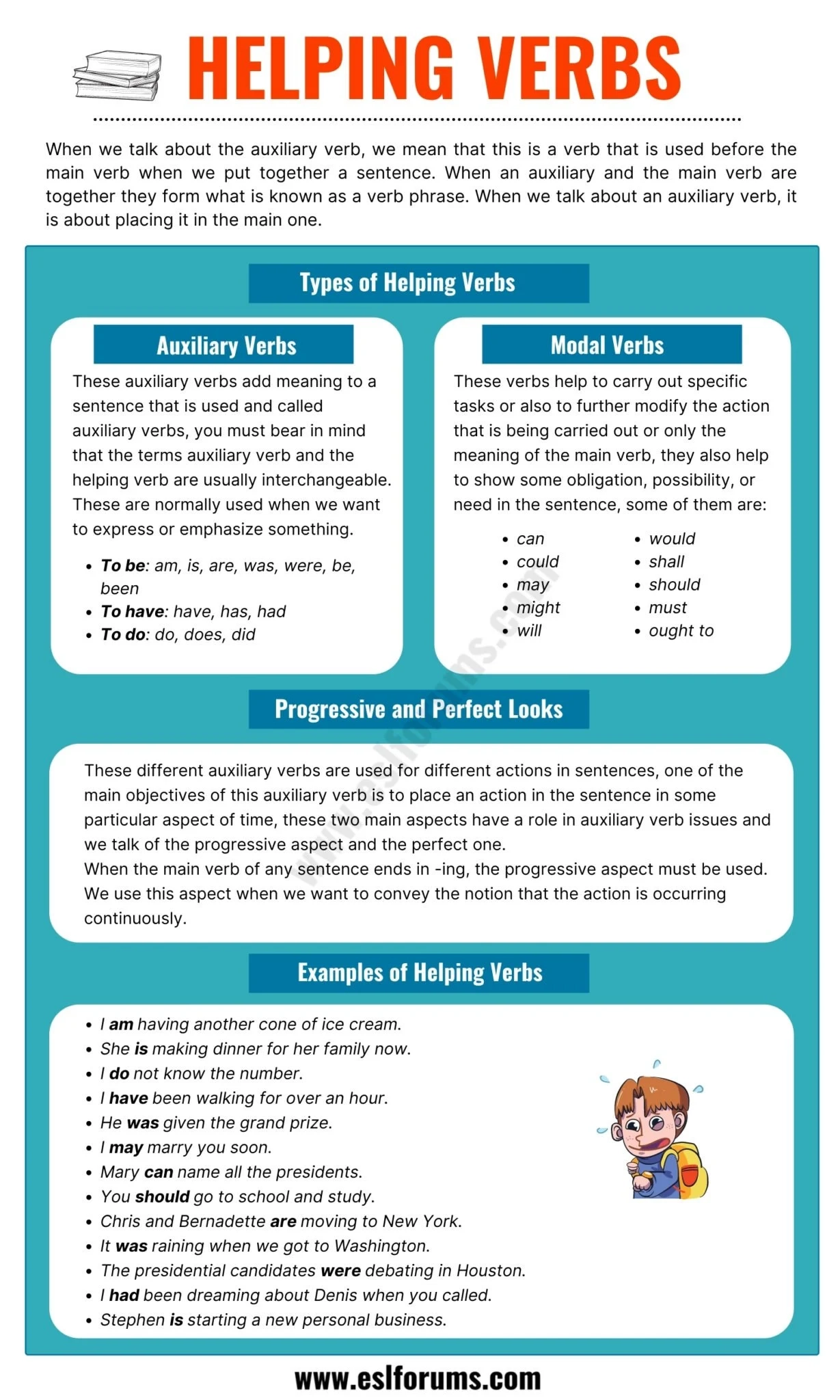
The verb “can” is commonly used to express ability, possibility, or permission. It is an essential part of everyday language and can significantly alter the meaning of a sentence. For instance, saying “I can swim” indicates ability, while “I can go” suggests permission. This versatility makes it important to understand whether “can” qualifies as a helping verb in different contexts.
Is “Can” a Helping Verb?
Yes, “can” is classified as a helping verb. It works alongside the main verb to convey specific meanings. In sentences like “She can dance,” “can” helps to express the ability of the subject to perform the action of dancing. Here, “can” does not stand alone; it enhances the main verb by providing context about capability.
In addition to expressing ability, “can” also indicates possibility. For example, in the sentence “It can rain tomorrow,” “can” suggests that there is a possibility of rain occurring. This usage highlights how helping verbs like “can” contribute to the overall meaning of a sentence by modifying the main verb.
Furthermore, “can” is often used in questions and negative statements, reinforcing its role as a helping verb. For instance, in the question “Can you help me?” and the negative statement “I cannot attend,” “can” assists in forming both interrogative and negative structures. This flexibility showcases its importance in English grammar.
Moreover, understanding how to use “can” correctly can enhance clarity in communication. Using it appropriately allows speakers and writers to convey their intentions more effectively. Whether discussing abilities or possibilities, recognizing “can” as a helping verb aids in constructing grammatically correct sentences.
In conclusion, “can” serves as a vital helping verb in English grammar. Its ability to express capability and possibility makes it an essential component of effective communication. By recognizing its role alongside main verbs, learners can improve their understanding of sentence structure and enhance their language skills.
Download and Print is can a helping verb Listed below