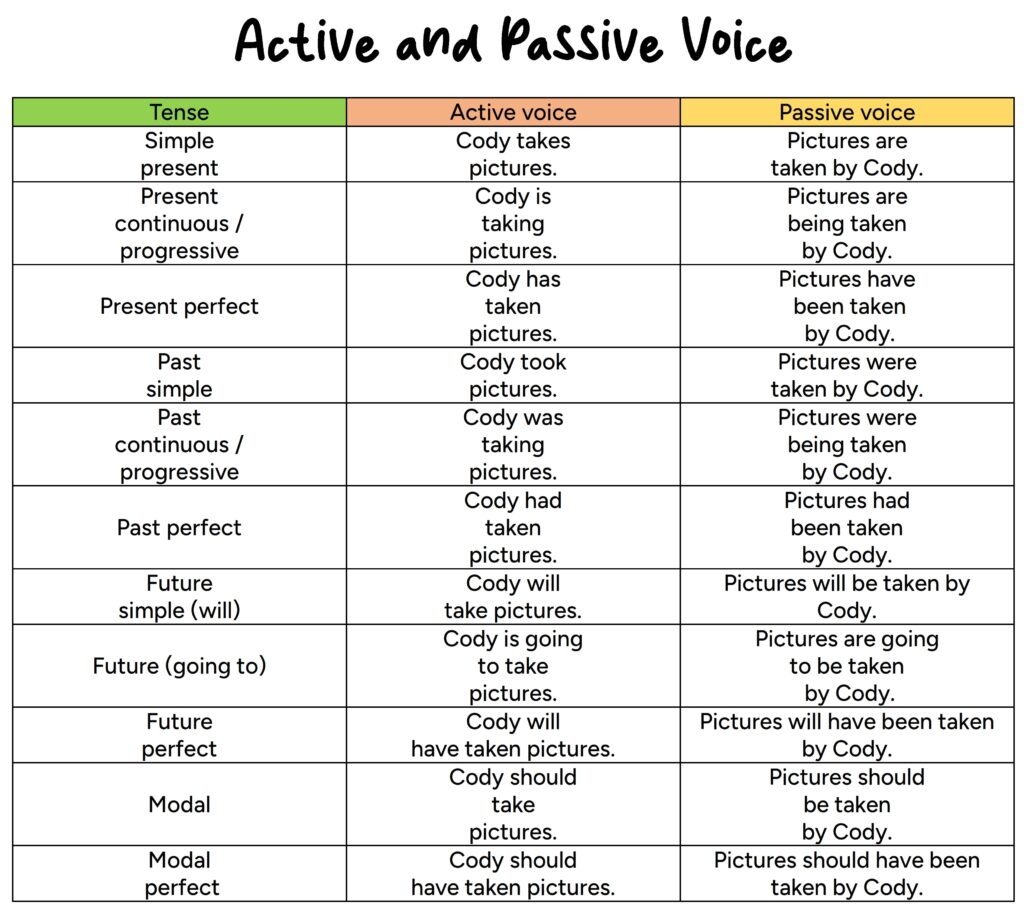
Understanding Verbs for Passive Voice
The passive voice is a crucial aspect of English grammar that shifts the focus from the subject performing an action to the action itself and its recipient. This construction is particularly useful in various contexts, such as academic writing, formal reports, and situations where the doer of the action is unknown or irrelevant. By mastering the use of verbs in passive voice, writers can enhance clarity and emphasize different elements within their sentences.
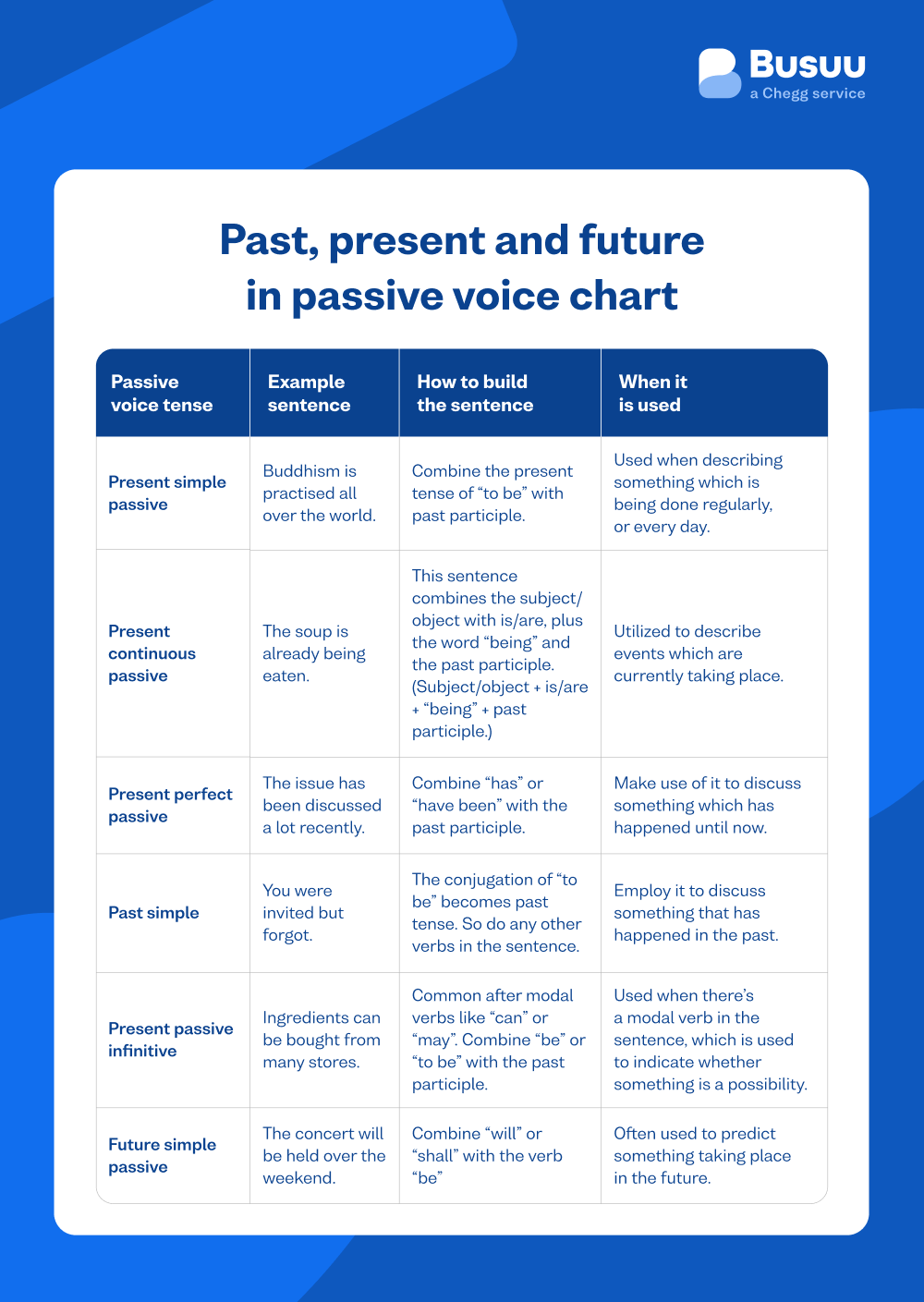
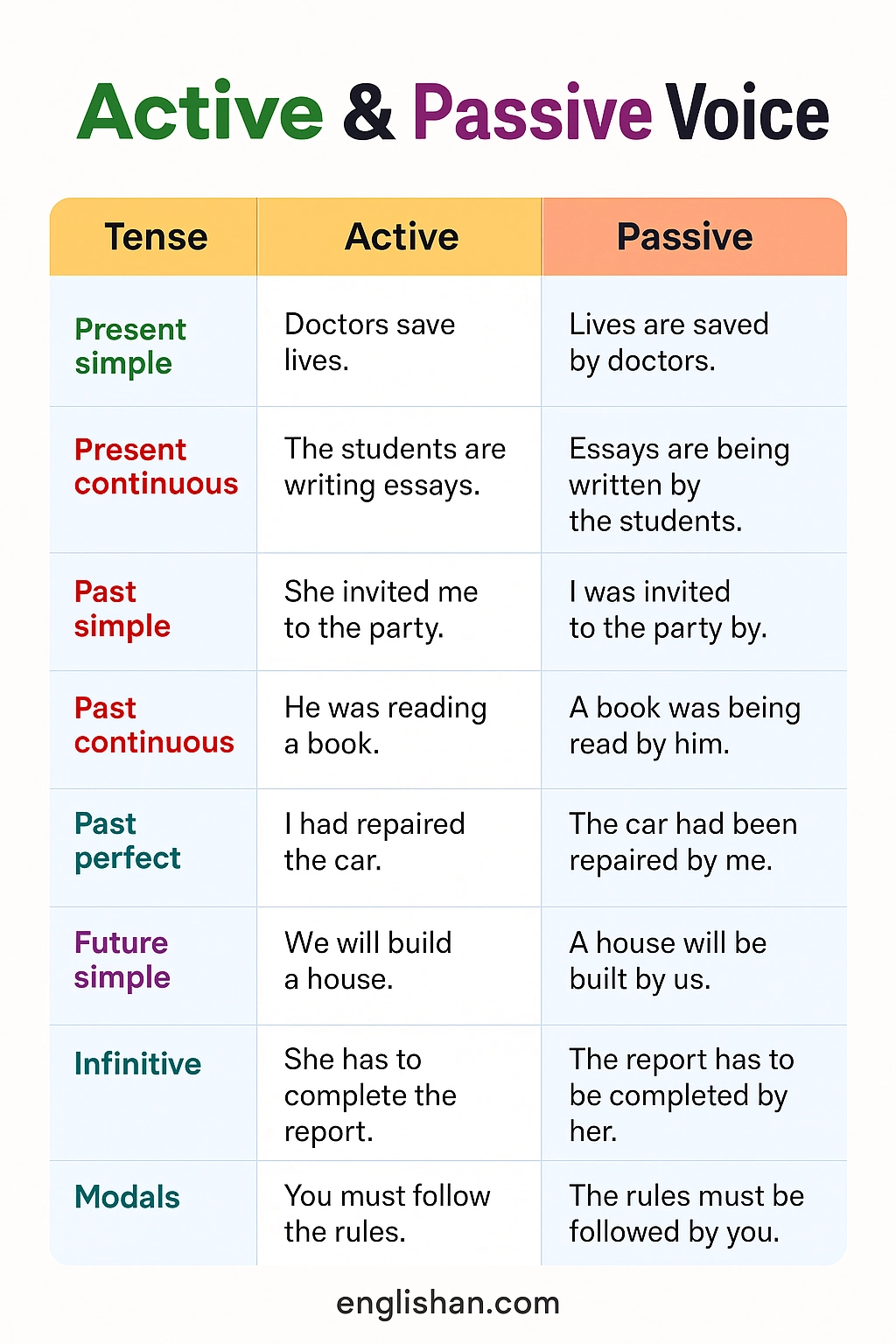
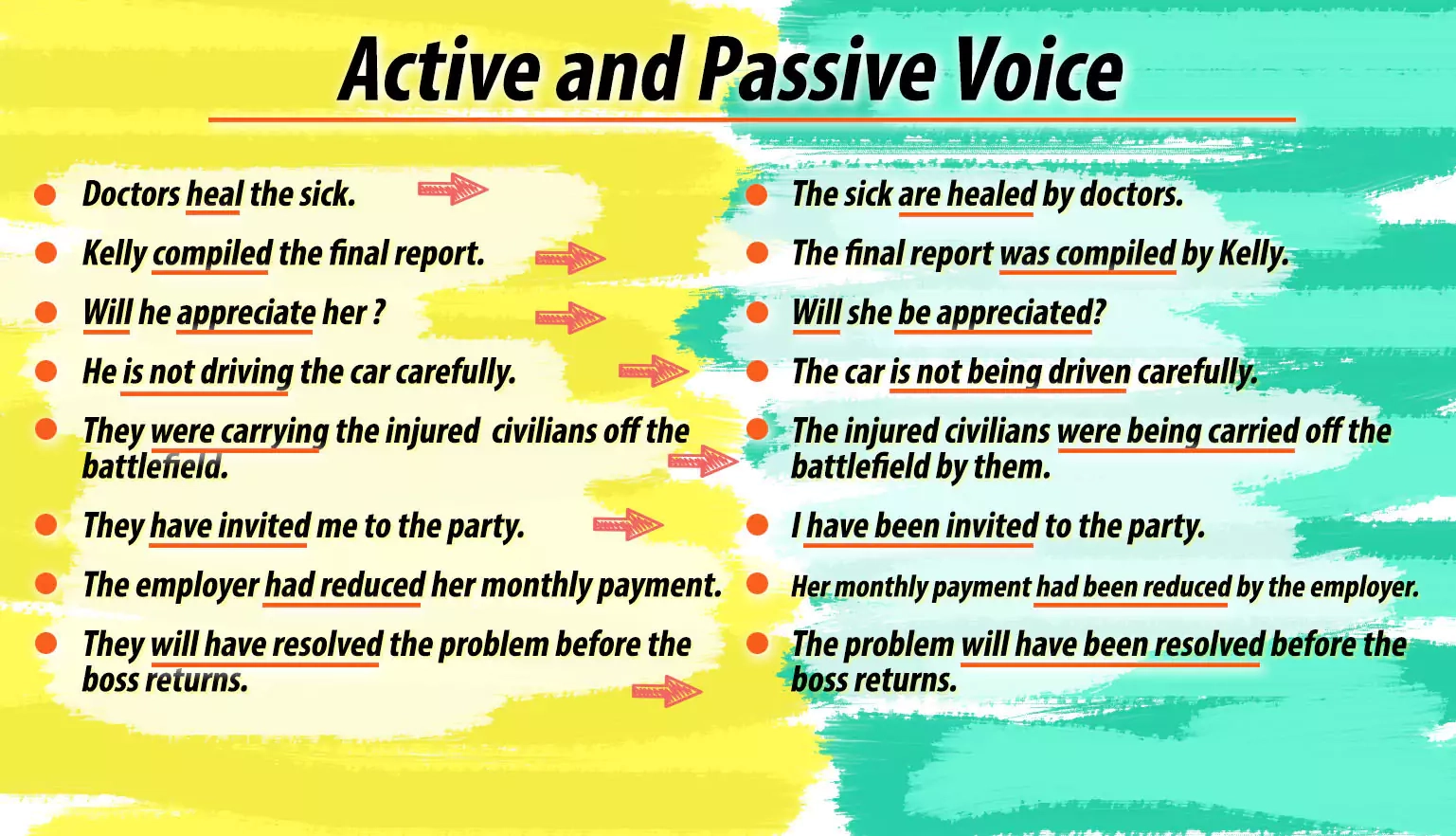
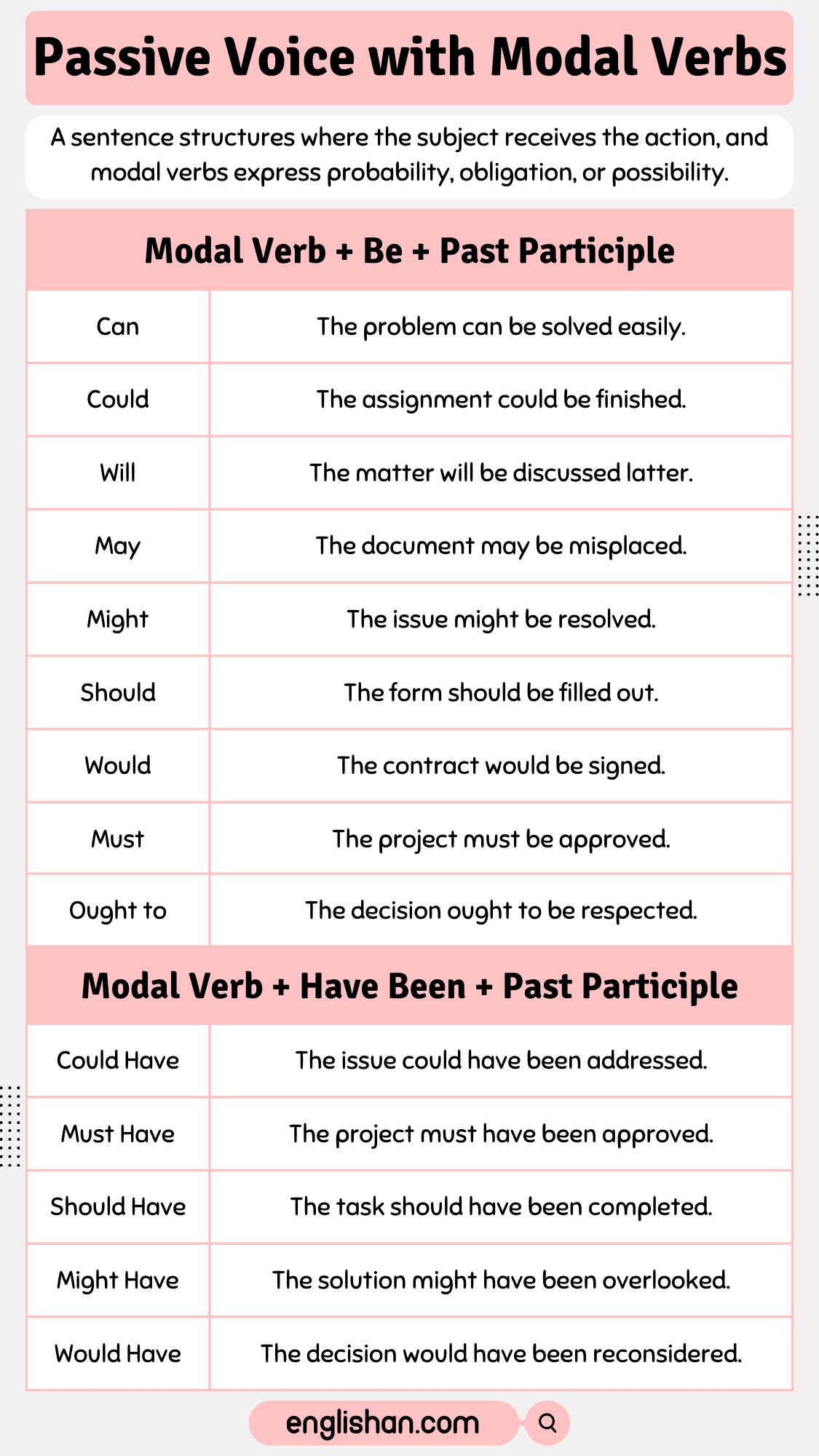
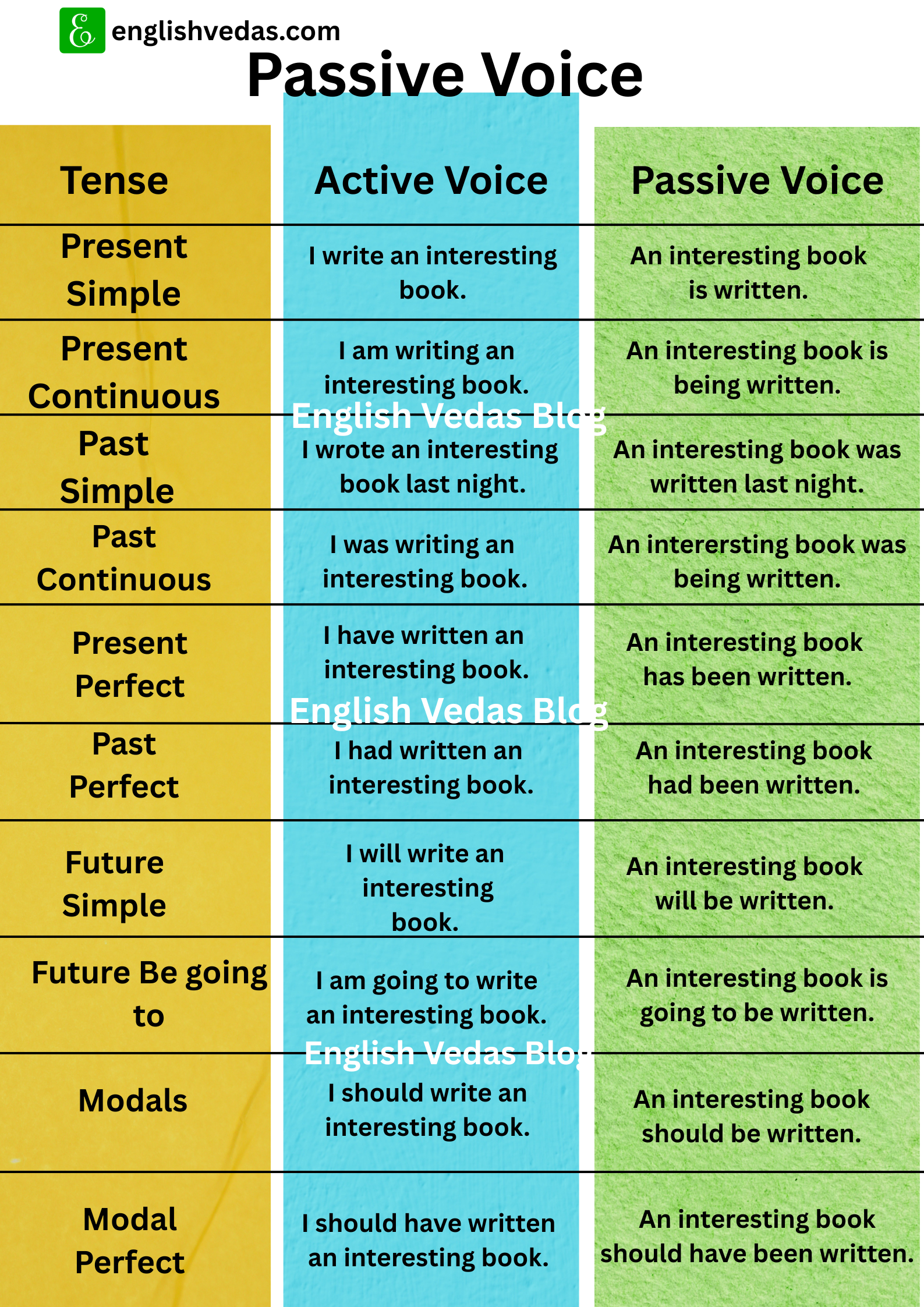
In passive constructions, the verb form changes to accommodate the subject receiving the action. This transformation often involves auxiliary verbs and past participles. Understanding which verbs can effectively be used in passive voice is essential for anyone looking to improve their writing skills. In this article, we will explore common verbs suitable for passive voice and how they can be applied in different contexts.
Verbs for Passive Voice
Many verbs can be utilized in passive voice constructions. Some of the most commonly used verbs include:
- Be: This verb is essential as it serves as an auxiliary verb in forming passive structures. For example, “The book was read by many students.”
- Have: Often used to indicate possession or experience, it can also be adapted for passive voice. For instance, “The project was had by the team.”
- Make: This verb indicates creation or causation and can be effectively used in passive forms. An example would be, “The cake was made by my mother.”
- Give: This verb denotes transfer and can also appear in passive constructions. For example, “A gift was given to her by her friend.”
- Show: Used to indicate demonstration or presentation, it can be transformed into passive voice as well. For instance, “The results were shown at the conference.”
When constructing sentences in passive voice, it is important to remember that the focus should remain on the action and its recipient rather than the doer. This shift allows for a more objective tone, which is often preferred in formal writing. Additionally, using verbs that naturally lend themselves to passive constructions can enhance readability and comprehension.
In summary, understanding how to use verbs in passive voice is vital for effective communication. By incorporating appropriate verbs such as “be,” “have,” “make,” “give,” and “show,” writers can create clear and impactful sentences that emphasize actions over subjects. Mastering this aspect of grammar will undoubtedly improve one’s writing style and versatility.
Download and Print verbs for passive voice Listed below