Grammar plays a crucial role in the way we communicate, and understanding different tenses is essential for effective communication. One of the tenses that often confuses English learners is the past perfect tense. By mastering this tense, you can accurately convey actions that occurred before another past action.
Learning about the past perfect tense can help you express yourself more clearly and accurately in your writing and speaking. In this article, we will explore 100 examples of the past perfect tense to help you understand how and when to use it.
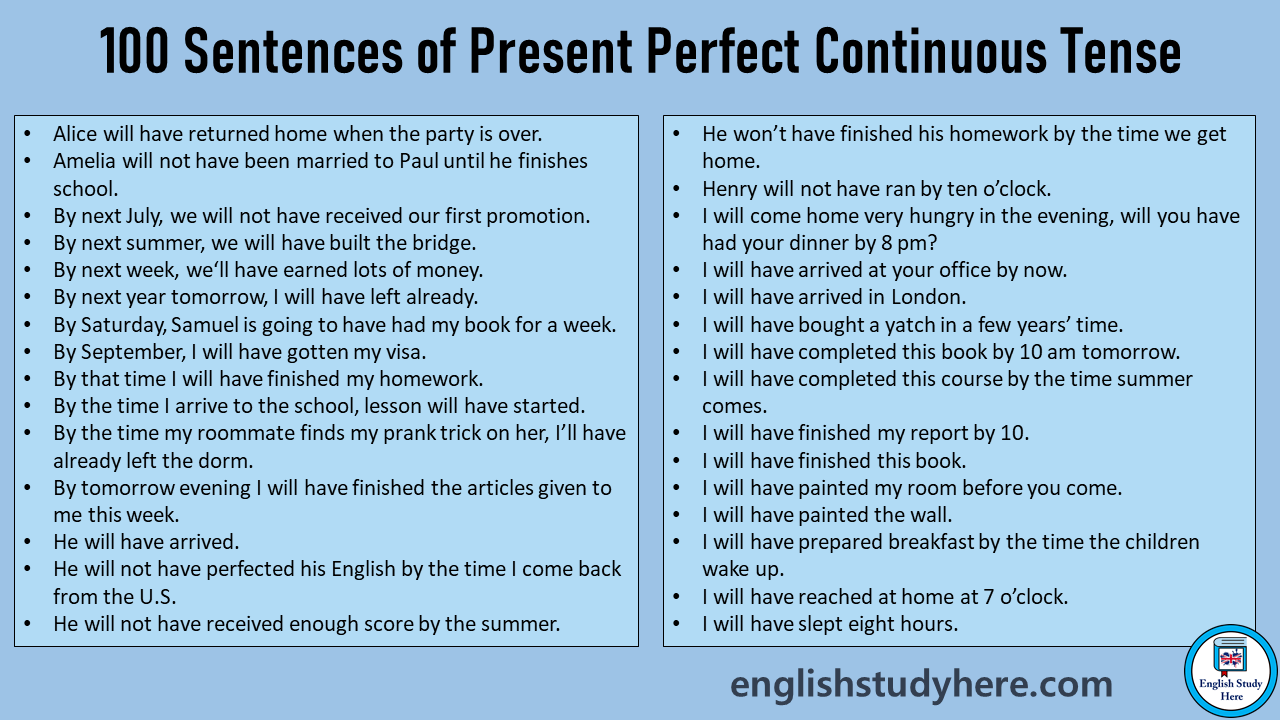
Past Perfect Tense: 100 Examples
1. I had finished my homework before I went to bed.
2. She had already left when I arrived at the party.
3. They had eaten dinner before the movie started.
4. He had never traveled outside the country until last year.
5. By the time I woke up, he had already left for work.
6. Had you ever seen that movie before last night?
7. The train had left the station before we arrived.
8. She had studied for the exam for weeks before she took it.
9. They had never met each other until that day.
10. Had he finished his presentation before the meeting?
11. I had lost my keys before I found them in my bag.
12. The children had already eaten dinner before their parents came home.
13. Had you heard the news before I told you?
14. By the time we got to the beach, the sun had already set.
15. She had read the book before she watched the movie adaptation.
16. They had lived in that house for years before they decided to move.
17. Had you ever been to that restaurant before last night?
18. He had finished his work before the deadline.
19. They had never experienced such a storm until that night.
20. By the time she arrived at the party, everyone had already left.
Mastering the past perfect tense can greatly enhance your language skills and help you express yourself more clearly in various situations. By practicing with these 100 examples and understanding the rules of the past perfect tense, you can become more confident in using this tense correctly in your writing and conversations.