Understanding grammar can be a daunting task, especially when it comes to tenses. One such tense that often confuses people is the past perfect tense. However, once you grasp its usage and structure, you will find that it can greatly enhance your writing and communication skills.
The past perfect tense is used to indicate an action that was completed before another action took place in the past. It helps to establish a clear sequence of events and is often used in storytelling or when describing past experiences. By mastering the past perfect tense, you can add depth and clarity to your writing.
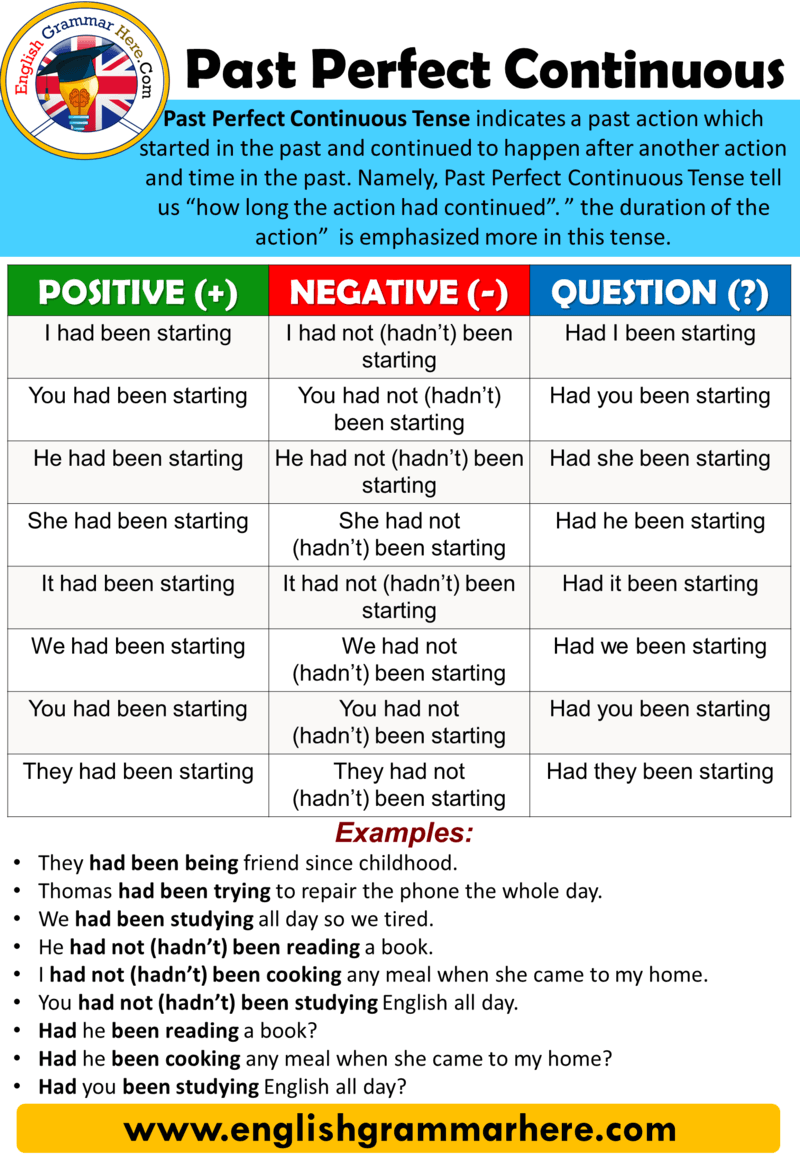
Past Perfect Tense When to Use
One common use of the past perfect tense is to show that one action happened before another action in the past. For example, “By the time we arrived at the party, the cake had already been eaten.” In this sentence, the action of eating the cake (past perfect) occurred before the action of arriving at the party (simple past).
Another instance where the past perfect tense is appropriate is when recounting events in a specific order. For instance, “She had studied for hours before taking the exam.” Here, the studying (past perfect) happened before the exam (simple past).
Additionally, the past perfect tense can be used to express a hypothetical situation in the past. For example, “If I had known you were coming, I would have baked a cake.” In this sentence, the speaker is imagining a different outcome in the past based on a different action (baking a cake) that could have happened.
Furthermore, the past perfect tense is commonly used in reported speech to convey what someone said or thought in the past. For instance, “She told me that she had already seen the movie.” Here, the action of seeing the movie (past perfect) is reported by someone in the past.
In conclusion, mastering the past perfect tense can greatly enhance your writing and communication skills. By understanding when to use it and practicing its structure, you can effectively convey past events and sequences in a clear and concise manner. So, next time you sit down to write, consider incorporating the past perfect tense to add depth and complexity to your storytelling.