The past perfect tense is a verb tense used to indicate an action that was completed before another past action. It is essential in English grammar as it helps to clarify the sequence of events in the past. By using the past perfect tense correctly, you can convey the order of actions and events more effectively.
The past perfect tense is formed by using the past tense of “to have” (had) followed by the past participle of the main verb. Here are some examples:
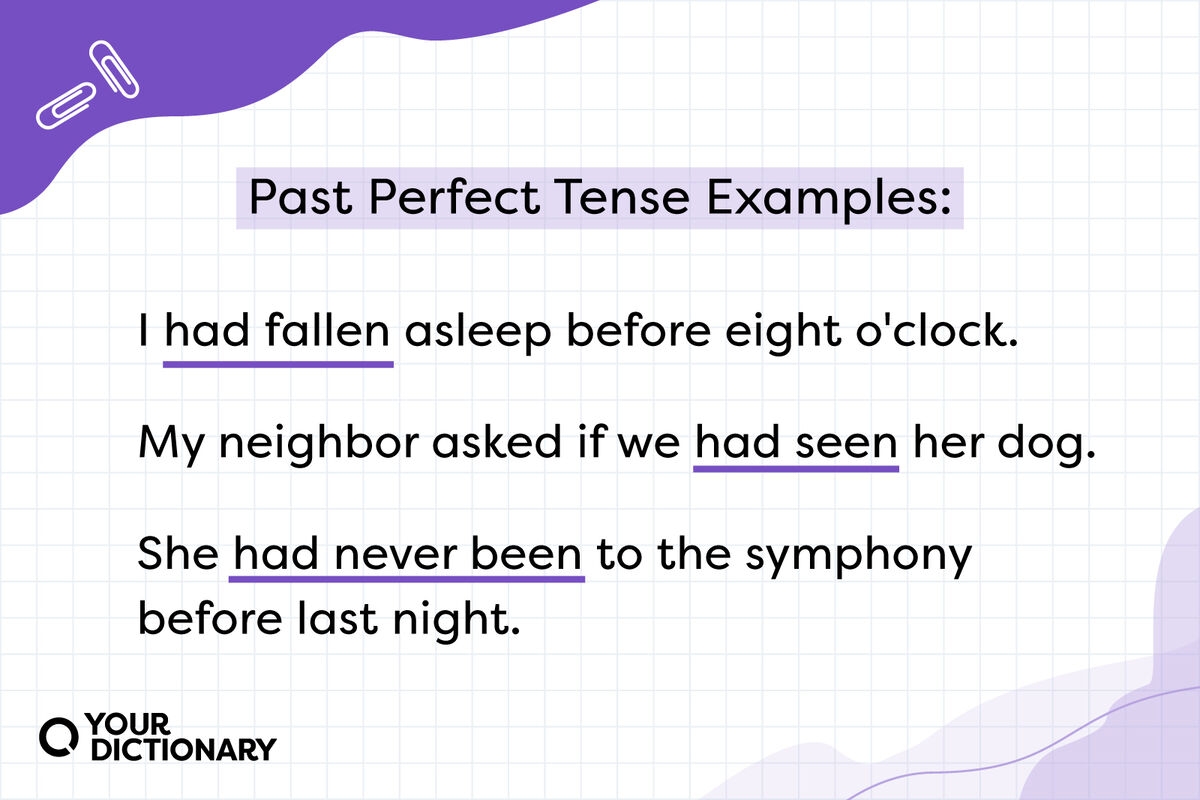
- I had finished my homework before I went to bed.
- She had already left when I arrived at the party.
- They had eaten dinner before the movie started.
As you can see from the examples above, the past perfect tense is used to show that one action was completed before another action took place. It helps to provide a clear timeline of events in the past.
It is important to note that the past perfect tense is often used in conjunction with other past tenses, such as the simple past tense. This combination helps to create a more detailed and coherent narrative of past events.
Furthermore, the past perfect tense is commonly used in reported speech or indirect speech to indicate that the reported action occurred before the reporting verb. For example:
He told me that he had already seen the movie.
By using the past perfect tense in reported speech, you can accurately convey the sequence of events as they were originally spoken.
Closing Thoughts
In conclusion, the past perfect tense is a valuable tool in English grammar for indicating the order of events in the past. By mastering the use of this tense, you can enhance the clarity and cohesiveness of your writing and communication. Practice using the past perfect tense in your sentences to improve your language skills and effectively convey the sequence of past actions.