When it comes to discussing past events in English grammar, two tenses often cause confusion – the past perfect and simple past. Understanding the difference between these two tenses is crucial for effective communication and clear storytelling.
Both tenses are used to talk about actions or events that happened in the past, but they are used in different contexts and convey slightly different meanings. Let’s delve deeper into the distinction between past perfect and simple past.
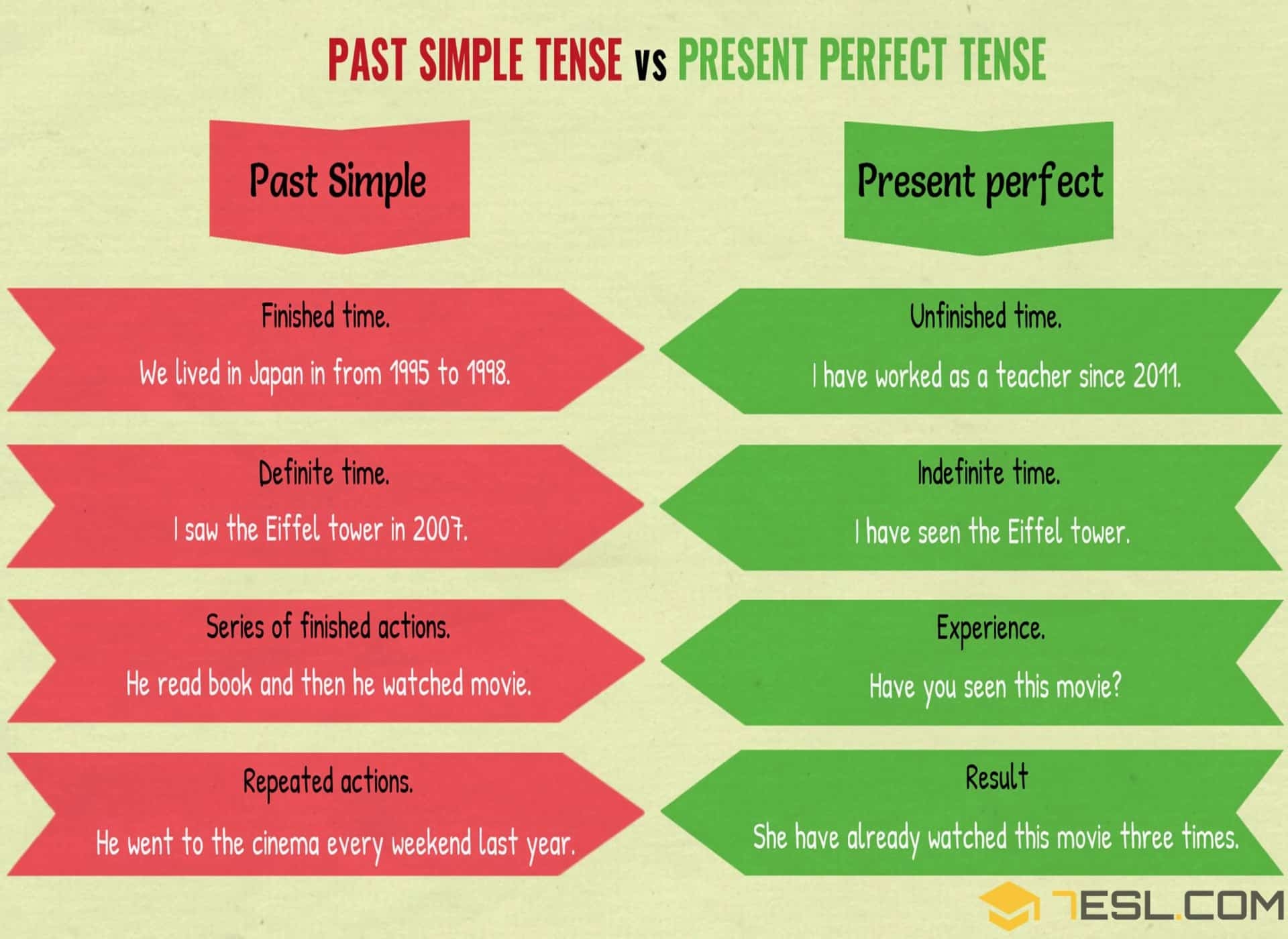
Past Perfect vs Simple Past
The simple past tense is used to describe actions that were completed at a specific point in the past. It is formed by adding ‘-ed’ to regular verbs or using the irregular form for irregular verbs. For example, “I walked to the store yesterday.”
On the other hand, the past perfect tense is used to indicate an action that happened before another action in the past. It is formed by using ‘had’ + the past participle of the verb. For example, “By the time I arrived, they had already eaten dinner.”
Using the past perfect tense helps to establish a clear sequence of events in a narrative and show which action occurred first. It adds a layer of depth to the storytelling and provides context for the reader or listener.
While the simple past tense is more straightforward and commonly used in everyday conversations to talk about past events, the past perfect tense is essential for indicating the order of events or emphasizing the completion of an action before another. Both tenses have their unique roles in English grammar and serve different purposes.
In conclusion, mastering the distinction between past perfect and simple past is crucial for effective communication in English. By understanding when to use each tense and how they contribute to the clarity and coherence of a narrative, you can enhance your language skills and convey your ideas more effectively.