Understanding the different tenses in English grammar is essential for clear and effective communication. Two of the most commonly used tenses are present tense and perfect tense. These tenses play a crucial role in conveying the timing of actions or events in a sentence.
While present tense is used to describe actions that are happening now or habitual actions, perfect tense is used to indicate actions that have been completed or happened at a specific point in the past. It’s important to distinguish between these two tenses to ensure clarity and accuracy in your writing.
Present and Perfect Tense
Present tense is used to describe actions that are currently happening or habitual actions. For example, “She eats breakfast every morning” or “I am writing an article.” This tense is straightforward and easy to identify, as it typically includes words like “is,” “am,” “are,” “eat,” “write,” etc.
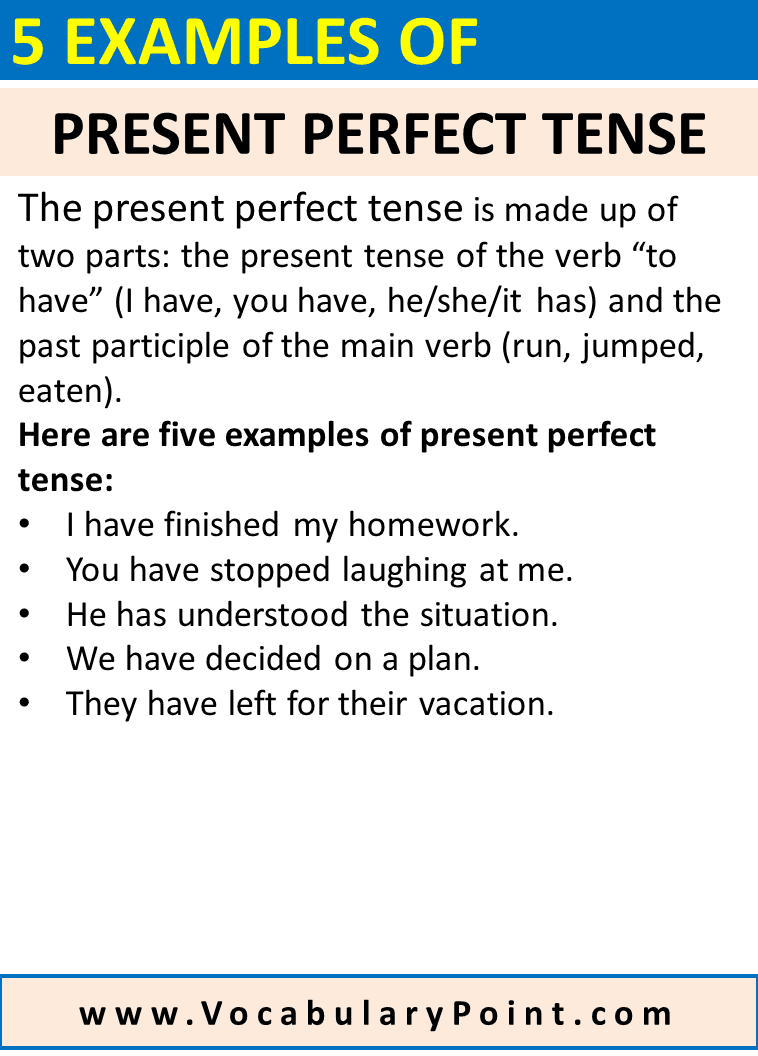
On the other hand, perfect tense is used to indicate actions that have been completed or happened at a specific point in the past. There are three main types of perfect tense: present perfect, past perfect, and future perfect. For example, “She has already finished her homework” (present perfect), “He had already left when I arrived” (past perfect), and “They will have completed the project by next week” (future perfect).
It’s important to pay attention to the auxiliary verbs used in perfect tense, such as “has,” “have,” “had,” or “will have,” as they indicate the completion or timing of the action. By mastering the usage of present and perfect tense, you can effectively convey the timing and completion of actions in your writing.
Overall, understanding the nuances of present and perfect tense can greatly enhance your writing skills and improve the clarity of your communication. By practicing and familiarizing yourself with the rules and usage of these tenses, you can become a more proficient and confident writer. So next time you sit down to write, remember to pay attention to the timing and completion of actions to ensure your message is conveyed accurately.
In conclusion, mastering present and perfect tense is essential for clear and effective communication in English. By understanding the differences between these two tenses and practicing their usage, you can elevate your writing skills and convey your ideas with precision. So keep practicing and honing your grammar skills to become a proficient writer.