Colors flashcards are a great tool for teaching children about different colors in a fun and interactive way. They are often used in classrooms, homeschooling, and by parents to help children learn and recognize various colors.
These flashcards typically feature a color on one side and the name of the color on the other side. They can also include pictures of objects in that color to help children make associations between the color and real-life objects.
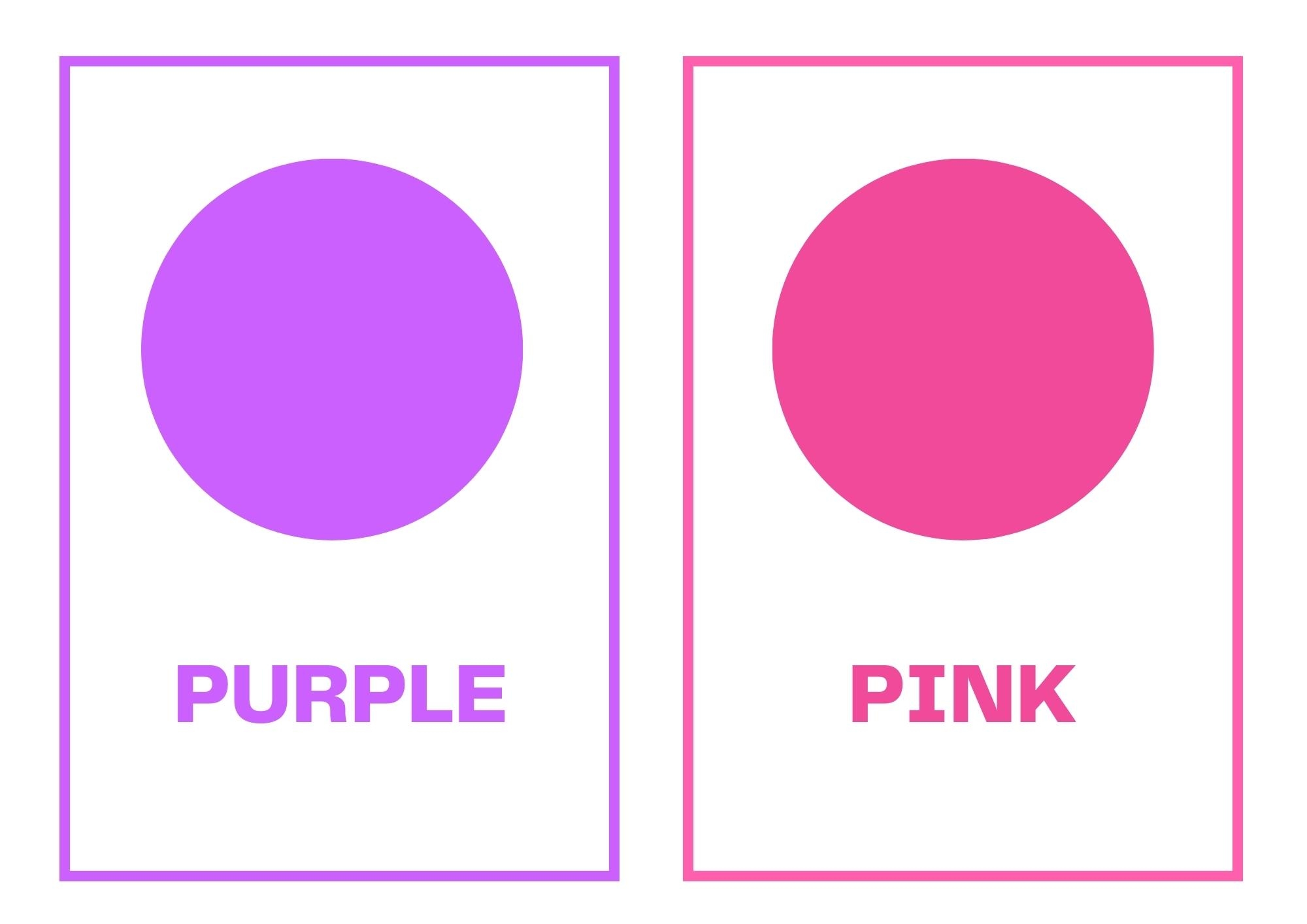
Using colors flashcards can help children improve their color recognition skills, expand their vocabulary, and enhance their memory retention. They are a versatile learning resource that can be used in a variety of ways to engage children in the learning process.
One popular method of using colors flashcards is to play games with them. For example, a parent or teacher can show a flashcard to a child and ask them to name the color. This can help reinforce the child’s understanding of different colors and improve their ability to recall them quickly.
Another way to use colors flashcards is to incorporate them into arts and crafts activities. Children can use the flashcards as inspiration for creating colorful artworks using various materials like paint, crayons, or colored paper. This hands-on approach can make learning about colors more enjoyable and memorable for children.
Colors flashcards can also be used to teach children about color mixing. By showing them flashcards of primary colors like red, blue, and yellow, and then combining them to create secondary colors like purple, green, and orange, children can learn about the color wheel and how different colors are created.
In conclusion, colors flashcards are a valuable educational tool for teaching children about colors in a fun and engaging way. Whether used in classrooms, at home, or during playtime, these flashcards can help children develop important skills such as color recognition, vocabulary building, and creativity. Incorporating colors flashcards into a child’s learning routine can have a positive impact on their overall development.