Understanding pronouns is essential in the English language as they replace nouns to make sentences less repetitive and more coherent. Pronouns can refer to people, places, things, or ideas without having to constantly repeat the noun.
There are different types of pronouns in English, each serving a specific purpose in a sentence. From personal pronouns to reflexive pronouns, understanding the various types can help improve your language skills and communication.
All Pronouns
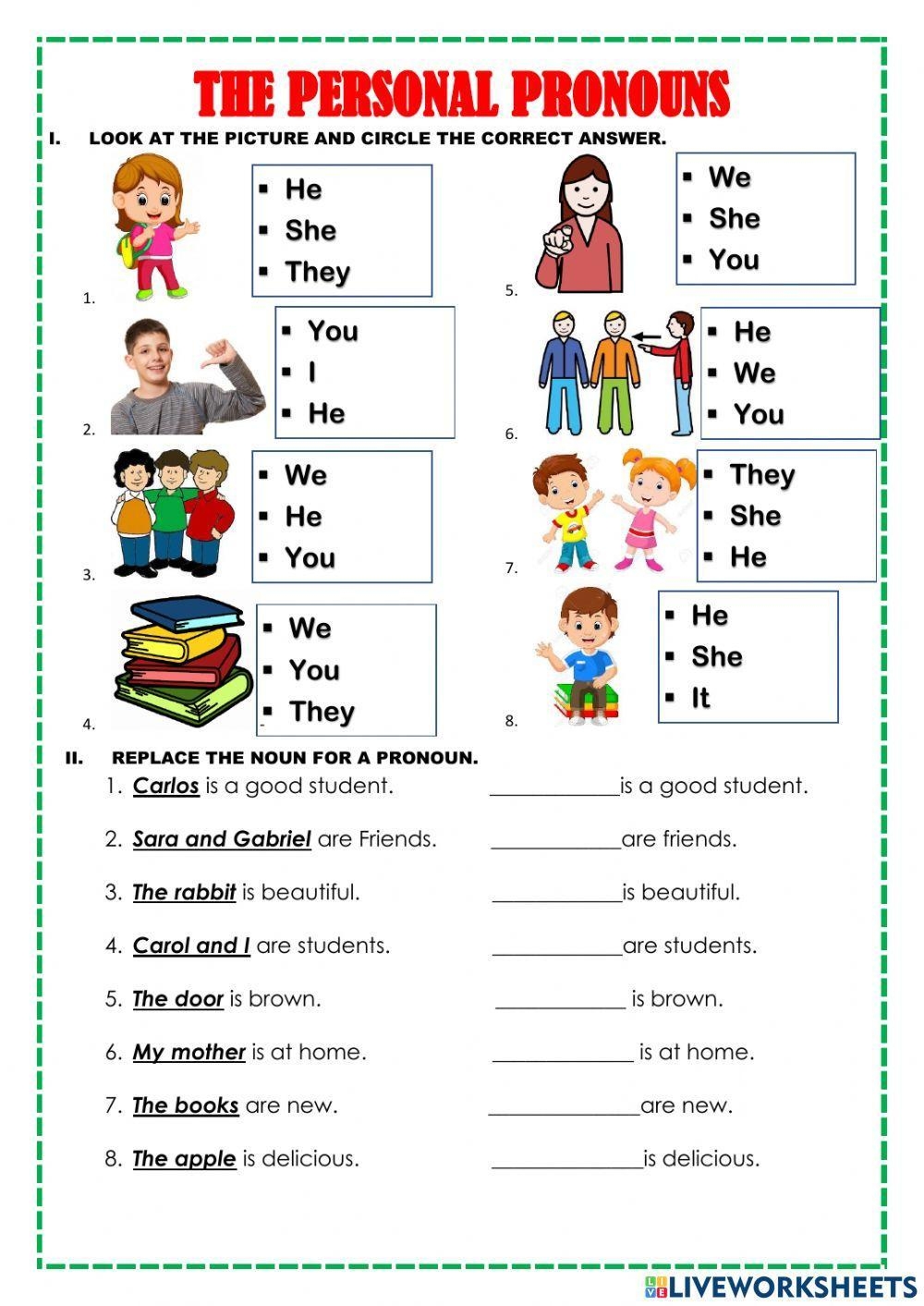
Personal pronouns are perhaps the most commonly used type of pronouns and are used to refer to specific people or things. They include pronouns such as I, you, he, she, it, we, and they. Personal pronouns can be singular or plural, depending on the number of individuals being referred to.
Demonstrative pronouns, such as this, that, these, and those, are used to point to specific people or things. These pronouns help clarify which person or object is being referenced in a sentence and make communication more precise.
Relative pronouns, including who, whom, whose, which, and that, are used to link clauses or phrases in a sentence. They introduce relative clauses that provide additional information about a noun or pronoun in the sentence.
Indefinite pronouns, like anyone, everyone, nobody, and something, do not refer to specific people or things. Instead, they refer to non-specific individuals or objects and are used when the exact identity of the subject is unknown or irrelevant.
Reflexive pronouns, such as myself, yourself, himself, herself, itself, ourselves, and themselves, are used when the subject and object of a sentence are the same. These pronouns reflect back to the subject and are essential for indicating actions that individuals do to themselves.
In conclusion, pronouns play a crucial role in the English language by replacing nouns and making sentences more concise and clear. By understanding the different types of pronouns, you can enhance your communication skills and improve your writing. Practice using pronouns in various contexts to become more proficient in their usage and expand your language capabilities.